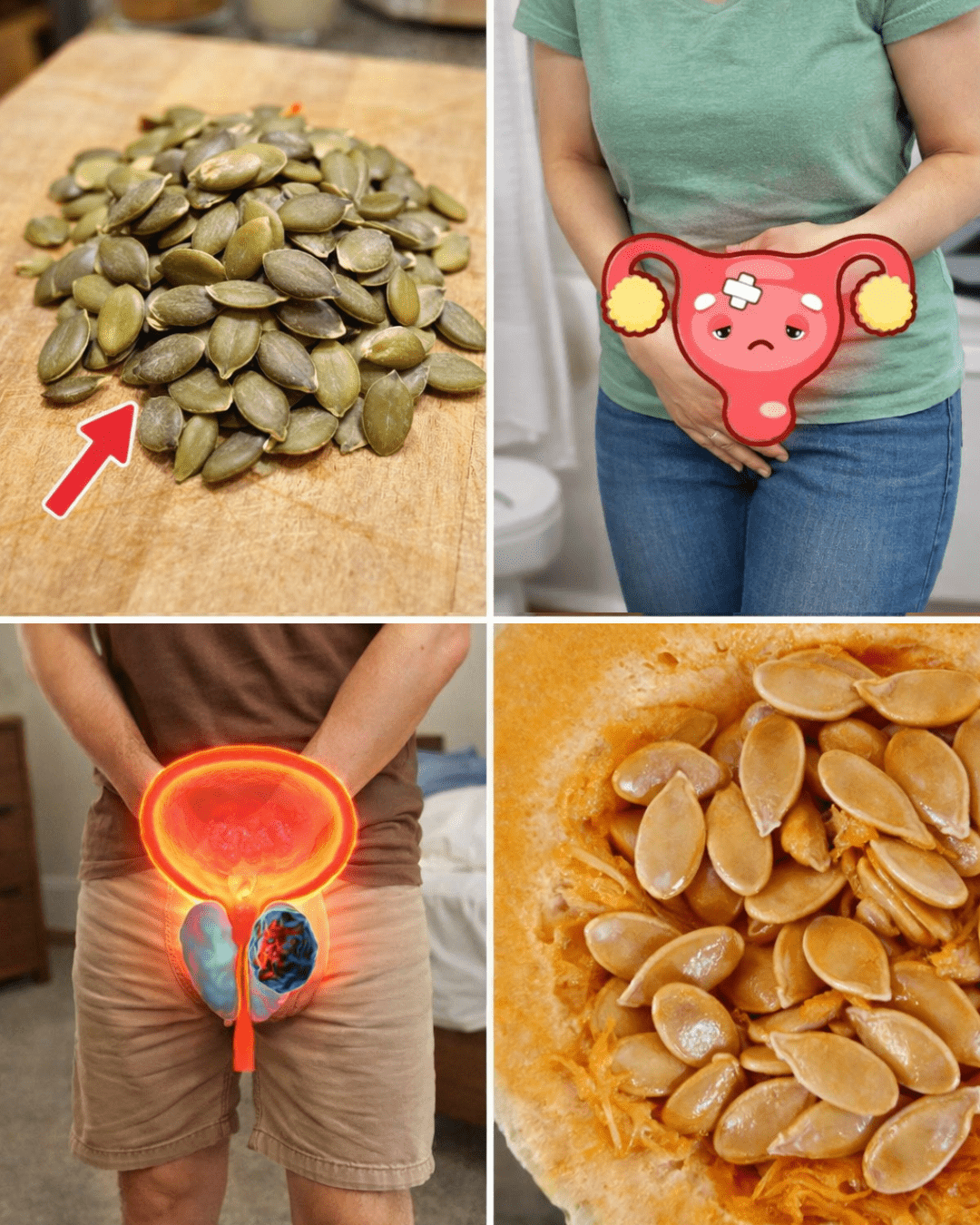
Many men over 50 quietly deal with frustrating urinary issues—frequent trips to the bathroom, especially at night, a weak stream, or that sudden urgent need that disrupts daily life and sleep. These lower urinary tract symptoms often stem from an enlarged prostate (benign prostatic hyperplasia, or BPH) or an overactive bladder, leading to embarrassment, reduced quality of life, and constant discomfort. The search for gentle, natural options grows as conventional treatments sometimes bring unwanted side effects. Research suggests humble pumpkin seeds may offer supportive benefits for these concerns through their rich nutrient profile. But could something so simple really make a meaningful difference? Keep reading to discover what studies reveal—and a practical way to incorporate them that many men find surprisingly effective.
Why Pumpkin Seeds Support Urinary Health
Pumpkin seeds (from Cucurbita pepo) have been used traditionally for urinary and prostate concerns for centuries. Modern interest stems from their impressive nutritional content.
These tiny powerhouses are loaded with zinc, essential for normal prostate function, along with healthy fats (like omega-3s and omega-6s), antioxidants, phytosterols, and amino acids.
But that’s not all…
Phytosterols in pumpkin seeds may help influence hormone pathways related to prostate enlargement, while antioxidants combat oxidative stress that contributes to inflammation in the urinary system.
Studies indicate these compounds could play a role in easing symptoms without aggressive intervention.
Evidence from Research on Prostate Health
Several clinical trials have explored pumpkin seeds and their extracts for men with BPH-related lower urinary tract symptoms (LUTS).
In the GRANU study, a large randomized, placebo-controlled trial involving over 1,400 men, daily pumpkin seeds (5g twice daily) led to a clinically relevant improvement in International Prostate Symptom Score (IPSS) after 12 months compared to placebo. More men in the pumpkin seed group saw meaningful symptom relief.
Another trial compared pumpkin seed oil to tamsulosin (a common BPH medication). While tamsulosin provided stronger relief, pumpkin seed oil still reduced symptoms with no reported side effects.
Animal and lab studies support this by showing pumpkin seed oil may inhibit prostate cell overgrowth and reduce inflammation.
Meta-analyses of long-term trials reinforce that pumpkin seed extracts can support symptom management in mild-to-moderate cases.
These findings highlight pumpkin seeds as a well-tolerated option worth considering alongside lifestyle changes.
How Pumpkin Seeds May Help Bladder Function
Beyond the prostate, pumpkin seeds show promise for bladder-specific issues like overactive bladder (OAB), characterized by urgency, frequency, and nocturia.
A study on pumpkin seed oil from Cucurbita maxima found significant improvements in OAB symptoms after 12 weeks, including reduced urgency and nighttime trips.
The mechanism may involve relaxation of bladder muscles (possibly via nitric oxide support from arginine in the seeds) and strengthening pelvic floor support through phytoestrogens and nutrient effects.
Research combining pumpkin seed extract with other botanicals has also noted better bladder control and fewer leaks in some participants.
While more large-scale studies are needed, early evidence suggests pumpkin seeds could gently support bladder muscle tone and reduce irritating urges.
Key Nutrients in Pumpkin Seeds That Make a Difference
Here’s a quick look at why these seeds stand out:
Zinc — High concentration supports prostate tissue health and hormone balance.
Phytosterols — Plant compounds that may help modulate DHT (a hormone linked to prostate growth).
Antioxidants and healthy fats — Combat inflammation and support overall urinary tract wellness.
Magnesium and potassium — Aid muscle relaxation, including in the bladder.
A handful provides a nutrient boost hard to match in many snacks.
Practical Ways to Add Pumpkin Seeds to Your Routine
Ready to try? Here are simple, evidence-inspired ways to incorporate them:
Eat them raw or lightly roasted — Aim for 1-2 tablespoons (about a small handful) daily. Unsalted is best to avoid excess sodium.
Try pumpkin seed tea — Crush 1-2 tablespoons of seeds, steep in hot water for 10-15 minutes, strain, and sip 1-2 cups daily.
Use pumpkin seed oil — Take 1 teaspoon of cold-pressed oil daily (or drizzle on salads). Studies often use 320-1000mg equivalents.
Sprinkle on meals — Add to yogurt, oatmeal, salads, or soups for easy integration.
Start with a consistent daily amount and track how you feel over 4-12 weeks, as benefits in studies appeared gradually.
Extra Tips to Maximize Support for Bladder and Prostate
Combine pumpkin seeds with these habits for better results:
Drink plenty of water throughout the day (but taper off in the evening to reduce nighttime urges).
Limit bladder irritants like caffeine, alcohol, and spicy foods.
Include other supportive foods: tomatoes (for lycopene), green tea (antioxidants), and berries.
Stay active with pelvic floor exercises (Kegels) to strengthen supporting muscles.
Maintain a healthy weight, as excess abdominal fat can pressure the bladder and prostate.
Small, sustainable changes often yield the biggest improvements.
Frequently Asked Questions
How long does it take to notice benefits from pumpkin seeds? Many studies show improvements in urinary symptoms within 6-12 weeks of consistent use, though individual results vary based on severity and lifestyle.
Are pumpkin seeds safe for everyone? They are generally well-tolerated, but those with allergies to seeds or digestive sensitivities should start small. No major side effects appeared in trials.
Can pumpkin seeds replace medication for BPH or OAB? No—they may support symptoms as a complementary approach, but consult a doctor before changing any prescribed treatment.
Final Thoughts
Pumpkin seeds offer a simple, nutrient-dense way to support prostate and bladder health naturally. Backed by clinical evidence showing symptom relief in BPH and OAB, they’re an accessible addition to daily routines. Many men find relief and better quality of life with this humble food—no fancy gadgets required.
This is not medical advice and does not replace professional care. Always consult your healthcare provider before starting new supplements, especially if you have existing conditions or take medications.
 By admin