 By admin
 Apricot Kernels and Cancer: Separating Fact from Fiction – A Science-Based Guide to Claims, Risks, and Informed Health Choices
A cancer diagnosis can be profoundly unsettling, and it’s entirely natural to seek comfort and hope wherever it might be found. When conventional medical pathways feel overwhelming, the allure of “natural answers” promoted through headlines and viral social media images can appear incredibly reassuring, even empowering. However, it is precisely this emotional vulnerability that often becomes fertile ground for misinformation to flourish.
This article aims to provide a calm, evidence-based examination of the persistent claims surrounding apricot kernels and their alleged role in cancer treatment. We will delve into why these ideas continue to resurface and unveil a crucial, often overlooked truth that many people—especially online—rarely encounter.
What Are Apricot Kernels and Why Are They So Popular Online?
Apricot kernels, sometimes referred to as apricot seeds, are the small, almond-shaped pits located within the hard shell of an apricot stone. For many decades, these kernels have been widely promoted within certain alternative health communities as a “natural” remedy for various severe illnesses, most notably cancer. Yet, the story behind their popularity is more intricate than it first appears.
The Origin of the Claim
The widespread belief in apricot kernels’ efficacy is fundamentally linked to a naturally occurring compound they contain called amygdalin. In the 1950s, a partially synthetic derivative of amygdalin began to be marketed under the name laetrile. Later, this substance was misleadingly rebranded as “Vitamin B17” – despite having no resemblance to a true vitamin. This strategic rebranding played a significant psychological role. The term “vitamin” inherently suggests health benefits, safety, and preventative qualities, thereby lending an undeserved air of credibility to the claims at first glance. But there’s more to this narrative.
Why the “Natural Cure” Narrative Is So Persuasive
It’s important to understand that these claims don’t gain traction because individuals are gullible. Rather, they resonate deeply because they tap into very real human fears and frustrations, particularly concerning serious health challenges like cancer.
Common Reasons People Believe These Claims
- A profound desire for a sense of control amidst a frightening diagnosis.
- Distrust or disillusionment with conventional pharmaceutical treatments or established medical systems.
- The compelling nature of personal anecdotes shared online, which often feel more relatable and authentic than abstract clinical data.
- The deeply ingrained assumption that anything labeled “natural” must inherently be “safe” and beneficial.
However, it is paramount to recognize this crucial distinction: strong emotional appeal does not equate to sound scientific evidence.
What Research Actually Shows About Amygdalin
When discussing health interventions, objective facts are indispensable. Let’s examine the scientific understanding of amygdalin’s effects.
How Amygdalin Behaves in the Body
Upon consumption, amygdalin undergoes a metabolic process within the body, during which it can be converted into hydrogen cyanide – a notoriously toxic substance. Cyanide directly interferes with the body’s fundamental ability to utilize oxygen at a cellular level, disrupting vital metabolic processes. Crucially, scientific research has consistently demonstrated that this conversion process does not selectively target or harm cancerous cells. Instead, it poses a generalized risk, exposing the entire body to its hazardous effects. This leads us to a critical piece of information frequently omitted from online discussions.
Documented Safety Concerns You Should Know
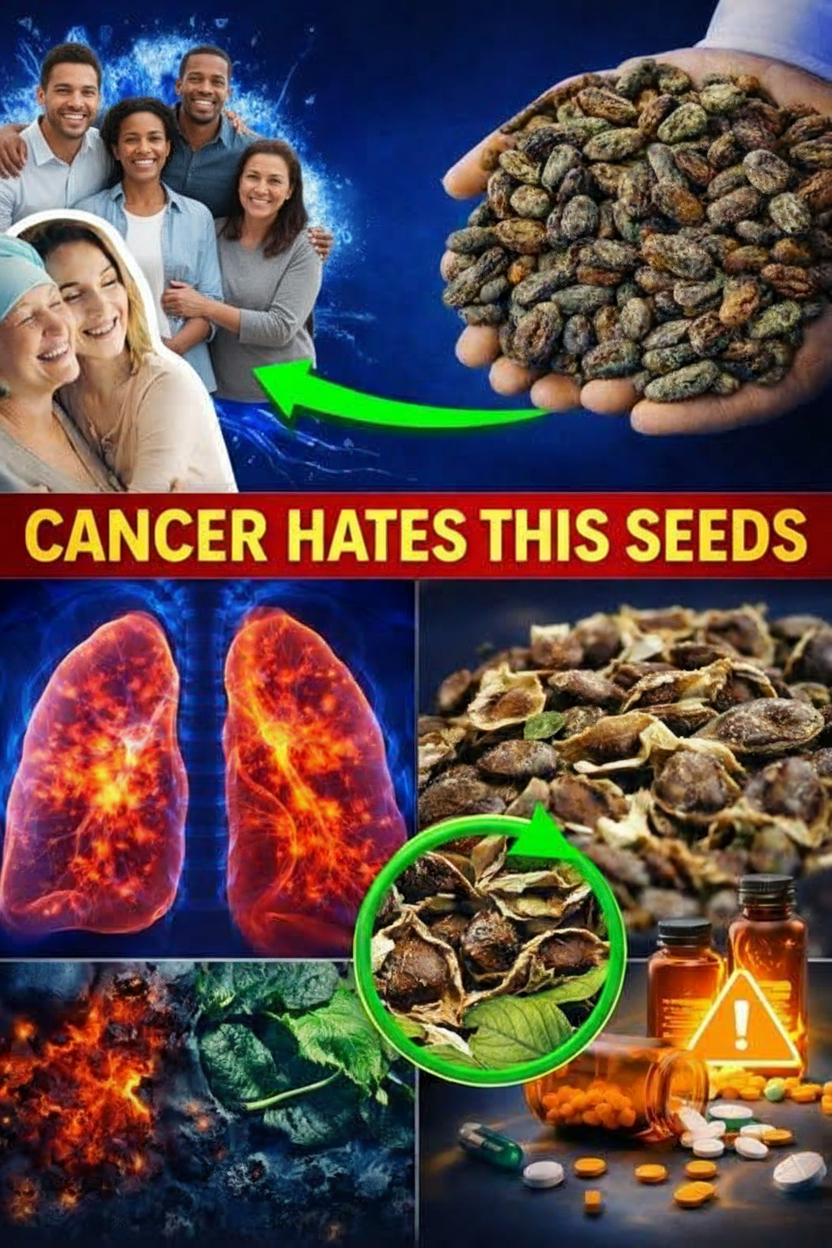
Numerous health authorities globally have issued explicit warnings regarding the consumption of apricot kernels due to significant safety risks associated with them.
Reported Effects Linked to Apricot Kernel Consumption
- Gastrointestinal distress, including nausea and vomiting.
- Neurological symptoms such as headaches and dizziness.
- Stress on the liver, potentially leading to damage.
- Impaired oxygen delivery to various bodily tissues.
- In severe instances, acute cyanide toxicity, which can be life-threatening.
It is particularly important to note that children, pregnant individuals, and those with pre-existing health conditions may be especially vulnerable to these adverse effects. But the concerns don’t end there.
Why These Claims Persist Despite Warnings
Given the well-documented risks, one might wonder why myths surrounding apricot kernels continue to resurface and gain traction. The answer often lies in the dynamics of modern information sharing.
The Role of Social Media and Visual Misinformation
Online images and posts, like those frequently encountered, are expertly crafted to elicit powerful emotional responses. Vibrant colors, dramatic arrows, and alarming, attention-grabbing phrases such as “cancer hates this” are designed to bypass rational thought, appealing directly to deep-seated fears and desperate hopes. This effect is compounded by several other factors:
- Social media algorithms are engineered to prioritize engagement and virality, not factual accuracy.
- The proliferation of “influencers” who lack any medical training but command large audiences.
- Anecdotal stories and personal testimonies are often presented as irrefutable proof, overshadowing rigorous scientific evidence.
Consequently, misinformation can travel far more rapidly and widely than verified facts.
What Trusted Health Organizations Say
Leading medical and public health organizations worldwide have consistently affirmed that there is no reliable scientific evidence to support the use of apricot kernels as an effective treatment or preventative measure for cancer. Instead, their recommendations consistently underscore the fundamental importance of:
- Early detection and timely diagnosis.
- Receiving evidence-based medical care tailored to individual needs.
- Adopting supportive lifestyle habits that contribute to overall well-being and health.
It is crucial to emphasize that none of these reputable organizations dismiss the value of sound nutrition or a healthy lifestyle. Their message simply reinforces that no single food, seed, or “natural remedy” can or should ever replace comprehensive, professionally guided medical care.
Actionable Tips: How to Evaluate Health Claims Online
You don’t need a medical degree to effectively safeguard yourself from misleading or potentially dangerous health content found online. Here’s a practical guide on how to approach similar health claims with greater caution and intelligence.
Step-by-Step Guide to Smarter Health Decisions
- Pause Before Sharing or Acting: A strong emotional reaction (fear, excitement, desperation) is often a red flag indicating that the content might be manipulative rather than purely informative. Take a moment to reflect before taking any action.
- Scrutinize the Language Used: Be wary of phrases like “doctors hate this,” “one secret solution,” “miracle cure,” or “big pharma doesn’t want you to know.” These are common hallmarks of misinformation designed to create distrust and promote unverified claims.
- Seek Out Credible Sources: Prioritize information that originates from well-respected, evidence-based organizations (e.g., national health institutes, established medical associations, reputable universities). Always look for content that transparently references scientific studies or peer-reviewed research.