 By admin
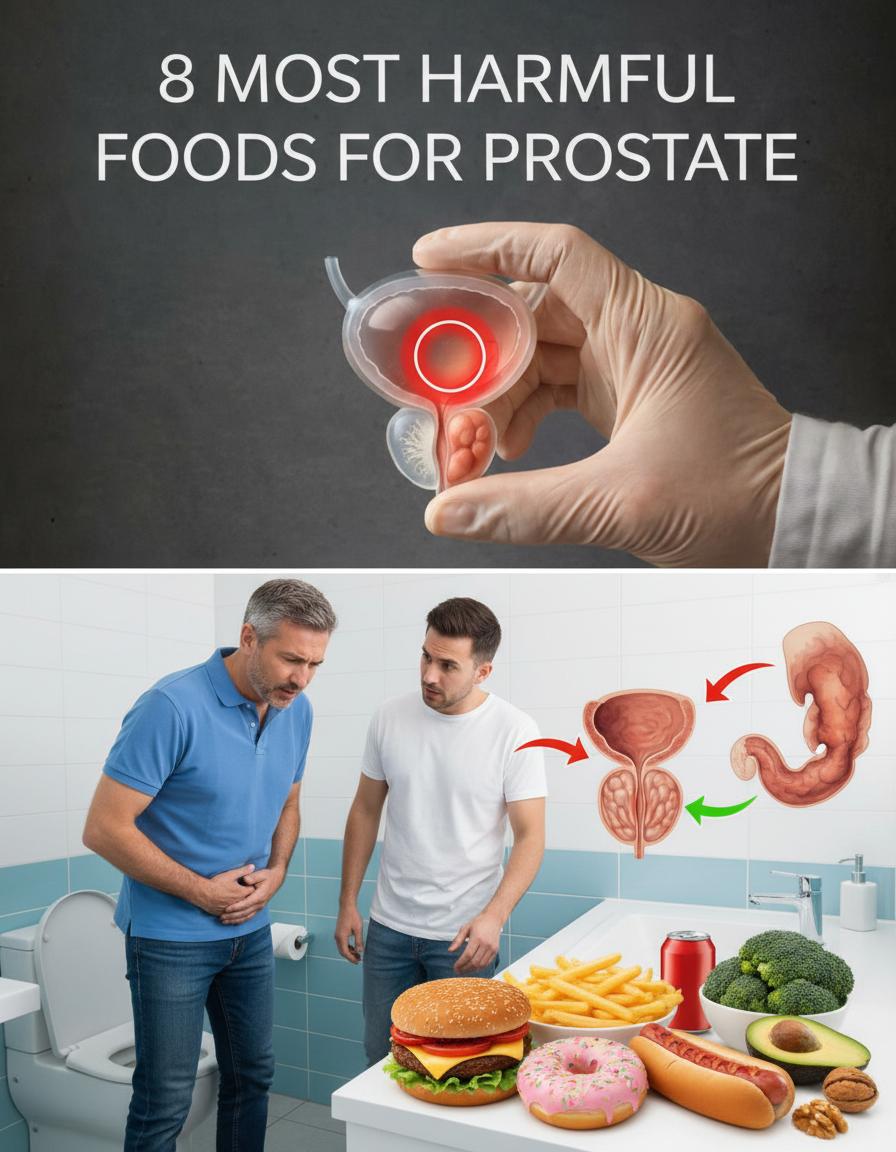
 8 Foods That May Harm Prostate Health (And Smarter Swaps to Consider)
As men navigate the aging process, concerns about prostate health frequently arise. Issues like altered urinary flow, increased nighttime bathroom visits, or general discomfort are often dismissed as mere aspects of getting older. However, research consistently highlights prostate cancer as one of the most commonly diagnosed cancers in men, and surprisingly, everyday dietary choices can significantly contribute to inflammation and other factors linked to prostate wellness challenges. Many men inadvertently incorporate these detrimental items into their daily routines, potentially compromising their long-term comfort and health. The encouraging news is that simple awareness and minor dietary adjustments can profoundly support prostate health.
The Growing Concern for Prostate Wellness in Men
Prostate issues, ranging from benign enlargement to inflammation, impact millions of men globally, particularly those beyond the age of 40 or 50. According to recent statistics from the American Cancer Society, prostate cancer remains a formidable health challenge, with projections indicating hundreds of thousands of new diagnoses annually and ongoing discussions surrounding the importance of early detection. Symptoms such as frequent urination or a weakened urinary stream can significantly disrupt daily life, sleep quality, and overall confidence. While unmodifiable factors like age and genetics undeniably play a role, a growing body of evidence points to dietary patterns as a crucial modifiable factor capable of influencing prostate inflammation and related risks. Studies suggest a strong correlation between diets rich in certain processed or animal-based foods and elevated markers of concern, whereas balanced nutritional approaches demonstrate potential protective benefits. Crucially, understanding which foods to limit paves the way for incorporating protective choices—such as an increased intake of vegetables, healthy fats, and adequate hydration—which many men find transformative for their energy levels and comfort.
1. Processed Meats (Bacon, Sausage, Deli Meats)
While that crispy strip of bacon or a convenient deli sandwich might seem appealing, frequent consumption of processed meats has consistently raised red flags in scientific research. Observational studies, including comprehensive reviews published in leading nutrition journals, link higher intake of these items to increased risks of prostate concerns. This is potentially due to the presence of nitrates, preservatives, and heme iron, which can promote oxidative stress and inflammation within the body. In a practical sense, many men who reduce their consumption often report noticing more consistent and comfortable urinary patterns over time. If processed meats are a staple in your weekly diet, prioritizing a swap here could be highly beneficial.
Smarter Alternative: Opt for lean grilled chicken, turkey, or embrace plant-based proteins like beans, lentils, or tofu.
2. Red Meat (Especially Grilled or Well-Done)
A perfectly grilled, juicy steak or burger is undeniably delicious, but cooking red meat at high temperatures generates compounds such as heterocyclic amines (HCAs). Some studies associate these compounds with cellular stress and damage in prostate tissue. Prospective research has particularly connected frequent consumption of charred or well-done red meat to elevated risks for prostate health issues. Here’s a valuable tip often overlooked: marinating your meat with antioxidant-rich herbs like rosemary before cooking can potentially reduce the formation of these harmful compounds significantly.
Smarter Alternative: Choose leaner cuts of meat and cook them at lower temperatures. Alternatively, shift your protein sources towards fish (especially fatty fish rich in omega-3s) and poultry.
3. Full-Fat Dairy (Cheese, Whole Milk, Ice Cream)
Creamy cheese, a generous splash of whole milk, or a scoop of ice cream might appear innocuous, perhaps even beneficial for calcium intake. However, meta-analyses published in clinical nutrition journals have observed concerning links between high consumption of full-fat dairy products and increased prostate cancer risks. This association is possibly tied to hormones like insulin-like growth factor 1 (IGF-1) and saturated fats, which can influence cellular activity and growth. Anecdotally, many men who transition away from full-fat dairy often report feeling lighter and experiencing overall improved well-being.
Smarter Alternative: Explore plant-based alternatives such as almond milk, oat milk, or soy milk. If dairy is still preferred, opt for low-fat varieties and consume them in moderation.
4. Fried Foods and Trans Fats
The satisfying crunch of fried chicken or the instant gratification of fast-food fries comes with a hidden cost. These foods frequently contain trans fats and oxidized oils that are notorious for fueling systemic inflammation throughout the body. Numerous studies have established a clear link between frequent fried food consumption and a spectrum of broader health concerns, including direct implications for prostate inflammation.
Smarter Alternative: Achieve that desired crispy texture by baking, air-frying, or grilling your food, effectively eliminating the unhealthy downsides of deep-frying.
5. Excessive Alcohol (Beer, Liquor, Wine)
While enjoying a beer or cocktail can be a relaxing ritual, heavy or excessive alcohol intake can lead to elevated estrogen levels and increased oxidative stress—both factors that some research links to higher risks for prostate health issues. Adopting a moderate approach to alcohol consumption (typically defined as one drink maximum per day for men) often correlates with improvements in bothersome symptoms like urinary urgency.
Smarter Alternative: Replace alcoholic beverages with refreshing options like sparkling water infused with lemon or cucumber, or unwind with a calming herbal tea.
6. Sugary Foods and Refined Carbs (Soda, Pastries, White Bread)
The quick sugar rush from a soda or a donut might provide temporary energy, but it causes a rapid spike in insulin levels, which over time can significantly contribute to chronic inflammation. Recent nutritional studies have specifically associated high intake of sugar-sweetened beverages with elevated concerns for prostate health. Making mindful choices in this category is crucial for long-term prostate wellness.
Smarter Alternative: Satisfy your sweet cravings naturally with fresh fruit, choose complex carbohydrates from whole grains, or hydrate with water infused with natural flavors to maintain steady energy and curb cravings effectively.