 By admin
 The conversation around statins—medications widely prescribed to manage cholesterol levels—often includes discussions about their potential connection to type 2 diabetes and other side effects. While some of these concerns are rooted in scientific evidence, others may be presented without adequate context or can be misleading. This article aims to provide a clear, evidence-based breakdown, drawing from credible sources, to help you understand the full picture.
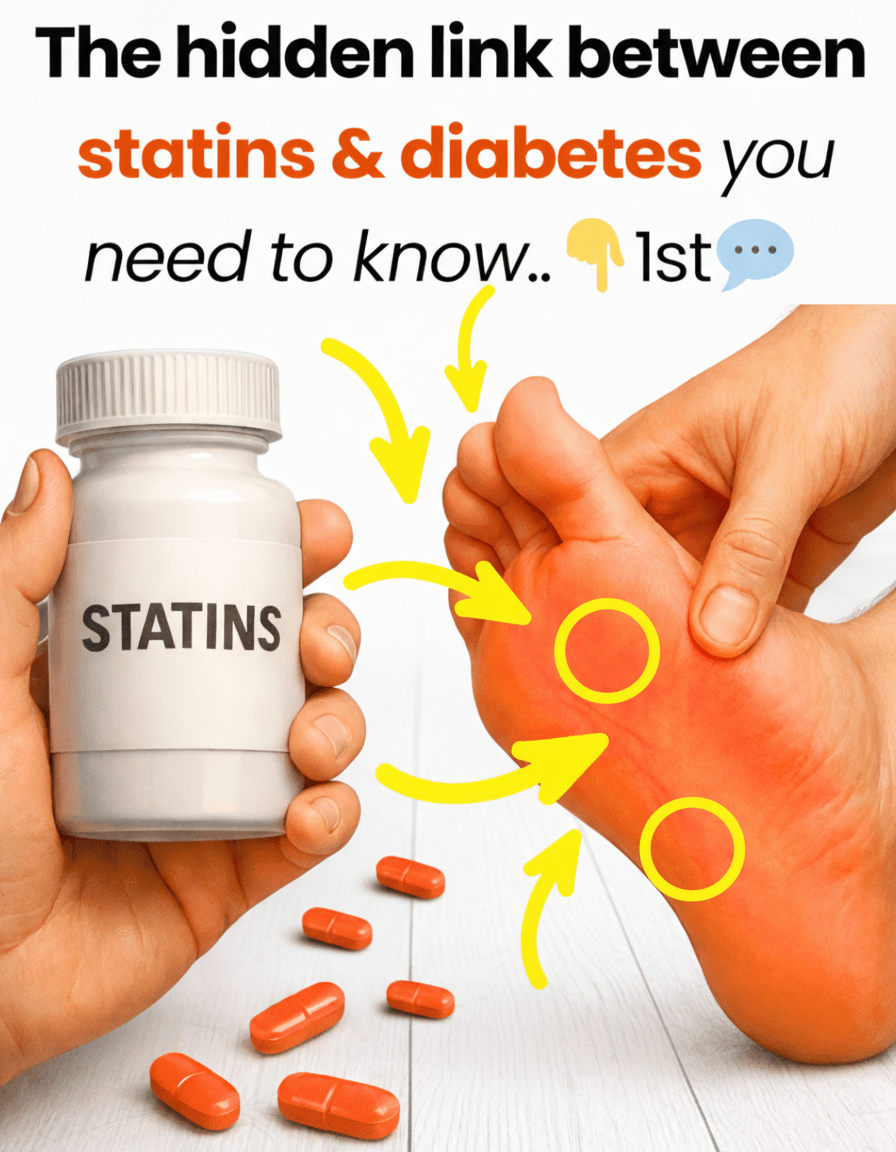
The Established Link Between Statins and Type 2 Diabetes Risk
It is true that statin therapy is associated with a modest increase in the risk of developing type 2 diabetes. This association has been acknowledged for years and is even highlighted in warnings from regulatory bodies like the FDA. Comprehensive analyses of numerous large-scale clinical trials consistently show:
- An overall relative risk increase of approximately 9-12% for individuals on moderate-dose statins.
- For higher-intensity statin regimens, such as high-dose atorvastatin, this relative risk can rise to about 36%.
The specific research often cited, which tracked around 8,500 participants over 15 years and noted a 38% increased risk, refers to the Rotterdam Study. This significant population-based analysis, published around 2019, found that the risk was particularly elevated in individuals already predisposed to diabetes, such as those with obesity or prediabetes.
Crucial Context: It’s vital to distinguish between relative risk and absolute risk. While the relative increase might sound substantial, the absolute increase in diabetes cases is quite small. For example, over several years, this might translate to just one additional case of diabetes for every 100-200 people treated, depending on their individual baseline risk factors. For individuals facing a high risk of cardiovascular events, statins demonstrably prevent a significantly greater number of heart attacks and strokes than the potential diabetes cases they might induce.
Do the Benefits of Statins Outweigh the Risks?
Leading health organizations, including the American Heart Association, American Diabetes Association, and Mayo Clinic, generally concur on this point: for the majority of individuals with elevated cholesterol, existing heart disease, or diabetes, the profound cardiovascular protection afforded by statins outweighs the slight risk of developing type 2 diabetes. Statins are highly effective in reducing the incidence of heart attacks, strokes, and overall mortality in high-risk populations, even those already living with diabetes.
The paradox sometimes highlighted—that diabetes itself elevates heart disease risk—is indeed true. However, even when accounting for this, statins continue to provide a net health benefit by mitigating the overall cardiovascular burden.
Mechanisms and Other Potential Side Effects
Statins can, in some individuals, contribute to increased insulin resistance and slightly higher blood sugar levels. Muscle pain, or myalgia, stands as the most frequently reported side effect, affecting approximately 5-10% of users. Additionally, statins are known to reduce levels of Coenzyme Q10 (CoQ10) in the body. Nevertheless, it’s important to note:
- Severe muscle problems, such as rhabdomyolysis, are exceedingly rare.
- The evidence supporting CoQ10 supplements as a reliable preventative measure for statin-related muscle symptoms remains weak.
- Claims suggesting widespread cognitive impairment, an increased risk of cancer, or depression linked to statin use are not substantially supported by robust, large-scale clinical trials.
Cholesterol and Heart Disease: The Scientific Consensus
The assertion that there is “no real link” between cholesterol and heart disease is fundamentally inaccurate and contradicts decades of scientific research. Elevated levels of LDL (low-density lipoprotein) cholesterol are a well-established and causal risk factor for atherosclerotic cardiovascular disease. This understanding is firmly supported by extensive genetic, epidemiological, and clinical trial data.
While the impact of dietary cholesterol (from the food we eat) on blood cholesterol levels is now understood to be less significant than previously thought, the levels of LDL cholesterol circulating in the blood remain a crucial determinant of cardiovascular risk.
Lifestyle Changes: A Foundational Approach
The importance of lifestyle interventions—including a balanced diet, regular physical activity, and effective stress management—cannot be overstated. These elements form the cornerstone of both heart health and blood sugar regulation. Adopting a heart-healthy lifestyle, such as following a Mediterranean-style eating pattern and engaging in consistent exercise, can naturally help lower cholesterol levels and reduce the risk of diabetes.
However, for many individuals, lifestyle modifications alone are insufficient to achieve optimal cholesterol levels, particularly when genetic predispositions or pre-existing conditions are present. In such cases, statins are frequently prescribed as a complementary therapy to further reduce cardiovascular risk.
The Bottom Line
Statins are not without their imperfections, carrying a small risk of inducing type 2 diabetes and various potential side effects. Yet, they are among the most thoroughly studied medications in medical history and have unequivocally saved countless lives by preventing severe cardiovascular events. Framing the discussion around a “shocking truth” often sensationalizes potential risks while inadvertently downplaying their well-documented, life-saving benefits.
If you are currently taking statins, or considering them, it is essential to engage in a detailed discussion with your doctor about your personal risk factors and potential benefits. Your healthcare provider can monitor your blood sugar, adjust dosages if necessary, or explore alternative treatments tailored to your individual health profile.
Please remember, this article provides general information based on available scientific evidence and should not be considered personalized medical advice. Always consult a qualified healthcare professional for decisions regarding your medications and health management.
Share facebook Share on Facebook twitter Share on Twitter pinterest Share on Pinterest
Share More More + linkedin Share on Linkedin vk Share on Vk reddit Share on Reddit tumblr Share on Tumblr viadeo Share on Viadeo buffer Share on Buffer pocket Share on Pocket whatsapp Share on Whatsapp viber Share on Viber email Share on Email skype Share on Skype digg Share on Digg myspace Share on Myspace blogger Share on Blogger YahooMail Share on Yahoo mail telegram Share on Telegram Messenger Messenger Share on Facebook Messenger gmail Share on Gmail amazon Share on Amazon SMS Share on SMS
Related Posts
Categories Healthy Life World’s deadliest cancer: 8 early warning signs every older