 By admin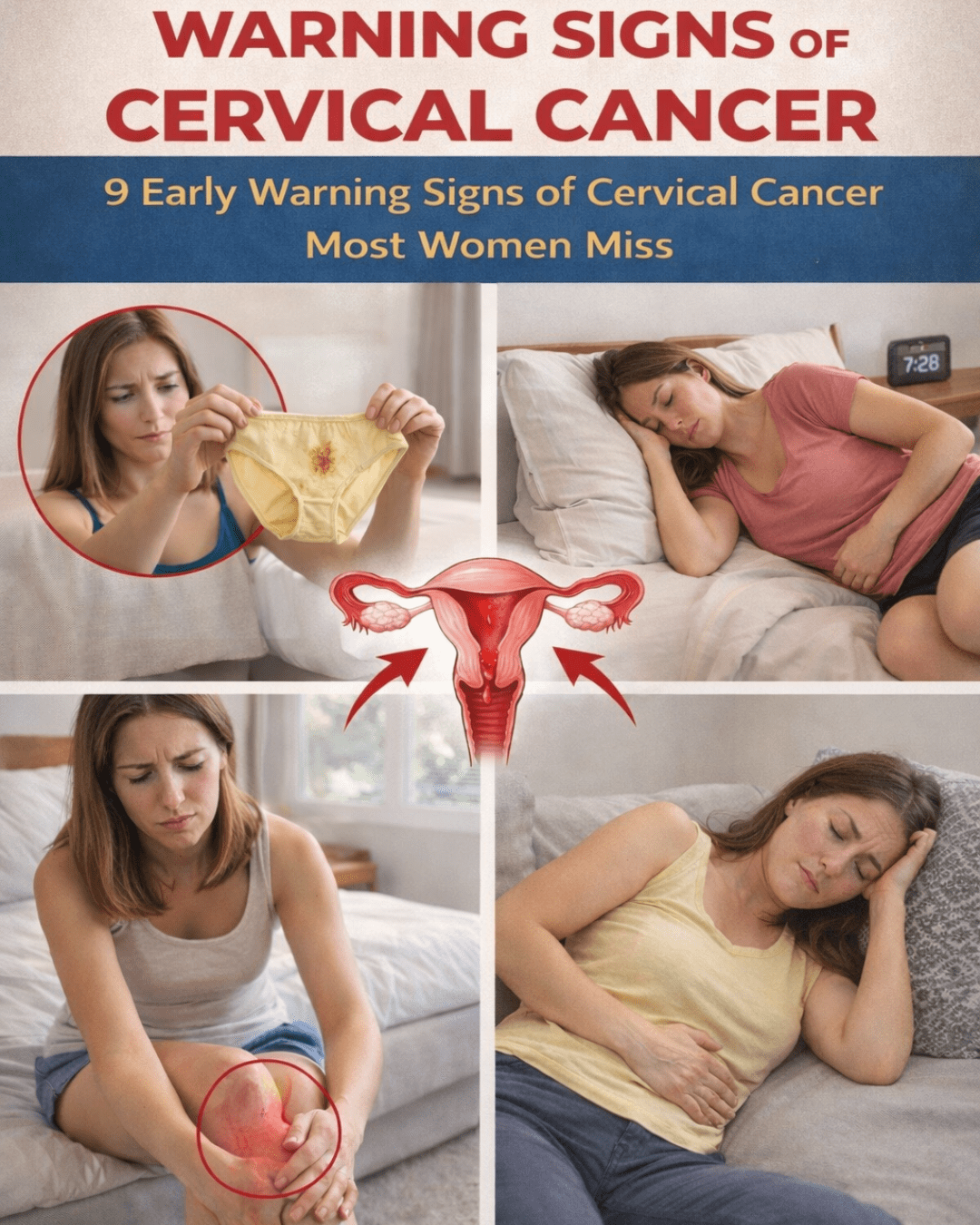
You’re folding laundry late at night when you notice light spotting that doesn’t quite fit your cycle—it’s not your period, there’s no pain, and it seems minor. You brush it off as stress, hormones, or just one of those unpredictable “woman things,” but a quiet unease lingers. Thousands of women in the United States face a cervical cancer diagnosis each year, yet this highly preventable cancer often stays silent until advanced stages because early signs are subtle and easy to dismiss. The good news? Recognizing these whispers early through awareness and prompt action dramatically improves outcomes—often allowing simple treatment before anything serious develops. Stick with me, because by the end, you’ll discover one powerful mindset shift that turns uncertainty into confident control over your health.

Why Cervical Cancer Often Goes Unnoticed Until Later Stages
Cervical cancer is almost always linked to long-term infection with high-risk strains of human papillomavirus (HPV), a very common virus that can stay dormant for years without causing obvious issues. Research from organizations like the American Cancer Society shows that during this time, abnormal cells can slowly form on the cervix with little to no discomfort. By the time more noticeable symptoms appear, the changes may have progressed, making treatment more complex. Busy lives—careers, family, daily demands—make it even easier to ignore subtle shifts, but studies emphasize that early detection through screening and symptom awareness saves lives by catching issues when they’re most treatable.
But here’s the reassuring part: cervical cancer is one of the most preventable cancers when we pay attention to the body’s quiet signals.
The Subtle Way Early Signs Show Up
Many women assume serious problems would cause dramatic pain or obvious changes. In reality, early cervical cancer often disrupts normal patterns in small, dismissible ways. These clues rarely scream—they whisper. That’s why so many women overlook them until a routine check or worsening symptoms prompts action. The key is tuning in without fear, because knowledge empowers rather than alarms.
Here are the 9 early warning signs most commonly overlooked, based on insights from leading health sources like Mayo Clinic, CDC, and American Cancer Society.
1. Abnormal Vaginal Bleeding That Feels “Off”
Unexpected bleeding tops the list as one of the most reported early clues. This can include spotting between periods, bleeding after intercourse, or periods that are heavier or longer than your norm.
But that’s not all—many women rationalize it as irregular hormones or stress. If it happens more than once, it’s worth noting. Real stories show that women who acted on this sign often caught precancerous changes early.

2. Unusual Vaginal Discharge
Changes in discharge—watery, pinkish, bloody-tinged, thicker than usual, or with a foul odor—can signal cervical tissue shifts. Discharge is normal, but persistent differences feel embarrassing, leading many to self-treat or ignore.
The truth is, these changes often reflect underlying issues. When addressed promptly, they frequently lead to relief through simple evaluation.
3. Pain or Discomfort During Intercourse
Intimacy should feel good, not painful. Discomfort, aching, or new sensitivity during sex is frequently blamed on dryness, stress, or aging.
Yet this is a classic early flag. Women who spoke up found that addressing it restored comfort and confidence quickly.
4. Persistent Pelvic Pain or Pressure
A dull ache, heaviness, or pressure in the lower abdomen or pelvis that lingers—even if mild—gets dismissed as posture, digestion, or monthly cramps.
Sự thật là when it persists or worsens, it deserves attention. Early checks often reveal manageable causes.
5. Longer or Heavier Menstrual Periods
Sudden shifts like periods lasting more days, soaking through protection faster, or leaving you more drained can point to cervical changes alongside hormonal factors.
Tracking your cycle for a few months reveals patterns memory misses. Small adjustments in awareness make a big difference.
6. Bleeding After Menopause
Any vaginal bleeding after menopause—even light spotting—is never normal and should prompt immediate medical review.
Postmenopausal bleeding is a red-flag symptom highlighted by experts. Acting quickly prevents escalation.

7. Unexplained Fatigue or Weakness
Constant tiredness without clear cause, feeling like you’re “walking through mud,” can accompany other subtle signs when the body works harder against changes.
While fatigue has many origins, pairing it with reproductive symptoms warrants checking.
8. Leg Pain or Swelling
Less common early on, but one-sided leg discomfort, swelling, or aching may occur if pelvic pressure affects nearby structures.
This often appears later, underscoring why noticing earlier signs matters most.
9. Changes in Urination or Bowel Habits
Frequent urges, trouble fully emptying the bladder, constipation, or other bathroom shifts can stem from pelvic pressure.
When combined with other clues, these signal the need for evaluation rather than assuming age or diet alone.

Quick Comparison: Normal vs. Concerning Changes
- Bleeding → Normal: Regular periods | Concerning: Between cycles, after sex, post-menopause
- Discharge → Normal: Clear/white, odorless | Concerning: Watery/bloody, foul-smelling, persistent
- Pain → Normal: Occasional cramps | Concerning: During sex, constant pelvic pressure
- Energy → Normal: Fluctuates with life | Concerning: Unexplained, ongoing fatigue
Use this as a simple reference to gauge your own patterns.
Prevention and Early Action: Steps You Can Take Right Now
Nearly all cervical cancers stem from preventable HPV infections. Vaccination and screening form a powerful defense.
Current U.S. guidelines (updated recommendations from ACS and others) suggest:
- Ages 21–29: Pap test every 3 years
- Ages 30–65: HPV test alone every 5 years, or Pap + HPV every 3–5 years
- Over 65: Discuss with your provider if screening can stop based on history
Additional protective steps include:
- Getting the HPV vaccine if eligible (it prevents most high-risk types)
- Not smoking, as it weakens immune response to HPV
- Scheduling regular screenings even if feeling fine
- Paying attention to body changes and reporting them promptly
Here’s a simple actionable plan to start today:
- Track your cycle and symptoms for the next month using a notes app or calendar.
- Note any changes from your baseline (bleeding, discharge, pain levels 1–10).
- If anything feels off for more than 2–3 weeks, call your healthcare provider.
- Ask about your next screening—many offer self-collection HPV tests for convenience.
- Share this with a friend or loved one; awareness multiplies protection.
Imagine the Peace of Mind That Comes With Action
Picture yourself a few weeks from now: you’ve had that overdue check-up, listened to your body more closely, and replaced quiet worry with clear information. Whether everything is normal or needs follow-up, you’re in control—not waiting for symptoms to worsen. Early awareness doesn’t just detect problems; it prevents them from becoming bigger ones.
Cervical cancer leaves clues when we know where to look. By tuning in now, you give yourself—and those you care about—the best chance at long, healthy lives.
Frequently Asked Questions (FAQ)
What is the number one early sign of cervical cancer?
Abnormal vaginal bleeding, such as spotting between periods or after sex, is the most commonly reported early symptom according to sources like the Mayo Clinic and American Cancer Society.
Can cervical cancer be prevented completely?
While not 100% preventable in every case, HPV vaccination plus regular screening prevents the vast majority of cases by catching or blocking high-risk changes early.
How often should I get screened for cervical cancer?
Guidelines vary by age: typically Pap tests every 3 years for 21–29, and HPV-focused options every 3–5 years for 30–65. Always confirm with your doctor for personalized advice.
This article is for informational purposes only and is not a substitute for professional medical advice, diagnosis, or treatment. Always consult a qualified healthcare provider if you have concerns about symptoms or screening.