 By admin
 Type 2 Diabetes Breakthrough: How Reducing Pancreatic Fat Can Revolutionize Blood Sugar Control
Navigating life with Type 2 Diabetes can often feel like an uphill battle. Millions worldwide grapple daily with fluctuating blood sugar levels, frequent medical appointments, medication regimens, and the persistent worry of long-term health complications such as chronic fatigue, nerve damage, or cardiovascular issues. The continuous effort to maintain health goals can be disheartening when progress appears slow or non-existent.
However, groundbreaking research from leading UK institutions is offering a fresh perspective on metabolic health, revealing how subtle shifts in body fat distribution could profoundly impact Type 2 Diabetes management. Studies increasingly indicate that excessive fat accumulation within the pancreas plays a pivotal role in the progression of Type 2 Diabetes. Crucially, reducing this fat—even by a remarkably small amount—has been linked to significantly improved insulin function and potentially even diabetes remission.
Continue reading to delve into this vital connection, explore the scientific evidence supporting sustainable weight loss strategies, and uncover actionable steps many individuals are taking to achieve their health objectives. The most encouraging aspect? Some research suggests that consistent effort can lead to truly lasting benefits.
Understanding the Critical Link Between Pancreatic Fat and Type 2 Diabetes
Type 2 Diabetes develops when the body either fails to utilize insulin effectively (insulin resistance) or doesn’t produce enough of it. For many years, the primary focus among medical experts was predominantly on overall body weight. Yet, pioneering work from Newcastle University in the UK, led by Professor Roy Taylor and his team, fundamentally shifted this paradigm with the introduction of the “Twin Cycle Hypothesis.”
This hypothesis explains that once individuals exceed their personal “fat threshold,” surplus energy isn’t solely stored beneath the skin but also accumulates within vital organs like the liver and pancreas. Initially, fat buildup in the liver contributes to insulin resistance. Subsequently, as fat infiltrates the pancreas, it directly impairs the function of beta cells—the specialized cells responsible for producing and releasing insulin.
Research conclusively demonstrates that even modest reductions in this ectopic (organ-specific) fat can help restore normal pancreatic function. In early studies, participants who achieved substantial weight loss experienced a rapid decline in liver fat, followed by a normalization of pancreatic fat within a few weeks. This profound shift was directly associated with enhanced insulin secretion and significantly improved blood sugar levels.
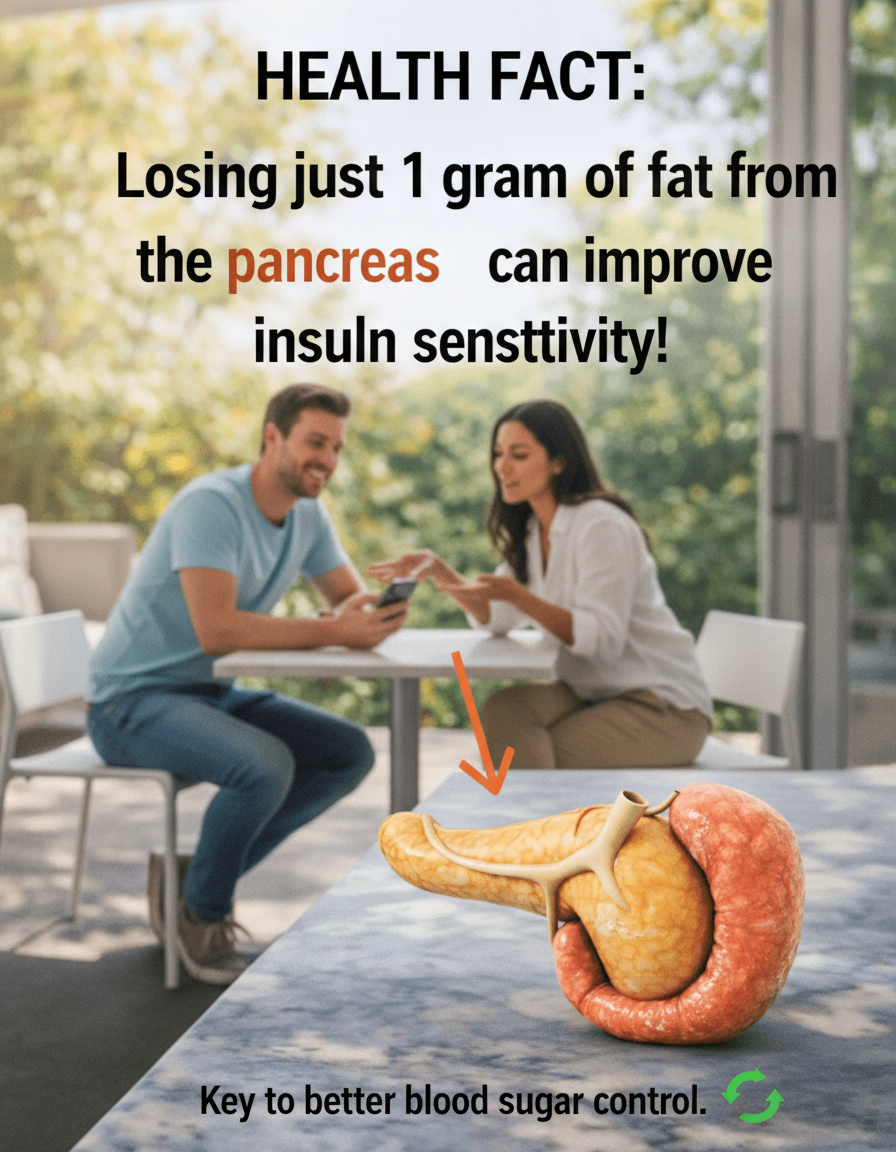
One particularly striking discovery highlighted that losing less than 1 gram of fat specifically from the pancreas appeared to be tied to these positive metabolic improvements in some cases. While comprehensive body weight loss (often 10-15 kg, or approximately 10-15% of initial body weight) drives this process, the targeted reduction in pancreatic fat seems uniquely crucial for metabolic recovery. This isn’t about setting impossible goals; the human body responds remarkably well when fat stores in these critical areas diminish.
What Cutting-Edge Research Truly Reveals
Multiple robust studies, including the extensive DiRECT trial (Diabetes Remission Clinical Trial) funded by Diabetes UK, have rigorously evaluated structured weight loss programs within real-world primary care settings. Participants in these trials initially followed a carefully monitored low-calorie meal replacement plan (typically around 800 calories per day), then gradually reintroduced solid foods while learning sustainable long-term healthy eating habits.
After just one year, nearly half of the participants achieved significant improvements in blood sugar control, with many able to discontinue their diabetes medications. Follow-up data collected at 2 and 5 years consistently demonstrated that ongoing support was instrumental in helping many individuals maintain these profound benefits. Crucially, advanced scans revealed that those who responded positively to the intervention exhibited greater reductions in both liver and pancreatic fat compared to individuals who experienced less change.
The decrease in pancreatic fat occurred steadily, reinforcing the theory that even small reductions allow beta cells to function more effectively. These significant findings have been published in prestigious peer-reviewed journals such as The Lancet and Cell Metabolism. They unequivocally highlight that Type 2 Diabetes involves reversible processes for many individuals, particularly when addressed earlier after diagnosis.
Key Scientific Insights:
- Liver fat often normalizes first, typically within days to weeks of calorie restriction.
- Pancreatic fat reduction follows, leading to notable improvements in insulin response.
- Long-term success is contingent upon maintaining a lower body weight to prevent the re-accumulation of fat in these vital organs.
This evidence powerfully challenges the long-held belief that beta cell function is permanently lost in Type 2 Diabetes. Instead, research now clearly demonstrates that significant recovery is possible once the underlying stress from ectopic fat accumulation is alleviated.
Actionable Steps to Support Healthy Weight Loss and Metabolic Health
Embarking on a journey to reduce organ fat begins with safely creating a calorie deficit while meticulously preserving essential nutrition. Here’s a general approach many individuals adopt, drawing upon insights from evidence-based programs:
- Consult Your Healthcare Provider: Always seek advice from your doctor before making any significant dietary or lifestyle changes, especially if you are currently taking medications for diabetes or other conditions.
- Consider a Structured Plan: Medically supervised low-calorie diets (typically 800-1200 kcal/day) have shown remarkable results in clinical trials. These programs often involve meal replacements initially, followed by a gradual reintroduction of whole foods and education on sustainable eating patterns.
- Focus on Nutrient-Dense Foods: Prioritize whole, unprocessed foods rich in vitamins, minerals, and fiber to ensure your body receives adequate nourishment even with reduced calorie intake.
- Incorporate Regular Physical Activity: While diet is paramount for fat reduction, regular exercise complements weight loss efforts, improves insulin sensitivity, and boosts overall metabolic health.
- Seek Ongoing Support: Long-term success is often enhanced by continuous support, whether through healthcare professionals, support groups, or educational resources, to help maintain new habits and address challenges.
By understanding the profound impact of pancreatic fat and embracing evidence-based strategies, individuals with Type 2 Diabetes have a powerful new pathway towards not just managing, but potentially reversing, their condition and achieving lasting metabolic health.