 By admin
 For countless women navigating their 30s and 40s, a series of subtle yet significant bodily changes can emerge—think unpredictable menstrual cycles, sudden hot flashes, or persistent fatigue. It’s common for these shifts to be dismissed as mere consequences of stress, demanding lifestyles, or the natural aging process. However, these symptoms could be vital signals of early menopause or premature ovarian insufficiency (POI), conditions where ovarian function diminishes well before the typical average age of 51. Globally, studies suggest that POI impacts approximately 1-4% of women under 40, while early menopause affecting those before 45 could reach up to 12%—a significant demographic experiencing this life transition earlier than anticipated. The challenge lies in the frequent oversight of these initial indicators until they become more pronounced, potentially impacting long-term health and quality of life. Yet, identifying these signs early on empowers you to initiate crucial discussions with healthcare professionals and adopt proactive strategies. Join us as we delve deeper into actionable ways to manage these changes and underscore the profound importance of timely awareness.
The Evolving Landscape of Early Menopause
The onset of significant hormonal shifts doesn’t always adhere to a predictable schedule. A variety of factors can trigger a premature decline in ovarian function, including genetic predispositions, specific autoimmune disorders, certain medical interventions like chemotherapy, or sometimes, the cause remains idiopathic. Far from being a rare occurrence, current research indicates a higher prevalence of early menopause than previously understood. This earlier onset is particularly noteworthy as it’s associated with increased risks concerning bone density, long-term cardiovascular health, and general vitality, primarily due to an extended period of reduced estrogen levels.
It’s common to dismiss irregular menstrual cycles or fluctuating moods as simply part of a busy life, and if you’ve done so, you’re certainly not alone. Many women retrospectively realize these were initial alerts. The encouraging news is that heightened awareness serves as a powerful tool, facilitating more productive conversations with your doctor and guiding you toward lifestyle modifications that genuinely support your ongoing health journey.
10 Essential Indicators of Early Menopause to Recognize
Below, we outline ten prevalent signs that could point towards early menopause or premature ovarian insufficiency (POI). It’s crucial to understand that observing one or more of these indicators does not constitute a definitive diagnosis; only a qualified healthcare provider can offer clarity following a thorough medical assessment.
1. Irregular or Missed Periods
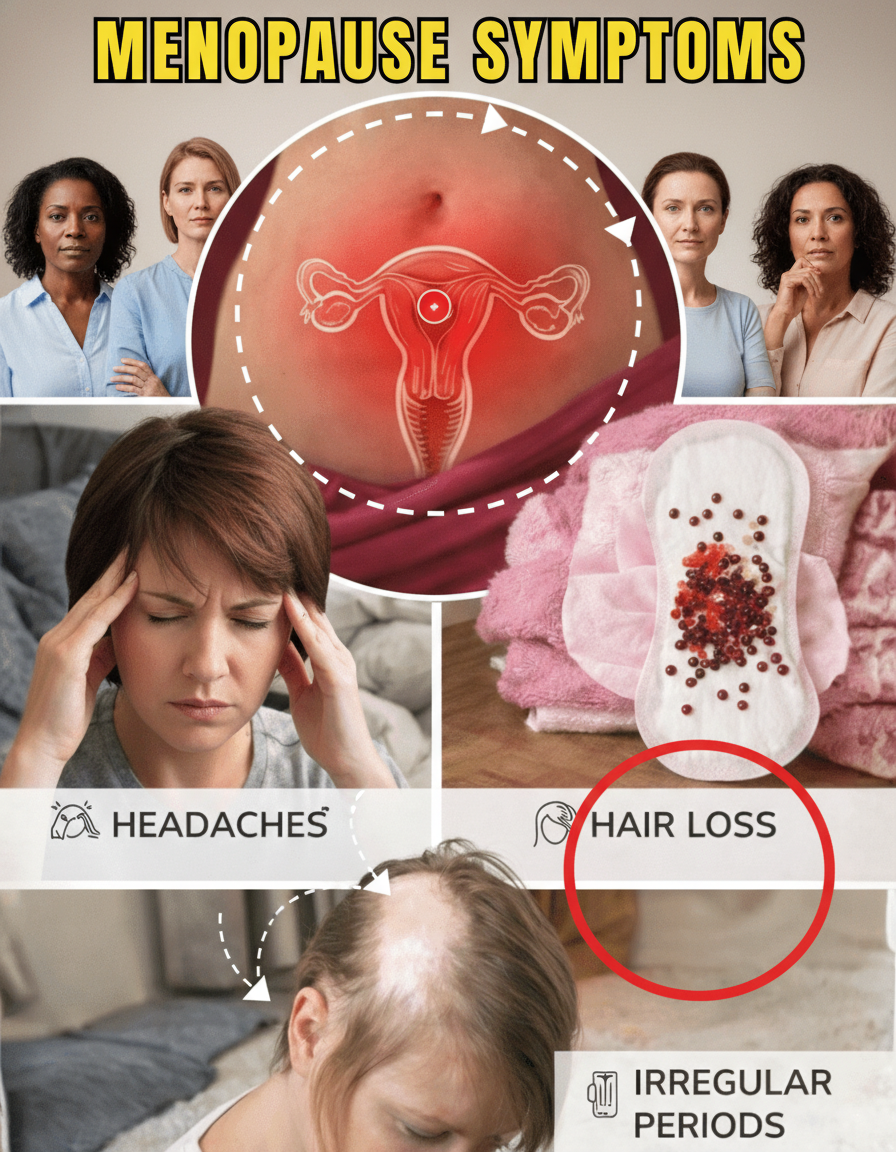
Among the initial and most apparent shifts are unpredictable menstrual cycles. These can manifest as periods becoming shorter, longer, unusually heavy, surprisingly light, or even entirely absent for consecutive months. Consider the case of a 38-year-old client who experienced amenorrhea for several months, initially prompting concerns about unrelated health matters. Diligently tracking your cycle using a dedicated app or a simple calendar can help identify significant patterns that warrant a discussion with your physician.
2. Hot Flashes and Night Sweats
Experiencing abrupt sensations of intense warmth, frequently accompanied by profuse sweating and a flushed complexion, can occur unexpectedly, whether you’re in a professional meeting or deep in sleep. These ‘vasomotor symptoms’ are a common characteristic of hormonal fluctuations and can significantly disrupt daily life. For immediate relief, basic cooling techniques, such as wearing breathable fabrics or utilizing a fan, can provide temporary comfort for many.
3. Sleep Problems
Challenges with initiating sleep, maintaining sleep throughout the night, or experiencing frequent awakenings—often exacerbated by night sweats—contribute to persistent fatigue. Insufficient restorative sleep can worsen other menopause symptoms, establishing a difficult-to-interrupt cycle. Implementing and adhering to a consistent bedtime routine could prove beneficial in mitigating these sleep disturbances.
4. Mood Changes and Anxiety
Heightened irritability, pronounced mood swings, or escalating feelings of anxiety are common occurrences, largely due to estrogen’s profound influence on brain chemistry. Many individuals report a distinct sensation of ‘not feeling like their usual self.’ Engaging in open conversations with close friends or mental health professionals can offer invaluable emotional support during these turbulent emotional transitions.
5. Vaginal Dryness or Discomfort
A reduction in estrogen levels can result in the thinning and reduced elasticity of vaginal tissues, manifesting as dryness, discomfort during sexual activity, or altered sensations. While this symptom is widespread, it is frequently manageable through various therapeutic options. Consulting with a healthcare provider is the first step to exploring and identifying appropriate treatment approaches.
6. Ongoing Fatigue
Persistent feelings of exhaustion, even after what appears to be sufficient rest, are a frustrating yet common experience during periods of hormonal imbalance. This profound tiredness might be mistaken for professional burnout, but identifying and addressing the root hormonal causes can progressively help in restoring your energy levels.
7. Joint or Muscle Discomfort
The emergence of novel aches or increased stiffness in joints and muscles can sometimes be observed, potentially linked to how hormonal fluctuations impact inflammatory processes within the body. Incorporating gentle physical activity and adopting supportive lifestyle habits can significantly alleviate these discomforts for numerous individuals.
8. Brain Fog or Memory Issues
Difficulties with concentration, struggling to recall specific words, or experiencing mild forgetfulness are common cognitive changes that can arise. Such shifts in cognitive function are well-documented during hormonal transitions. Implementing strategies like mindfulness exercises or utilizing organizational tools can assist many in maintaining mental acuity.
9. Concerns About Bone Health
Extended periods of reduced estrogen exposure can hasten the loss of bone mineral density, thereby increasing the future risk of developing osteoporosis. Taking proactive measures, such as engaging in regular weight-bearing exercises, is crucial for preserving and enhancing bone strength.
10. Heart-Related Sensations or Long-Term Considerations
Some individuals may notice unusual heart-related sensations, such as palpitations or a racing heartbeat. Beyond these immediate symptoms, early menopause carries broader implications for long-term cardiovascular health. The prolonged absence of estrogen’s protective effects necessitates a proactive approach to heart wellness, making discussions with your doctor about cardiovascular risk management particularly important.
Recognizing these indicators is the crucial first step. If you resonate with any of these signs, initiating a conversation with your healthcare provider is paramount to understanding your unique situation and developing a personalized plan for your well-being.