 By admin
 Do yellowed teeth leave you feeling self-conscious, even with diligent brushing? Many of us struggle with a dull smile, often due to the cumulative effects of daily indulgences like coffee, tea, red wine, and vibrant sauces. These common culprits can deposit stubborn surface stains, obscuring your teeth’s natural brilliance. The exciting news is that a gentle, cost-effective at-home approach may help you effectively diminish these extrinsic discolorations, offering an alternative to more aggressive, sensitivity-inducing treatments. Stick with us, and by the end of this guide, you’ll also uncover the critical reason why many popular “whitening hacks” fall short, saving you valuable time and effort.
Understanding Tooth Discoloration: Why Your Teeth Might Still Look Yellow
The perceived color of your teeth is actually a combination of two primary factors: the accumulation of surface stains and your individual, natural underlying tooth shade.
Extrinsic stains are the most common type; they reside on the outer layer of your enamel. These often result from chromogenic agents found in foods, beverages (like coffee, tea, and red wine), certain spices (such as curry), and lifestyle habits like smoking.
Conversely, intrinsic discoloration originates from within the deeper structures of the tooth or from aged dental restorations. This type of staining typically proves resistant to simple polishing methods. It’s crucial to understand this distinction: while many seek quick fixes promising “instant whitening,” surface-level polishing can only tackle what’s on the exterior. Achieving a change in intrinsic discoloration generally requires professional dental whitening treatments, which utilize peroxide-based ingredients like hydrogen peroxide or carbamide peroxide, as recognized by the American Dental Association (ADA). These powerful compounds penetrate the enamel to alter the internal tooth color, a fundamentally different process from abrasive stain removal.
The Surprising Potential of Eggshells for Dental Health
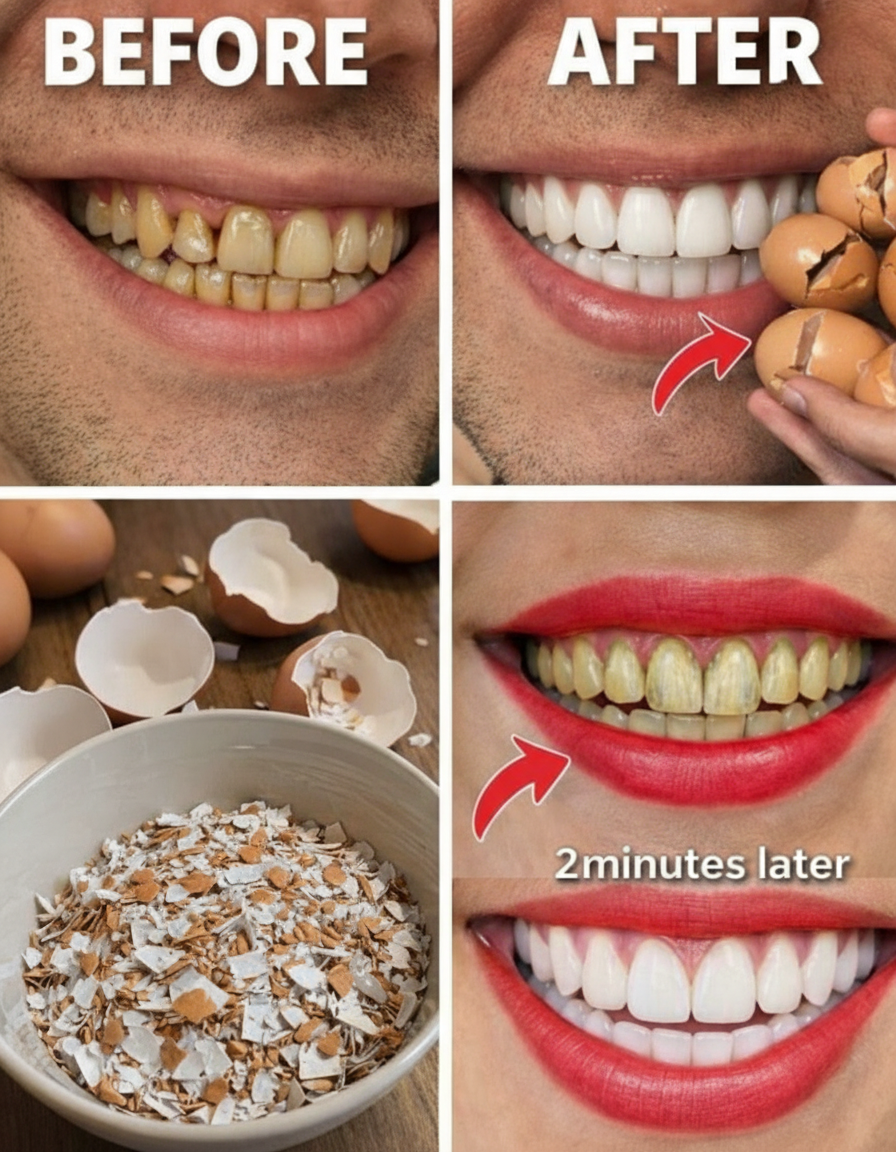
At their core, eggshells are predominantly composed of calcium carbonate, a naturally occurring mineral frequently incorporated into commercial toothpastes for its mild abrasive properties. When meticulously cleaned and pulverized into an ultra-fine consistency, this eggshell powder transforms into a gentle polishing agent. This natural abrasive can effectively aid in the removal of superficial stain accumulation from your tooth enamel, contributing to a brighter appearance.
However, the benefits may extend beyond mere polishing. Emerging scientific research has begun to investigate the remineralization potential of eggshell-derived materials. Studies conducted in laboratory environments have explored their capacity to help restore vital mineral content to demineralized tooth surfaces. For instance, a notable 2025 study, published via PubMed Central, examined the effects of a chicken eggshell powder slurry on demineralized human teeth, highlighting its promising role in preventive and minimally invasive dental care.
A vital reality check: While eggshell paste offers a natural method to gently polish away minor surface stains over time, it is crucial to understand that this process is distinct from the chemical action of peroxide-based whitening. The efficacy and visible results of using eggshell powder can vary significantly, influenced by factors such as the nature and depth of the staining, the pressure applied during brushing, and critically, the fineness of the eggshell powder itself.
Prioritizing Safety: The Essential Role of Fine Powder and Gentle Pressure
It’s a common misconception that “natural” inherently equates to “safe.” When it comes to any form of polishing, particularly do-it-yourself (DIY) methods for teeth, the paramount concern is abrasion control. The abrasivity of dental products, such as toothpastes, is often quantified using metrics like RDA (Relative Dentin Abrasivity). However, research, including studies referenced on PubMed Central, indicates that the true impact of abrasivity and the resulting wear on tooth structure are intricate processes that cannot be fully encapsulated by a single numerical value.
For eggshell paste, this translates into critical considerations:
- Texture is key: If your eggshell powder retains any grittiness, it can act like coarse sandpaper on your enamel, potentially causing damage.
- Pressure matters: Even a mild abrasive, when combined with excessive brushing pressure, can become overly aggressive, leading to unintended harm.
- Frequency is vital: Overuse or applying the paste too frequently risks dulling your precious tooth enamel and irritating sensitive gum tissues.
Therefore, the objective isn’t to scrub with more force, but rather to polish intelligently and gently, ensuring the protection of your oral health.
Crafting Your Own Eggshell Teeth Whitening Paste: A Gentle Recipe
Ready to create your own natural polishing paste? Here’s a simple, gentle recipe to get you started:
Ingredients:
- 3–4 thoroughly cleaned eggshells
- 1–2 teaspoons of organic coconut oil (acts as a natural binder and helps reduce friction)
- Optional: ½ teaspoon of baking soda (use very sparingly; excessive amounts are not beneficial and can be abrasive)
- Optional: A minuscule drop of food-grade peppermint flavoring or, if you are absolutely certain of its oral safety and appropriate dilution, a very small amount of peppermint essential oil (please refer to the crucial safety note below regarding essential oils).
Step-by-Step Preparation for Optimal Hygiene and Texture:
- Thoroughly Rinse: Begin by meticulously rinsing the eggshells to remove all traces of egg residue.
- Boil for Sterilization: Place the rinsed eggshells in boiling water for 5–10 minutes. This crucial step significantly reduces the risk of bacterial contamination.
- Ensure Complete Dryness: Air-dry the eggshells completely. For a quicker or more thorough dry, you can finish them in a warm oven on a very low heat setting.
- Achieve Ultra-Fine Grind: Using a high-speed blender or coffee grinder, pulverize the eggshells until they transform into an incredibly soft, flour-like powder. Absolutely no grittiness should remain; this is paramount for enamel safety.
- Form the Paste: In a small bowl, combine the finely ground eggshell powder with the coconut oil, mixing thoroughly until you achieve a smooth, consistent paste.
- Store Properly: Transfer your homemade paste into a sealed glass jar. Always use a clean, dry spoon to retrieve the paste. If you notice any unusual or “off” smell, it’s best to discard the batch immediately.
Important Caution Regarding Peppermint Essential Oils:
It is imperative to exercise extreme caution with essential oils. These are highly concentrated substances, and improper use can lead to significant irritation or even pose a poisoning risk if ingested. Public health guidelines, such as those from OPSS, strongly advise against using essential oils undiluted, emphasizing that their safety is profoundly dependent on correct dosage and product quality. For a safer way to achieve a refreshing minty flavor, we highly recommend opting for food-grade peppermint extract or flavoring instead.
Gentle Application: The Enamel-Protective Method for Using Eggshell Paste
To maximize results while safeguarding your enamel, follow this gentle application method:
- Start with Your Regular Routine: Begin by brushing your teeth as you normally would, preferably with your fluoride toothpaste if that’s part of your daily oral hygiene regimen.
- Apply the Eggshell Paste: Take a small, pea-sized amount of your prepared eggshell paste and apply it to a soft-bristled toothbrush.
- Brush Gently: Using very light pressure, brush your teeth in small, circular motions for approximately 30–60 seconds. Concentrate your efforts primarily on the front surfaces of your teeth where surface stains are most visible.
- Rinse Thoroughly: After brushing with the paste, rinse your mouth exceptionally well with water to remove all residue.
- Complete Your Routine: Finish by rinsing with water and flossing as you typically would to ensure comprehensive oral cleanliness.
Recommended Frequency:
For optimal and safe results, aim to use this eggshell whitening paste 1-2 times per week. Consistency over time, combined with gentle application, is key to lifting surface stains without compromising your enamel.