 By admin
 Struggling with persistent nail fungus, also known as onychomycosis, combined with overly sweaty feet can feel like an unending battle. This cycle often leads to moisture buildup, which worsens the appearance of your nails over time, causing many to instinctively hide their hands or feet. Beyond the physical discomfort, the emotional toll can be significant, leaving individuals feeling embarrassed, frustrated, and weary of trying countless remedies with little success. The encouraging news is that a simple, kitchen-based routine, when paired with effective drying techniques, can foster a healthier nail environment and help you maintain consistency. Stick around until the end, and I’ll reveal a crucial “drying trick” that many overlook, yet can make a significant difference.
Why Nail Fungus and Excessive Moisture Often Go Hand-in-Hand
Nail fungus thrives in warm, damp conditions – precisely what’s created by sweaty feet, snug footwear, and socks that retain moisture for extended periods. Common risk factors for developing nail fungal infections include regularly wearing shoes that induce heavy foot perspiration and walking barefoot in moist public spaces. ( Mayo Clinic )
The reality is, even the most diligent home care routine will struggle if moisture persistently returns. Excessive moisture facilitates fungal growth by:
- Softening the skin surrounding the nail, making it more susceptible to microbial invasion.
- Establishing a humid, enclosed atmosphere within shoes that encourages fungal proliferation.
- Preventing nails from fully drying after activities like bathing, exercise, or long days at work. ( American Academy of Dermatology )
Moreover, tackling nail fungus is challenging partly because nails grow very slowly. Consequently, any noticeable improvement typically requires weeks to months of consistent care, not just a few days.
Lemon and Garlic: Understanding Their Potential Benefits and Limitations
While lemon and garlic are sometimes touted as “powerful” natural remedies, it’s more accurate and safer to consider them as ingredients that may help cultivate a less fungus-friendly surface environment. Their effectiveness is significantly enhanced when integrated into a comprehensive regimen that includes excellent hygiene and rigorous moisture control.
Garlic: The Reason Behind Its Use
Garlic contains allicin, a compound that has demonstrated antifungal activity in controlled laboratory studies. This includes efficacy against common fungi implicated in nail issues, such as Trichophyton rubrum . ( PMC ) However, it’s important to note that laboratory findings do not always perfectly translate to results on thick, infected nails in real-life scenarios. Nevertheless, allicin’s properties are a primary reason many individuals choose to incorporate garlic into a carefully managed, short-contact nail care routine.
Lemon: Why It’s Included
Lemon juice is naturally acidic and can create a “drying” sensation on the skin’s surface, which is why it’s often associated with moisture reduction. However, it’s crucial to understand that lemon can also be an irritant to the skin, particularly if used undiluted or too frequently. Health experts caution that direct application of lemon juice to the skin can trigger irritation in some individuals. ( Healthline )
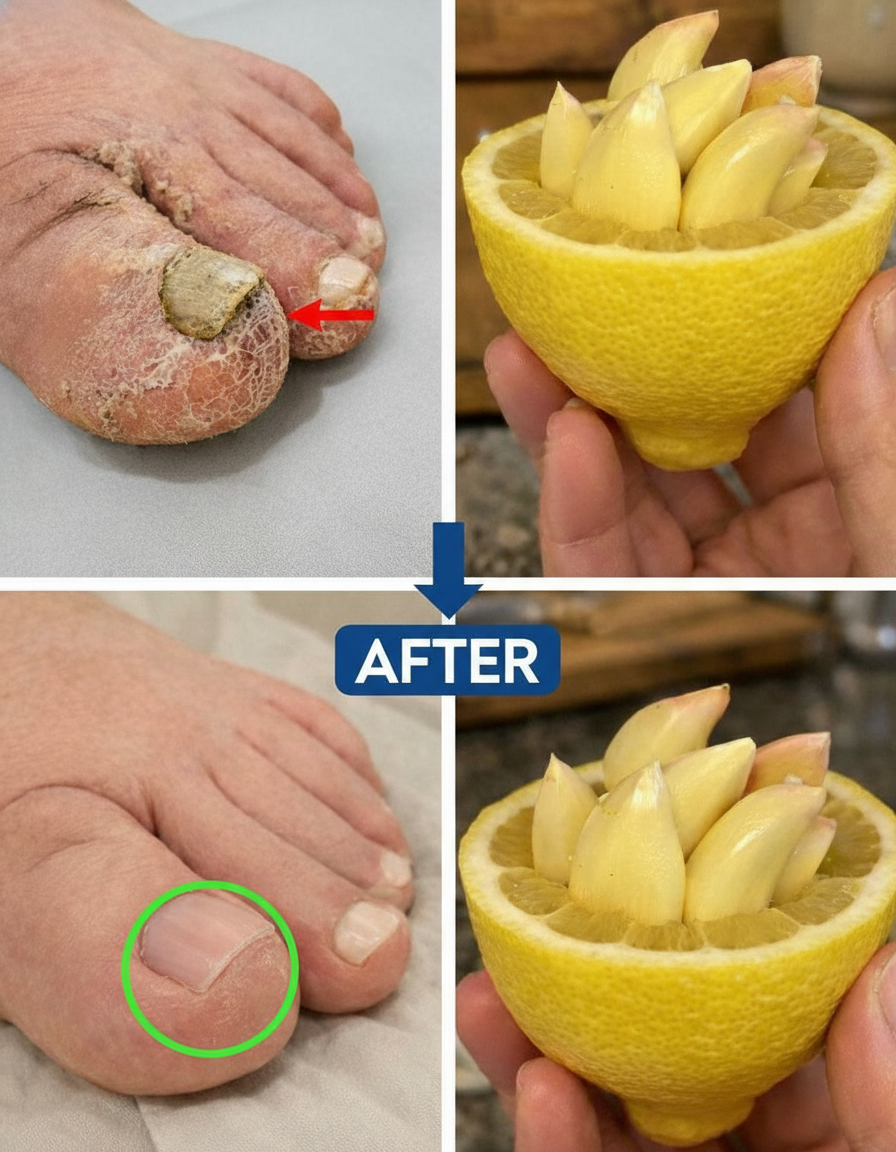
A Very Important Precaution: Exposure to citrus on the skin, followed by sunlight, can sometimes lead to phytophotodermatitis, which manifests as a burn-like rash and skin discoloration. ( PMC ) Therefore, if you apply lemon to your toes or fingers, ensure you keep the treated area away from sun exposure and wash it thoroughly immediately afterward.
A Safer Lemon & Garlic Nail Routine for Enhanced Moisture Control
The core objective of this routine isn’t to aggressively “blast” the nail with harsh compounds. Instead, the focus is on achieving consistent care with minimal irritation, all while ensuring the nail area remains dry and clean. This gentle approach is key to long-term success.
Ingredients You’ll Need
- 1 garlic clove (crushed or finely minced)
- 1 tablespoon fresh lemon juice
- 1 tablespoon olive oil (highly recommended for dilution and to enhance comfort)
Important: If you have sensitive skin, it is imperative not to omit the olive oil, as both garlic and lemon can cause a stinging sensation.
Step-by-Step Application (Simple and Practical)
- Begin by crushing the garlic clove and allowing it to sit for 5–10 minutes. This crucial step helps in the formation of allicin. ( PMC )
- Combine the prepared garlic with the fresh lemon juice and olive oil in a small mixing bowl.
- Before applying, thoroughly clean and dry the affected nail area. This preparatory step is far more significant than many realize for optimal results.
- Dip a cotton swab or a small cotton pad into the mixture and carefully dab it onto the nail surface and along the edge of the cuticle. Be sure to avoid any broken skin.
- Allow the mixture to remain on the nails for a maximum of 10 minutes. This short contact time is essential to minimize the risk of skin irritation.
- Rinse the area thoroughly with water, then dry your nails completely.
Recommended Frequency
Initiate the routine by applying the soak 3–4 times per week for a period of 2 weeks. If your skin tolerates the treatment well without adverse reactions, you may gradually increase the application to once daily. However, should you experience any burning, redness, peeling, or worsening discomfort, discontinue use immediately and switch to a gentler nail care regimen.
Why not apply 2–3 times a day? Frequent exposure, especially to acidic lemon, can irritate the skin and cuticles. This irritation can paradoxically make the nail area more vulnerable to problems rather than improving its condition. ( Healthline )
Crucial Safety Check: Who Should Exercise Extra Caution?
Certain individuals should refrain from embarking on strong DIY routines and instead consult a clinician much sooner. This is especially important because various nail conditions can present with similar symptoms, making self-diagnosis difficult.
| Situation | Why it matters | Safer next step |
|---|---|---|
| Diabetes, poor circulation, or reduced sensation in feet | These conditions carry a higher risk of slow wound healing and potential complications from skin irritation or minor injuries. | Always seek medical guidance from a healthcare professional before attempting any home remedies or routines. ( Mayo Clinic ) |
| Cracked, broken, or open skin around the nail | Applying any mixture to compromised skin can introduce bacteria, increase irritation, and lead to more severe infections. | Do not apply any soak to broken skin. Consult a doctor or dermatologist for appropriate treatment and guidance. |