 By admin
 A throbbing toothache can completely disrupt your day, turning simple acts like eating, sleeping, or even speaking into a painful ordeal. While cavities often develop silently, the onset of noticeable pain can trigger anxiety, making you feel overwhelmed and unsure of what to do next. The good news is that immediate, safe steps exist to alleviate discomfort and safeguard your tooth while you arrange for professional dental care. Towards the end of this guide, we’ll also reveal a common nocturnal trigger that often intensifies tooth pain, especially at night.
Understanding Toothaches and Cavities: The Basics
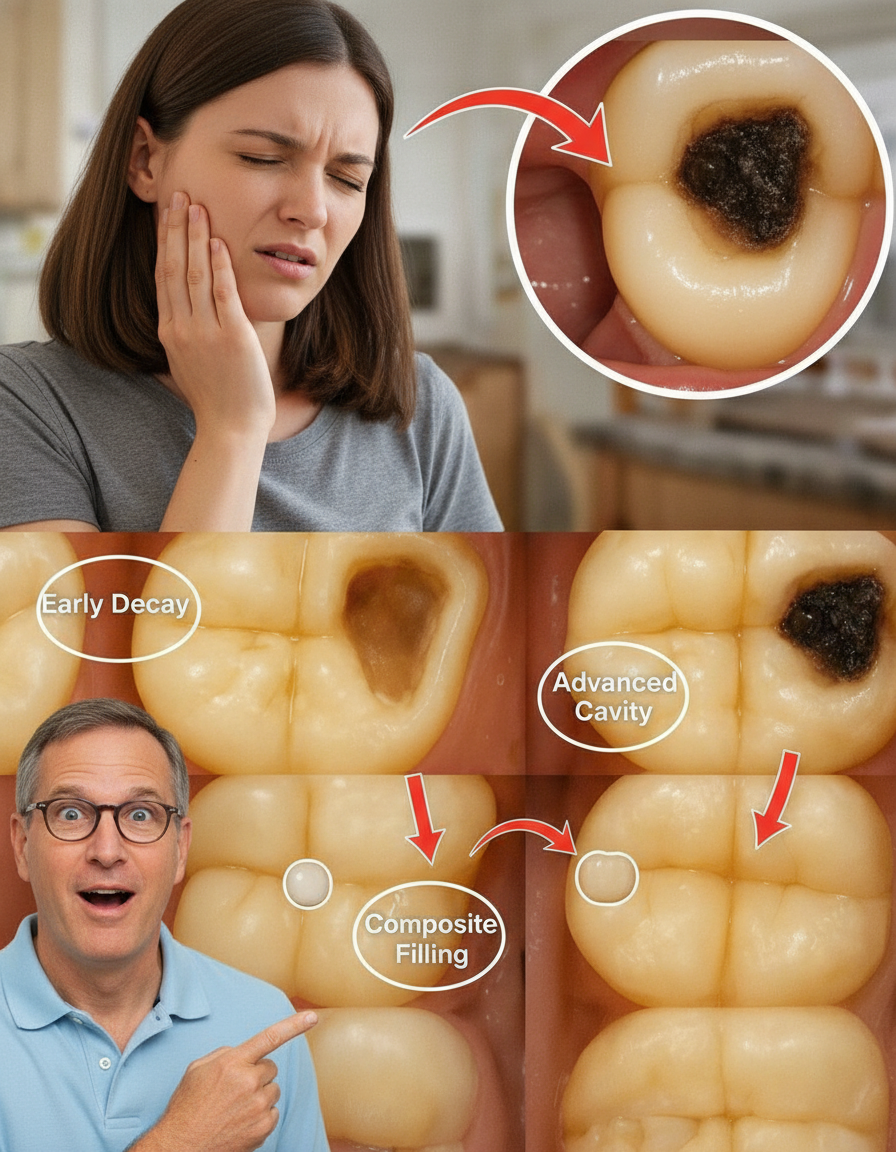
A cavity, medically known as dental caries, occurs when the tooth’s robust outer layer, the enamel, is damaged by acids. These acids are byproducts of oral bacteria breaking down sugars and starches from the foods and drinks we consume. Over time, this process weakens the enamel, potentially exposing the more sensitive inner layers of the tooth.
However, tooth pain isn’t exclusively a sign of cavities. Several other factors can contribute to a toothache:
- Enamel Erosion or Sensitivity: A sharp, fleeting sting triggered by cold air or sweet foods.
- Deep-Seated Cavity: Persistent discomfort that lingers for minutes after exposure to hot or cold stimuli.
- Cracked or Fractured Tooth: Pain that intensifies specifically when biting down or chewing.
- Gum Inflammation or Irritation: Characterized by tender, swollen, or bleeding gums around a tooth.
- Uneven Filling or Teeth Grinding (Bruxism): Can cause jaw soreness or make a tooth feel “too high” or misaligned.
It’s crucial to remember that the same tooth can exhibit different types of pain at various times, making self-diagnosis and relying on unverified remedies often ineffective.
Urgent Dental Care: Recognizing Red Flags
If you experience any of the following symptoms, do not delay seeking immediate dental or medical attention. These signs can indicate a more serious underlying issue:
- Facial Swelling: Especially if it spreads towards your eye, jawline, or neck.
- Fever, Chills, or General Malaise: Accompanied by tooth pain, indicating a potential infection.
- Difficulty Swallowing or Breathing: A severe symptom requiring urgent medical evaluation.
- Persistent Pus or Foul Taste: Suggests an ongoing infection that needs professional drainage.
- Severe, Unrelenting Throbbing Pain: Pain that doesn’t subside with over-the-counter medication.
- Pain Following Injury: Any tooth pain after a blow to the mouth or face warrants immediate assessment.
Many significant dental infections begin with seemingly minor toothaches and can rapidly escalate. Recognizing these warning signs is vital for your health.
Deciphering Your Pain: A Quick Self-Assessment Guide
This guide is for informational purposes to help you describe your symptoms clearly to a dentist, not for self-diagnosis.
| What You Feel | Common Pattern | Potential Cause | Immediate Action |
|---|---|---|---|
| Sharp zing with cold/sweets | Quickly subsides | Tooth sensitivity, early enamel damage | Use desensitizing toothpaste, avoid triggers, schedule a dental check-up |
| Lingering ache after hot/cold | Lasts several minutes | Deeper cavity, nerve irritation | Follow an OTC pain management plan, avoid extreme temperatures, see a dentist soon |
| Pain when biting/chewing | Worsens with pressure | Crack, high filling, deeper decay | Opt for soft foods, avoid chewing on the affected side, seek prompt dental evaluation |
| Throbbing pain that disrupts sleep | Intensifies at night | Increased internal pressure/inflammation | Elevate your head while sleeping, rinse with warm salt water, arrange an urgent dental assessment |
It’s important to understand that home care aims not to “cure” cavities, but to mitigate irritation, protect the tooth, and provide comfort until you can receive professional dental treatment.
Effective Home Comfort Strategies for Toothache Relief
Here are safe and practical steps you can take today to manage toothache discomfort:
1) The Soothing Power of Warm Saltwater Rinses
Warm saltwater acts as a gentle antiseptic, helping to reduce gum irritation and flush away food particles that might be exacerbating pain.
How to do it:
- Mix ½ teaspoon of salt in one cup of warm (not hot) water.
- Swish the solution around your mouth for 20–30 seconds, then spit it out.
- Repeat this process 2–3 times daily.
Note: If the area is extremely tender, avoid vigorous swishing.
2) Applying Cold Correctly for Swelling and Sharp Pain
A cold compress can effectively diminish swelling and provide a numbing effect to the painful area.
How to do it:
- Wrap an ice pack or a bag of frozen vegetables in a thin cloth.
- Apply it to the outside of your cheek near the affected area for 10–15 minutes.
- Remove for 10–15 minutes, then reapply as needed.
3) Safe Use of Over-the-Counter Pain Relief
Many individuals find significant relief using standard over-the-counter (OTC) pain relievers, always adhering strictly to the dosage instructions on the label and ensuring no medical contraindications.
Commonly Recommended Options (use as directed):
- Ibuprofen (e.g., Advil, Motrin): Often effective for both pain and inflammation.
- Acetaminophen (e.g., Tylenol): A suitable alternative for pain relief if NSAIDs like Ibuprofen are not appropriate for you.
Important Safety Considerations:
- Never exceed the recommended dosage on the label.
- Avoid consuming alcohol when taking acetaminophen.
- If you are pregnant, taking blood thinners, have a history of ulcers, kidney disease, liver disease, or other chronic conditions, consult your doctor or pharmacist before taking any OTC medication.
4) Protecting Your Tooth from Pain Triggers
To prevent sudden pain flare-ups, adjust your eating habits:
- Chew food on the opposite side of your mouth.
- Opt for soft foods like yogurt, scrambled eggs, soup, and oatmeal.
- Steer clear of very hot, very cold, or overly sweet foods and beverages.
- Avoid sticky foods (e.g., caramel, gummies) that can pull on enamel or existing fillings.
5) Gentle Oral Hygiene is Essential (Even with Pain)
It might be tempting to skip brushing the painful area, but bacteria thrive in neglected spots. Maintaining gentle oral hygiene is crucial.
Try these tips:
- Use a soft-bristled toothbrush.
- Brush slowly and carefully with lukewarm water.
- Floss gently around the affected tooth; if the floss snags, slide it out sideways rather than pulling upwards.
What to Avoid: Common Mistakes That Worsen Toothaches
Many popular “viral” remedies can actually exacerbate your toothache or cause further damage. Here are key things to avoid:
- Do NOT place aspirin directly on the gum or tooth. The acid in aspirin can burn the gum tissue, leading to chemical burns and further irritation.
- Avoid applying alcohol, strong spices, or undiluted essential oils directly to the tooth or gum. These can irritate sensitive tissues and worsen pain or cause burns.
- Do NOT use sharp objects to try and remove food particles. This can damage your gums or tooth enamel.
- Never delay seeing a dentist if you have red flag symptoms. Home remedies are temporary measures, not substitutes for professional diagnosis and treatment.
While these home comfort tips can provide temporary relief, they are not a substitute for professional dental care. A persistent toothache or any of the red flag symptoms mentioned above warrant an immediate visit to your dentist. Early intervention is key to preventing minor issues from escalating into serious dental emergencies and preserving your oral health. Prioritize your dental well-being and seek expert advice for lasting relief.