 By admin
 Breathing difficulties can subtly infiltrate daily existence—perhaps a feeling of tightness after navigating a dusty environment, a persistent tickle in the throat, or that unsettling sensation of not being able to draw a full breath when humidity or smoke fills the air. When these issues linger, their impact isn’t merely physical; they can trigger anxiety, fatigue, and a reluctance to engage in regular physical activity.
Traditional botanical remedies, such as Euphorbia hirta (often known colloquially as ‘asthma plant’), are frequently promoted online as a quick solution for ‘lung clearing.’ However, the reality of its effects is considerably more nuanced. This guide aims to demystify what Euphorbia hirta may offer, common methods of preparation, and the crucial safety guidelines to observe—along with one surprisingly simple habit, often overlooked, that we’ll discuss towards the end.
Clarifying Claims: What Herbal Support Truly Means for Your Lungs
Online descriptions often boldly assert: “This leaf clears the lungs,” referring to Euphorbia hirta, a widespread weed found in tropical regions and utilized in various traditional healing systems. Let’s be clear: no single leaf or herb can ‘clear the lungs’ in a medical or physiological sense. Your respiratory system primarily removes irritants through the coordinated action of mucus, cilia (tiny hair-like structures), and your immune defenses. While certain herbs might contribute to comfort by influencing inflammation, soothing throat irritation, or modulating mucus consistency, this function is distinctly different from making grand promises about ‘clearing’ the lungs.
Nevertheless, Euphorbia hirta does possess a rich history of traditional application for addressing breathing discomfort and coughs across numerous cultures. Preliminary laboratory and animal studies have investigated its potential properties, including anti-inflammatory and antimicrobial activities. Despite these intriguing early findings, high-quality human evidence remains scarce, and safety is profoundly dependent on accurate plant identification, ethical sourcing, and appropriate usage.
Euphorbia hirta Unpacked: Understanding Its Traditional Role
Euphorbia hirta is a diminutive, hairy plant commonly found flourishing along roadsides and in open fields. Within folk traditions, it is typically prepared as a tea or infusion.
Reported Traditional Applications
Historically, people have incorporated Euphorbia hirta into traditional regimens for:
- Alleviating occasional coughs and throat irritation
- Addressing feelings of ‘chest congestion’
- Supporting comfort during seasonal respiratory challenges
- Contributing to general respiratory wellness practices
It is important to remember that widespread traditional use, while indicative of cultural significance, does not automatically guarantee safety or efficacy for every individual. However, it does provide context for its frequent appearance in recipes focused on lung and respiratory support.
What Emerging Research Suggests (Without Overstating)
Preclinical investigations (studies conducted in laboratories and on animals) have explored Euphorbia hirta for various potential effects:
- Anti-inflammatory activity: Inflammation can contribute to airway constriction and discomfort.
- Antioxidant activity: This supports the body’s natural mechanisms for managing oxidative stress.
- Possible antimicrobial effects: These findings are currently limited to laboratory settings and do not directly translate to real-world clinical outcomes.
Even when a plant exhibits promising compounds, its actual benefit, neutrality, or potential for irritation is ultimately determined by the precise dosage, method of preparation, and purity of the botanical material.
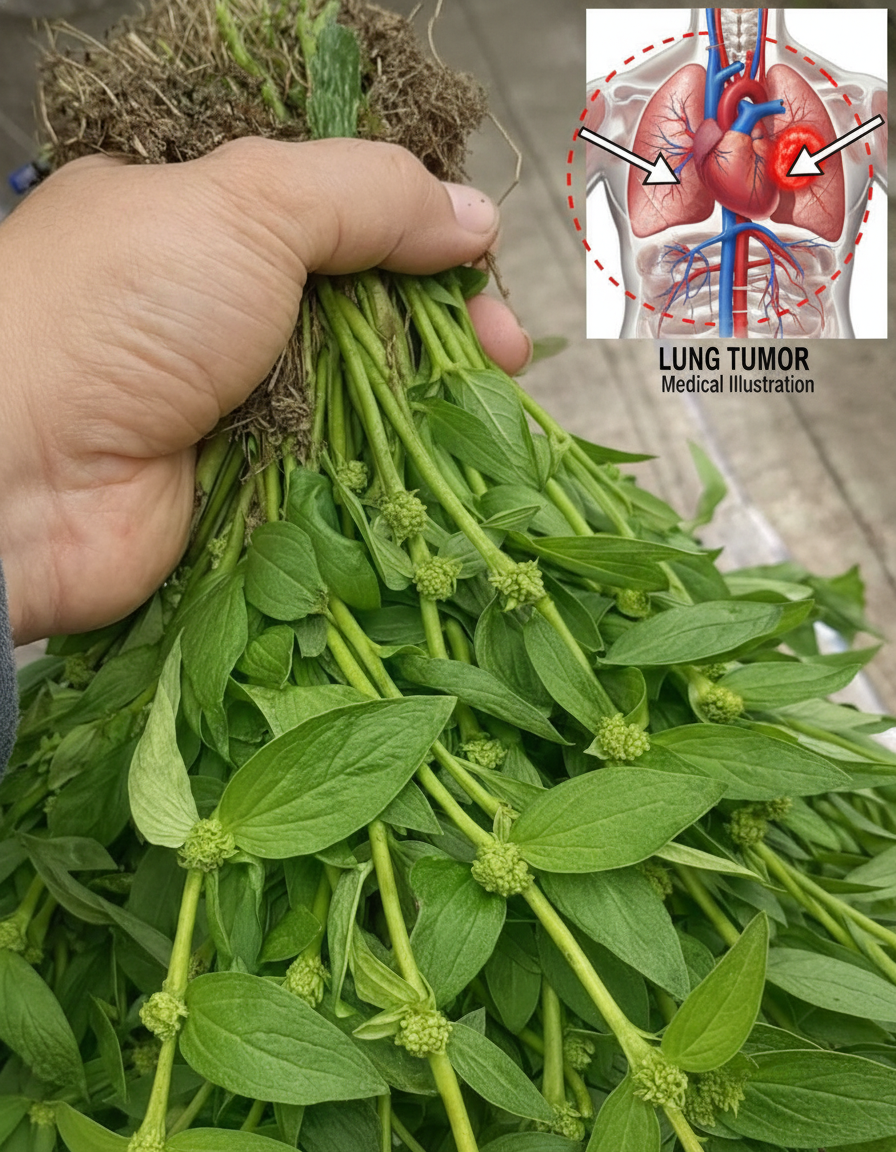
Prioritizing Safety: Avoiding Misidentification and Contamination
Before considering any herbal remedy, safety must be the foremost concern. If you contemplate harvesting plants yourself, extreme caution is advised.
Risks of Roadside Harvesting
Plants collected from roadsides can harbor:
- Residues from vehicle emissions and pollution
- Drift from agricultural pesticides
- Contamination from animal waste
- Elevated levels of heavy metals (contingent on soil composition)
What is the Safer Alternative?
Should you wish to explore Euphorbia hirta, it is highly recommended to seek out reputable suppliers of dried herbs that adhere to fundamental quality control standards, rather than resorting to unpredictable roadside collection.
Important Caution Regarding the Euphorbia Family
Many species within the Euphorbia genus produce a milky sap (latex) that can cause irritation to the skin, eyes, and mucous membranes. While Euphorbia hirta is traditionally used, individual sensitivities can vary significantly. Please pause and review the following list carefully—avoid using Euphorbia hirta unless explicitly advised by a qualified healthcare professional if you:
- Are pregnant or currently breastfeeding.
- Suffer from chronic lung conditions (such as COPD or uncontrolled asthma).
- Have diagnosed kidney or liver disease.
- Are taking blood thinners, diabetes medications, or immunosuppressants.
- Are simultaneously using multiple herbal products.
- Intend to administer herbs to children.
A Gentle Approach: Preparing Euphorbia hirta Tea for Respiratory Comfort
This preparation is rooted in traditional practice and is intended solely for comfort support, not as a medical treatment for any condition.
Euphorbia hirta Infusion (Herbal Tea)
What You Will Need:
- 1–2 teaspoons of dried Euphorbia hirta (preferred over fresh, unknown harvest)
- 1 cup (240 ml) of hot water (boiled and then allowed to cool for 1–2 minutes)
- A mug with a lid or a small covered pot
- Optional additions: honey (if tolerated), a small squeeze of fresh lemon juice
Step-by-Step Preparation:
- Place the dried herb into your mug or pot.
- Carefully pour the hot water over the herb.
- Cover the container and allow it to steep for 8–10 minutes.
- Strain the infusion thoroughly (this is important for both texture and ease of consumption).
- Sip slowly while the tea is still warm.
Common Usage Guidelines:
Begin by consuming ½ cup once daily for 1–2 days to assess your individual tolerance. If well-tolerated, some individuals choose to consume 1 cup daily for a brief period, typically a few days.