 By admin
 While many are familiar with castor oil, the plant from which it originates, Ricinus communis, holds a far richer history. For centuries, across diverse cultures in Africa, Asia, and parts of South America, the leaves and seeds of the castor plant have been integral to traditional wellness practices. These communities harnessed various components of the plant for supporting skin health, aiding digestion, enhancing hair care regimens, and contributing to overall vitality.
However, a significant oversight exists in contemporary discussions: most resources predominantly highlight castor oil, often neglecting or misrepresenting the traditional applications of its leaves and raw seeds. This knowledge gap can unfortunately lead to improper usage, the spread of inaccuracies, or a failure to utilize this potent plant responsibly.
The good news is that by understanding the historical wisdom surrounding castor leaves and seeds – and critically, recognizing where caution is paramount – you can approach their potential benefits with greater awareness and safety. As we delve deeper, we’ll also reveal a crucial safety principle, often overlooked, that outweighs any perceived advantage.
Understanding the Castor Plant (Ricinus communis)
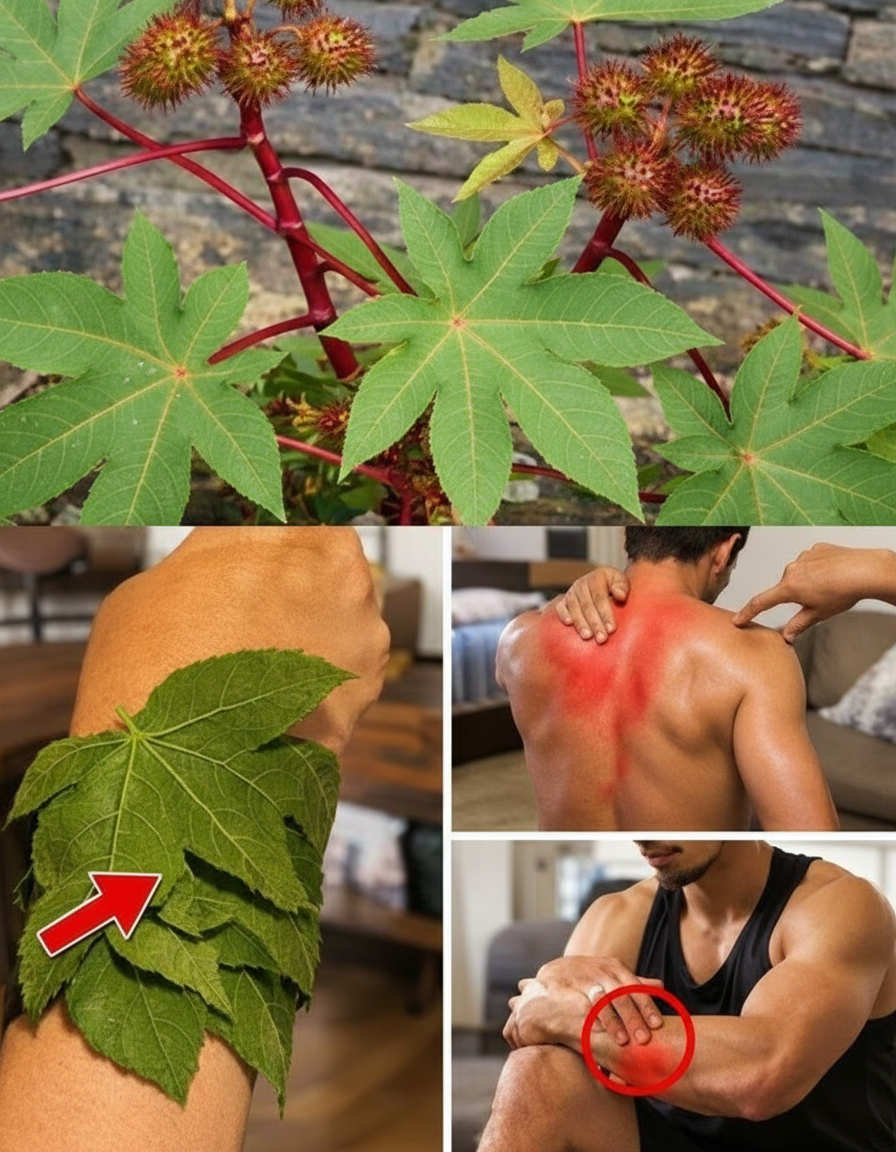
The castor plant, scientifically known as Ricinus communis, is a rapidly growing botanical marvel distinguished by its large, vibrant green leaves and distinctive spiny seed pods. Flourishing predominantly in warm climates, it has been a cornerstone of traditional healing and folk traditions for hundreds of years.
To fully appreciate its utility, it’s vital to differentiate between its key components:
- Leaves: Traditionally employed topically, often as compresses or poultices, and occasionally prepared as teas in specific cultural practices.
- Seeds: The source from which castor oil is extracted. Crucially, raw castor seeds must never be ingested due to their inherent toxicity.
- Castor Oil: A widely recognized processed product, celebrated for its applications in cosmetics, dermatological care, and various traditional remedies.
Scientific inquiry reveals that the primary active compound in castor oil is ricinoleic acid. This unique fatty acid is extensively researched for its remarkable moisturizing and anti-inflammatory properties. However, it is imperative to reiterate that the raw seeds contain ricin, a potent toxin. This makes meticulous preparation and precise usage not just important, but absolutely essential for safety.
With this foundational understanding, let’s now explore the traditional benefits attributed specifically to castor leaves.
Traditional Benefits and Uses of Castor Leaves
Throughout history, castor leaves have been revered for their versatile applications in traditional medicine, primarily for external use. Here are some of their documented historical uses:
1. Topical Comfort and Soothing Support
In numerous traditional healing systems, castor leaves are frequently prepared as warm compresses or poultices and applied to the skin. This method has been historically favored for providing temporary relief and comfort to joints or muscles, particularly after physical exertion or strain.
- The Rationale: Emerging research indicates that certain plant compounds present in castor leaves may contribute to a localized soothing effect when applied topically, a sensation often enhanced by warmth.
- Traditional Preparation:
- Fresh castor leaves are gently boiled.
- Allowed to cool until comfortably warm (not hot).
- Applied externally to the affected skin area, typically secured with a clean cloth.
2. Supporting Minor Skin Recovery
For generations, castor leaves have played a role in folk practices aimed at assisting the skin’s natural healing process for minor abrasions or insect bites. Many plants utilized in traditional medicine are valued for their inherent compounds that can help maintain a clean and healthy skin environment when correctly applied.
- Application Method:
- Leaves are crushed to create a paste.
- Applied externally to the affected area.
- Loosely covered with a clean dressing or bandage.
- Strictly for minor, superficial skin concerns.
3. Promoting Menstrual Comfort
Certain cultural traditions advocate for placing warmed castor leaves on the lower abdomen during menstruation. The primary aim of this practice is to foster relaxation and alleviate discomfort. This application aligns with the modern understanding that localized heat therapy can effectively promote muscle relaxation, offering comfort during menstrual cycles.
- Important Precaution: This is a strictly external application. It should never be considered a substitute for professional medical advice or treatment for severe menstrual symptoms.
4. Castor Leaf Tea: A Traditional Practice with Essential Caution
While some traditional wellness systems do incorporate castor leaf tea into their rituals, this particular use demands significant caution. Experts in research and safety strongly advise:
- Preparation methodologies for such teas are highly inconsistent.
- Standardized dosages are non-existent.
- Internal consumption is generally not recommended without explicit guidance from a qualified health professional.
If considering this practice, it should be approached with extreme conservatism and only after thorough consultation with a healthcare provider knowledgeable in herbal medicine.
5. Traditional Approaches to Skin Cleanliness
Castor leaves have also been traditionally applied externally to areas of the skin prone to fungal issues or irritation. The rationale behind this ongoing practice stems from the belief that certain natural plant compounds can contribute to maintaining a clean epidermal surface when used appropriately.
However, it is paramount to understand that fundamental principles like proper hygiene and accurate identification of the plant material are far more critical than the leaf itself in achieving desired outcomes.
Castor Seeds and the Power of Castor Oil: Benefits and Safety
A Crucial Safety Advisory
Before exploring further, it is absolutely vital to reiterate: Raw castor seeds must NEVER be ingested. These seeds contain ricin, a highly potent and dangerous toxin. All recognized safe and beneficial applications of castor derive solely from properly processed castor oil, not from the raw seeds themselves.
Now, let’s delve into some of the widely acknowledged traditional applications of castor oil.
1. Castor Oil as a Traditional Digestive Stimulant
One of castor oil’s most historically recognized uses is as a potent laxative. Traditionally, a small, measured dose of castor oil has been employed to stimulate bowel movements and relieve occasional constipation. Its efficacy in this regard is largely attributed to ricinoleic acid, which interacts with receptors in the intestinal lining to promote contraction and movement.
- Important Note: While traditionally used, castor oil should be used as a laxative only under medical supervision due to its strong effects and potential for side effects. Prolonged or improper use can lead to dependency or electrolyte imbalances.
The Ultimate Safety Insight: Always Prioritize Professional Guidance
While traditional knowledge offers valuable perspectives on the uses of castor leaves and processed castor oil, the most significant and often overlooked safety rule is paramount: Always consult a qualified healthcare professional or an expert in herbal medicine before incorporating any part of the castor plant, or indeed any potent herbal remedy, into your wellness routine.
This is especially critical if you are pregnant, breastfeeding, managing pre-existing health conditions, or taking other medications. Self-diagnosis and self-treatment of serious ailments can lead to adverse outcomes. Understanding the plant’s history is empowering, but responsible use, guided by professional advice, is the cornerstone of safe and effective herbal practice.
Conclusion
The castor plant, Ricinus communis, is a fascinating and powerful botanical with a rich tapestry of traditional uses extending far beyond its well-known oil. From soothing topical applications of its leaves to the historical digestive benefits of its processed oil, its versatility is undeniable. However, the presence of ricin in raw seeds underscores the critical importance of understanding proper preparation and usage. By respecting both the historical wisdom and modern safety guidelines, individuals can approach the potential benefits of castor leaves and oil with informed caution and responsibility.