 By admin
 Beyond the Bin: Exploring Eggshells for Enamel Health and a Brighter Smile
Many individuals experience a degree of self-consciousness due to the dull or yellowish tint of their teeth, particularly when captured in photographs or during social interactions. This common concern often leads people to seek out various methods to enhance their smile. But what if a humble kitchen discard, something you typically throw away, held potential for your daily oral care regimen?
Research has begun to delve into how certain natural materials, rich in essential minerals, might contribute to maintaining both the health and aesthetic appearance of tooth enamel. Continue reading to uncover a gentle, natural method involving eggshells that some individuals are integrating into their habits—and why it could be a valuable consideration as part of a comprehensive approach to oral wellness.
Why Teeth Gradually Lose Their Natural Luster
While teeth are initially characterized by a naturally pearlescent white shade, the enamel—the robust outer protective layer—is susceptible to discoloration and wear over time. Several common factors contribute to this process:
- Pigmented Foods and Beverages: Regular consumption of items like coffee, tea, red wine, and certain berries can leave stains on the enamel surface.
- Smoking: Tobacco products are notorious for causing significant yellowing and staining.
- Aging: As we age, the outer enamel layer naturally thins, revealing more of the yellowish dentin beneath.
- Acidic Exposure: Highly acidic foods and drinks can gradually erode the enamel, making teeth appear duller and more susceptible to stains.
Crucially, tooth enamel does not regenerate on its own. Once stains become ingrained or minor erosion occurs, teeth can adopt a yellower hue. This is precisely where targeted remineralization strategies become important. These approaches aim to support the enamel’s mineral content, helping it remain strong, smooth, and more resistant to future discoloration.
Scientists have investigated various natural sources of calcium and other minerals for their potential to bolster enamel health. Eggshells, composed of approximately 95% calcium carbonate, have garnered significant interest in laboratory research for their promising remineralization effects.
The Scientific Perspective: Eggshells and Dental Health
Eggshells represent a remarkably rich and bioavailable source of calcium. When meticulously prepared, powdered eggshells offer calcium that, according to some in-vitro studies, may aid in the recovery of the enamel surface following challenges like acid exposure or even certain bleaching treatments.
For instance, scientific investigations published in reputable journals, including the Journal of International Oral Health, have explored eggshell powder (sometimes refined into nano-hydroxyapatite forms) and its impact on enamel microhardness and surface roughness. These controlled studies frequently demonstrate a positive remineralizing potential, suggesting a capacity to help restore mineral content without the need for harsh synthetic chemicals.
However, it’s vital to understand that this research does not imply eggshells will dramatically “whiten” teeth on their own in the same way professional bleaching agents do. Any perceived enhancement in brightness often stems from two combined effects: gentle abrasion that helps remove superficial surface stains, and the mineral support that contributes to smoother enamel. A smoother surface naturally reflects light more effectively, creating an appearance of increased brightness.
Important Note: These findings are predominantly derived from laboratory-based or preliminary studies. They are not extensive, large-scale human clinical trials that conclusively prove everyday, dramatic whitening results. It is crucial to regard natural methods as supplementary support for optimal oral hygiene, not as substitutes for established and proven dental care practices.
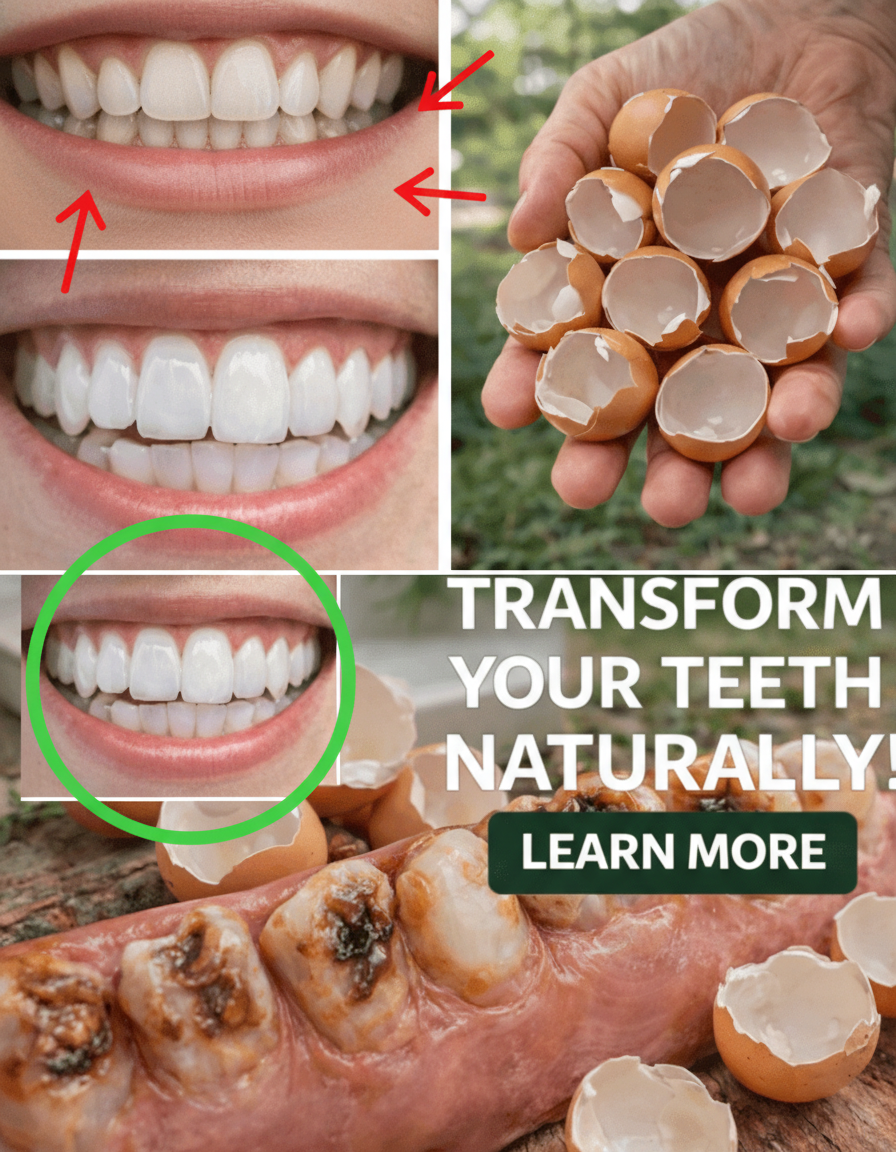
Advantages of Integrating Natural Oral Care Elements
Embracing natural components in your oral care routine can be both empowering and economically sensible. Here are some key reasons why individuals are drawn to methods like using eggshell powder:
- Abundant Natural Calcium: Provides a natural source of calcium, which is vital for supporting and strengthening tooth enamel.
- Gentle Abrasive Action: When finely powdered and used correctly, it may offer a mild polishing effect, assisting in the gentle removal of surface stains.
- Environmentally Friendly: Offers a sustainable way to repurpose kitchen waste, reducing the need for commercially produced alternatives.
- Cost-Effective: Utilizes a resource that is readily available and inexpensive for most households.
Nevertheless, it is essential to set realistic expectations: individual results will vary significantly. Furthermore, the excessive or improper use of any abrasive material, including eggshell powder, carries the risk of damaging tooth enamel. Therefore, moderation, meticulous preparation, and correct application techniques are paramount.
Step-by-Step Guide: Safely Preparing and Using Eggshell Powder
If you are intrigued by the potential of incorporating this natural approach as an occasional supplement to your existing oral hygiene routine, please adhere to these careful preparation and usage steps. Remember, this is not intended as a daily toothpaste replacement; use it sparingly (ideally no more than 1-2 times per week) to prevent potential over-abrasion of your enamel.
- Gather Clean Eggshells: Opt for organic or free-range eggshells if possible, as they may contain fewer contaminants. Thoroughly rinse the shells immediately after cracking eggs to remove any residual egg white.
- Sterilize the Shells: Place the rinsed eggshells in boiling water for approximately 5-10 minutes. This crucial step helps to eliminate any bacteria and ensures the removal of the inner membrane residue.
- Ensure Complete Drying: After boiling, either air-dry the shells completely or bake them at a low temperature (around 200°F / 93°C) for 10-15 minutes until they are entirely dry and brittle.
- Grind to a Fine Powder: Utilize a coffee grinder, spice grinder, or a mortar and pestle to pulverize the dried shells into an exceptionally fine powder. The finer the consistency, the gentler the application will be on your enamel.
- Proper Storage: Store the prepared eggshell powder in an airtight jar or container in a cool, dry place to maintain its quality and prevent moisture absorption.
To Use:
- Mix a very small quantity (approximately 1/4 teaspoon) of the fine eggshell powder with your regular toothpaste, or combine it with a drop of water or coconut oil to form a smooth paste.
- Brush your teeth gently for 1-2 minutes, focusing on soft, circular motions rather than aggressive scrubbing.
- Rinse your mouth thoroughly with water afterward.
- Conclude your oral care routine with your normal brushing and flossing.
Pro Tip: Always perform a patch-test on a small, inconspicuous area of your teeth first. Discontinue use immediately if you experience any sensitivity, discomfort, or adverse reactions.
Quick Glance: Eggshell Powder for Oral Wellness
To summarize the key characteristics of incorporating eggshell powder into your oral care:
| Method | Key Ingredient | Potential Benefit | Main Risk/Drawback | Frequency Suggestion |
|---|---|---|---|---|
| Eggshell Powder | Calcium carbonate | Mineral support for enamel, gentle polishing for surface stains | Risk of abrasion if not finely ground; potential bacterial contamination if not properly sterilized | 1-2 times per week (maximum) |