 By admin
 Unlock Healthy Nails: Your Essential Guide to Natural Nail Fungus Prevention at Home
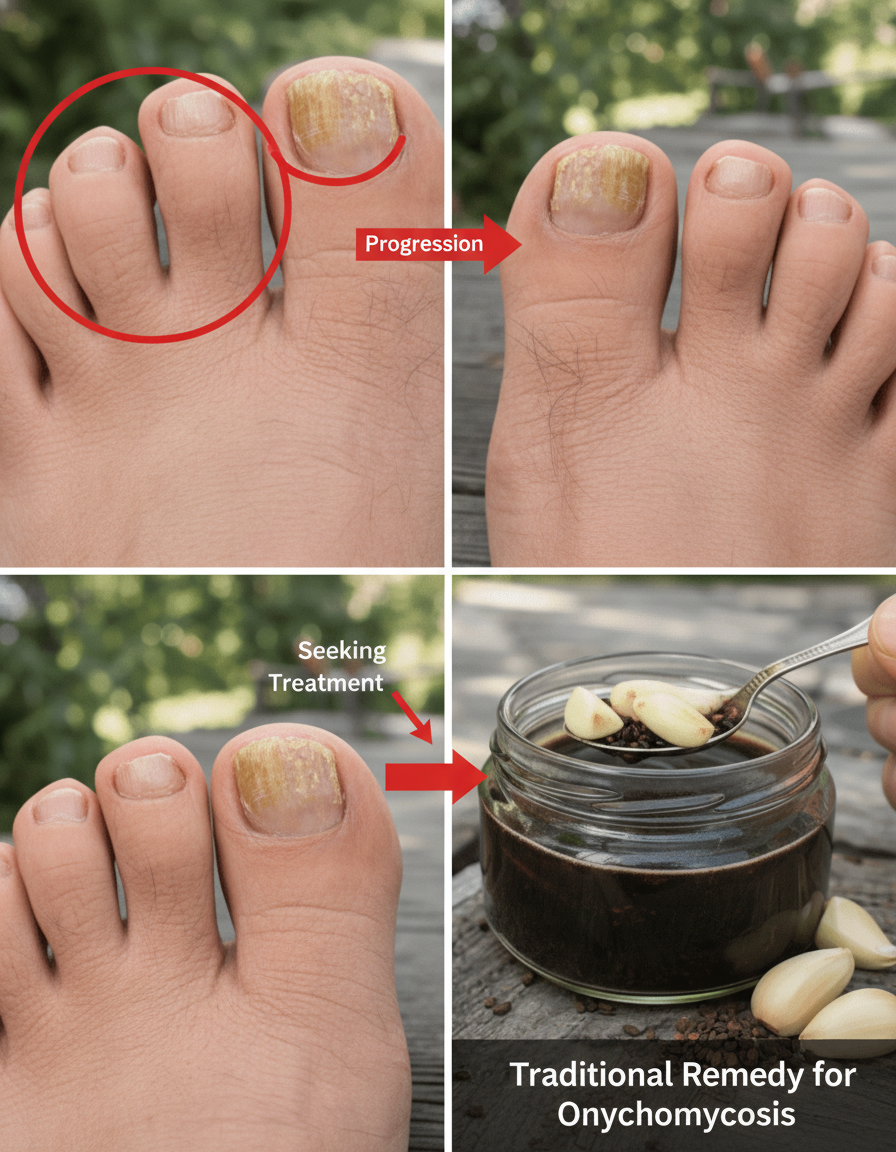
Nail fungus, medically known as onychomycosis, can be an incredibly persistent and disheartening condition. Characterized by thick, discolored, and brittle nails, it often leads to self-consciousness about exposing your hands or feet. This fungal infection thrives in warm, moist environments, frequently initiating through minor skin breaks or after exposure in public areas like showers and pools, or from shared grooming tools. Once established, it can linger for months or even years, proving challenging to eradicate.
The encouraging news? Many simple, everyday habits and home practices can significantly diminish your risk of developing nail fungus or experiencing its recurrence. By embracing these natural strategies, you can foster healthier nails without exclusively relying on medical treatments. This guide will walk you through practical, evidence-informed approaches to safeguard your nails naturally. Plus, make sure to read to the end for a surprising everyday kitchen combination that many individuals endorse for extra preventative support.
Understanding Nail Fungus and Why Prevention Matters
Onychomycosis, or nail fungus, is a widespread condition affecting millions globally. It typically begins as a small white or yellow spot under the nail tip, potentially progressing to cause thickening, crumbling, or separation from the nail bed. Fungi, particularly dermatophytes, flourish in damp, warm conditions—such as those created by sweaty shoes or prolonged hand moisture. Research from esteemed institutions like the Mayo Clinic underscores that the primary focus of prevention should be on maintaining dry, clean, and protected nails. While no method can guarantee complete immunity, consistent adherence to these habits dramatically lowers your susceptibility.
Key Daily Habits to Help Keep Nail Fungus at Bay
Building a robust defense against fungal infections starts with these fundamental daily practices:
- Maintain Impeccable Hygiene: Wash your hands and feet daily with a gentle soap and water, ensuring they are thoroughly dried afterward, paying special attention to the areas between your toes. Persistent moisture is a prime catalyst for fungal growth.
- Practice Proper Nail Trimming: Always cut your nails straight across, then gently file the edges smooth to prevent sharpness or snags. Shorter nails offer fewer hidden spots for debris and potential fungal pathogens.
- Opt for Breathable Footwear: Select shoes crafted from natural, ventilating materials such as leather, canvas, or mesh. Rotate your footwear regularly to allow pairs to fully air out and dry completely between uses.
- Embrace Moisture-Wicking Socks: Choose socks made from materials designed to draw moisture away from the skin. Change them immediately if they become damp due to sweat or activity to keep feet dry.
- Safeguard Your Feet in Public Spaces: Always wear flip-flops, sandals, or water shoes when using communal facilities like locker rooms, public showers, or swimming pool areas, where fungi are commonly found.
Smart Nail Care Practices for Long-Term Protection
Beyond daily hygiene, incorporating these intelligent nail care habits into your routine can provide long-term protection and foster resilient nails:
- Never Share Nail Instruments: Fungal spores can easily transfer via contaminated nail clippers, files, or other grooming tools. Ensure personal use or proper sterilization if sharing is unavoidable.
- Apply Antifungal Products to Footwear: Regularly use antifungal powders or sprays inside your shoes. These products help control moisture and create an environment less conducive to fungal proliferation.
- Allow Nails to Aerate: Whenever feasible, go barefoot at home or choose open-toed shoes in warmer climates. This exposure to air helps keep nails dry and healthy.
- Gently Hydrate Cuticles: Dry, cracked skin around the nails can act as an entry point for infections. Apply a mild, hydrating lotion to your cuticles, but avoid prolonged soaking of nails, which can promote moisture retention. Dermatology guidelines consistently underscore that diligent nail hygiene significantly reduces the risk of recurrence.
Exploring Natural Ingredients That May Offer Extra Support
For those seeking supplementary support, various natural ingredients, often found in the home, have garnered attention. While scientific evidence can vary and these should not replace medical consultation, some have demonstrated potential antifungal characteristics in laboratory settings:
- Tea Tree Oil: Widely recognized for its antiseptic qualities, tea tree oil is frequently mentioned in studies for its potential to inhibit fungal growth when properly diluted and applied topically.
- Vicks VapoRub: Anecdotal reports and some preliminary research suggest this common mentholated topical ointment, containing ingredients like menthol and eucalyptus oil, might offer benefits.
- Vinegar Soaks: Both apple cider vinegar and white vinegar are believed to create an acidic environment that is unfavorable for fungal proliferation when used in diluted foot soaks.
Notably, everyday kitchen items such as garlic and black pepper have also been highlighted in certain traditional health practices for their potential antifungal attributes.
A Simple Home Mixture Some People Use for Added Prevention
A traditional home remedy often cited involves a synergistic blend of crushed garlic with black peppercorns in a vinegar base. Garlic is rich in allicin, a compound with documented antifungal properties in various studies, while black pepper is thought to potentially aid in absorption or offer additional complementary advantages.
How to prepare this mixture at home (for informational purposes only):
- Begin by finely crushing 4-5 fresh garlic cloves to maximize the release of their active compounds.
- Incorporate approximately 1 tablespoon of whole black peppercorns.
- Combine these ingredients with 1 cup of either apple cider vinegar or white vinegar.
- Allow the mixture to steep in a sealed jar in a cool, dark location for a few days.
- Optionally, strain the mixture before use.
- Using a cotton swab, apply this potent, natural blend sparingly to clean, dry nails daily.
Important Safety Note: This mixture is intended for external use only. Always perform a patch test on a small skin area first to check for any adverse reactions before widespread application. Discontinue use if irritation occurs. Consult a healthcare professional before trying any home remedies, especially if you have existing health conditions, allergies, or are on medication. This information is not a substitute for professional medical advice, diagnosis, or treatment.