 By admin
 Elevate Your Legs Daily: Unlocking Powerful Health Benefits for Circulation, Swelling & More
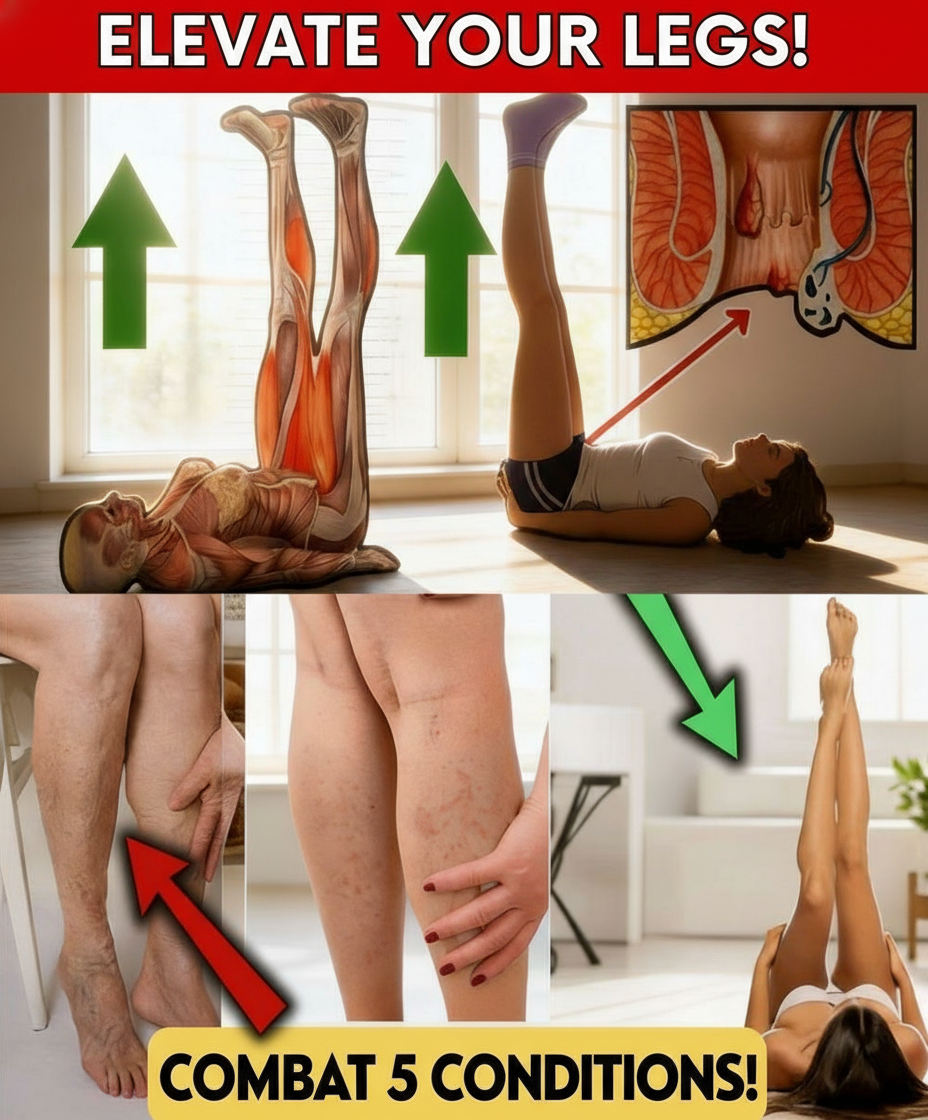
Imagine a simple, zero-cost habit that takes just 10-20 minutes a day, yet offers profound benefits for your overall health. Elevating your legs above heart level is precisely that — a remarkably effective practice for boosting circulation, significantly reducing swelling, and addressing a range of common health concerns. This technique is particularly beneficial for individuals over 40, those with sedentary desk jobs, frequent travelers, or anyone who spends extended periods standing or sitting.
While not a miraculous cure for serious illnesses, consistent leg elevation, often referred to as “gravity drainage” or “positional therapy,” provides measurable, evidence-based relief. By gently encouraging pooled blood and lymphatic fluid to flow back towards the heart, this simple act alleviates pressure in the veins and diminishes inflammation in the lower body. Supported by clinical studies and guidelines from vascular and lymphatic medicine, daily leg elevation can noticeably improve the following health conditions:
Key Health Conditions Improved by Daily Leg Elevation
-
Leg & Ankle Swelling (Edema)
Often the most immediate and noticeable benefit, leg elevation effectively combats fluid accumulation in the lower extremities. Throughout the day, gravity pulls fluid downwards, leading to puffiness. By raising your legs, you facilitate the drainage of this excess fluid back towards the heart. Many individuals report a visible reduction in swelling and puffiness within just a few days, particularly if their symptoms worsen by evening.
-
Varicose Veins & Chronic Venous Insufficiency Symptoms
For those struggling with venous issues, elevating the legs can significantly reduce pressure within the veins, easing the discomfort of aching and heaviness. Consistent practice can also help slow the progression of vein problems. Clinical studies consistently demonstrate that leg elevation notably enhances the quality of life for individuals experiencing venous disease.
-
Tired, Heavy, Achy Legs (Especially After Prolonged Standing or Sitting)
If your legs often feel like lead after a long day at work or during extended travel, gravity-assisted drainage offers substantial relief. This sensation, common among office workers, teachers, market vendors, and drivers, is dramatically alleviated as blood and fluid return more efficiently to the upper body.
-
Restless Legs Syndrome (Mild to Moderate Cases)
Many individuals with mild to moderate Restless Legs Syndrome (RLS) find that elevating their legs before bedtime reduces nighttime urges to move. This improvement is likely attributable to enhanced circulation and a decrease in nerve irritation within the lower limbs.
-
Nighttime Leg Cramps
Improved blood flow, coupled with a reduction in the pooling of metabolic byproducts like lactic acid in the muscles, frequently leads to a decrease in both the frequency and severity of nighttime leg cramps. This simple habit can contribute to more restful sleep.
-
Lower Back & Hip Discomfort (Related to Poor Circulation)
When circulation in the legs improves, there’s less compensatory strain placed on the lower back and pelvic region. Consequently, many practitioners report experiencing less morning stiffness and general discomfort in these areas.
-
Mild Hemorrhoids & Pelvic Congestion Symptoms
By reducing pressure in the pelvic veins, leg elevation can provide a measure of relief for some individuals suffering from mild hemorrhoids and symptoms of pelvic congestion.
-
Mild Lymphatic Congestion / Lymphedema Symptoms
Lymphatic fluid movement is greatly influenced by gravity and muscle activity. Raising your legs actively assists in draining excess lymph fluid from the lower body, making it a valuable practice for managing mild lymphatic congestion or lymphedema symptoms.
-
Cold Feet & Poor Peripheral Circulation
Enhanced venous return means blood flows more effectively back to the heart, leading to warmer, more comfortable feet. This benefit is particularly noticeable in cooler environments or air-conditioned spaces.
How to Practice Leg Elevation Correctly for Maximum Benefit
Achieving the best results from leg elevation depends on proper technique. Here’s how to do it right:
- Optimal Position: Lie flat on your back on a comfortable surface such as the floor, bed, or couch. Place both legs up against a wall, on a sturdy stack of pillows, or an ottoman. The key is to ensure your feet are positioned higher than your heart level. A slight bend in the knees is perfectly fine. Ideally, your hips and legs should form a 90-degree angle, or as close to it as comfortably possible.
- Duration & Frequency: Aim for 10 to 20 minutes per session, performed 1 to 3 times daily. Many people find an evening session before bed particularly effective for minimizing overnight swelling and alleviating nighttime symptoms. An additional session after lunch or work can also be highly beneficial.
- Enhancement Tips:
- Deep Breathing: Focus on deep, relaxed breathing during your session. This can further enhance lymphatic drainage.
- Ankle Pumps: Gently flex and point your toes 10-20 times while your legs are elevated. This simple exercise actively increases the circulatory and lymphatic drainage effects.
- Combine with Compression: For even greater results, consider combining daily leg elevation with the use of compression socks during the day.
Expected Results Timeline: What to Anticipate
While individual experiences may vary, most people observe a progressive improvement over time:
- Days 1–3: You may notice your legs feeling lighter in the evening, with a visible reduction in swelling by bedtime.
- Week 1–2: Expect a noticeable decrease in the sensation of heaviness or aching, especially after periods of prolonged standing or sitting.
- Week 3–4: Many report warmer feet, fewer instances of leg cramps, and an overall improvement in sleep quality.
- Month 2+: With consistent practice, you can anticipate a sustained reduction in daily discomfort and a visible decrease in puffiness.
Important Safety Notes & Precautions
While leg elevation is generally safe and beneficial, certain medical conditions warrant caution. Do NOT elevate your legs if you have any of the following:
- Uncontrolled heart failure, as elevation can potentially worsen breathing difficulties.
- A recent diagnosis of deep vein thrombosis (DVT) or a suspected blood clot.
- Severe peripheral artery disease accompanied by rest pain.
- An acute injury or fracture in the leg.
It is always crucial to consult with your doctor if you have existing heart, vascular, or kidney conditions before incorporating regular leg elevation into your routine.
Frequently Asked Questions (FAQ) About Leg Elevation
- How high do my legs really need to be for effective drainage?
- The ideal position is with your feet higher than your heart. Even a 30-45 degree elevation can be beneficial, but positioning your legs straight up a wall (near 90 degrees) provides the strongest and most efficient drainage.
- Can I elevate my legs while watching TV or using my phone?
- Absolutely! Many people find this an excellent way to integrate leg elevation into their daily routine, combining it with their evening relaxation time. Just ensure you maintain the correct position.
- Will leg elevation replace compression stockings or prescribed medical treatments?
- No, leg elevation is a complementary therapy. It should not replace compression stockings or any medical treatments prescribed by your doctor. Instead, it works synergistically with these interventions to enhance overall outcomes and provide greater relief.