 By admin
 Ginger, celebrated for its unique warmth and vibrant flavor, is a staple in culinary traditions and natural remedies worldwide. From soothing nausea to aiding digestion, its benefits are widely appreciated. However, for individuals managing specific health conditions or taking certain medications, this popular root can introduce unexpected concerns. The thought of a beloved ginger tea potentially interacting adversely with prescribed treatments or exacerbating existing symptoms can make even simple dietary choices feel complex.
Navigating these potential interactions requires clarity. Understanding when ginger’s natural properties—such as its influence on blood clotting or blood sugar levels—might necessitate caution is crucial for peace of mind. This comprehensive guide delves into nine common health scenarios where medical experts often advise limiting ginger intake or consulting a healthcare professional beforehand. Equip yourself with these insights to make informed decisions about your well-being.
Why Ginger Requires Caution in Specific Health Situations
The therapeutic power of ginger stems from its active compounds, particularly gingerol. While these compounds are responsible for many of ginger’s celebrated health benefits, they also exert notable physiological effects on the body. These include influencing blood coagulation, modulating blood glucose levels, and impacting digestive processes. For the majority of healthy individuals, consuming ginger in moderate culinary amounts poses minimal risk. Nevertheless, certain pre-existing health conditions or concurrent medication use can significantly amplify these effects, leading to undesirable outcomes.
It’s common for individuals to feel apprehensive when they suspect ginger might be contributing to their symptoms or interacting with their treatment plans. Leading health authorities frequently highlight potential interactions and underscore the importance of personalized medical advice. Disregarding ginger’s potent effects in vulnerable populations could inadvertently complicate health management. Let’s explore the first scenario where caution is paramount.
⚠️ Situation 1: Bleeding Disorders or Anticoagulant Medications
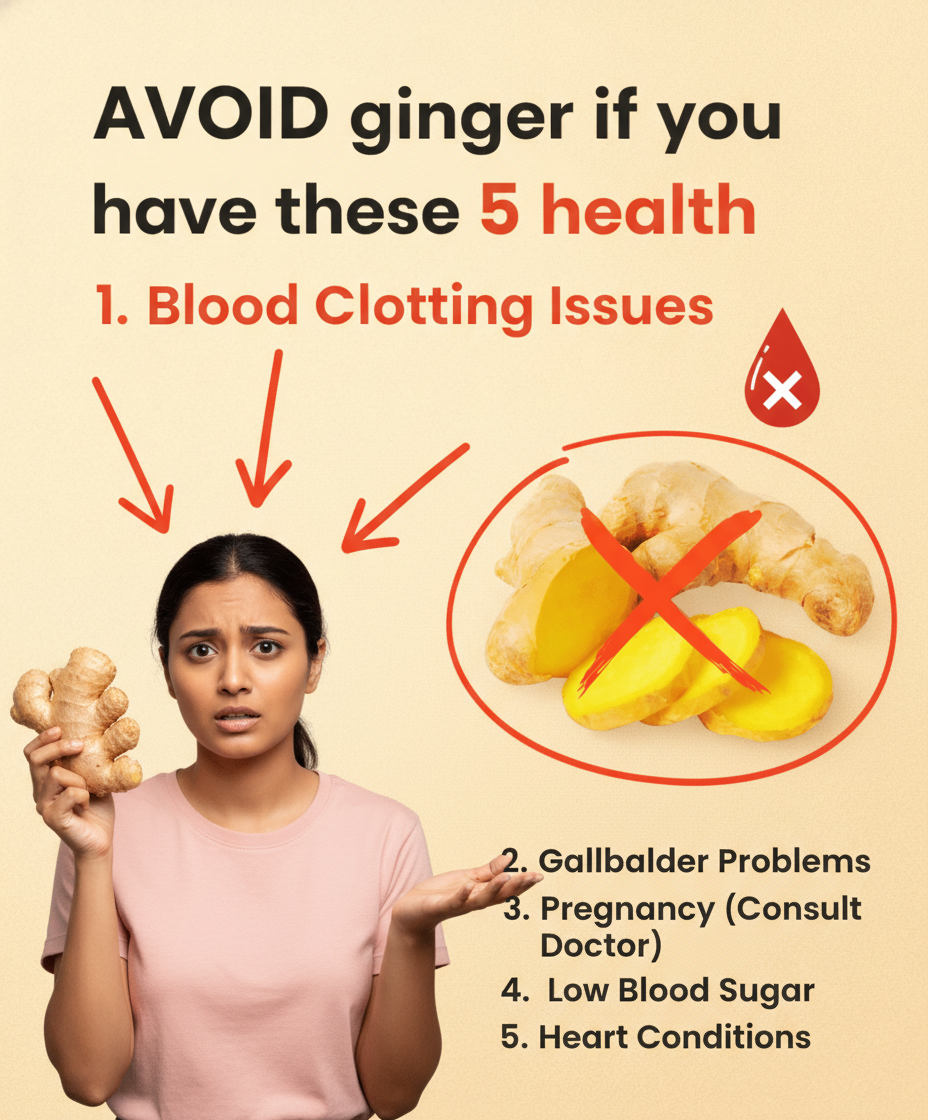
Ginger possesses natural antiplatelet properties, meaning it can inhibit blood clotting. For individuals with existing bleeding disorders, such as hemophilia, or those taking blood-thinning medications like warfarin, clopidogrel, or even aspirin, combining ginger can significantly elevate the risk of bleeding. This interaction might manifest as increased bruising, nosebleeds, or prolonged bleeding from cuts. If you’re already managing a condition that affects blood clotting, introducing ginger without professional guidance could intensify concerns about hemorrhagic complications.
Practical step: Always consult your healthcare provider about any ginger consumption, especially if you have a bleeding disorder or are on anticoagulant therapy, to ensure safe monitoring.
⚠️ Situation 2: Prior to Surgical Procedures
Given ginger’s inherent blood-thinning capabilities, its consumption can heighten the risk of excessive bleeding during and after surgical operations. Medical and professional guidelines routinely recommend discontinuing ginger supplements, and often even high amounts of ginger in the diet, for a period of at least one to two weeks before any scheduled surgery. The pre-operative period is inherently stressful; adding potential complications from herbal interactions can exacerbate anxiety unnecessarily.
Important tip: It is crucial to inform your entire surgical and medical team about all herbal remedies, supplements, and even regular consumption of ginger tea, well in advance of your procedure.
⚠️ Situation 3: Diabetes Management
Ginger has been observed to possess hypoglycemic effects, meaning it can lower blood glucose levels. For individuals managing diabetes, particularly those on insulin or oral antidiabetic medications, consuming ginger can lead to an unexpected and potentially dangerous drop in blood sugar (hypoglycemia). This interaction could destabilize carefully managed glucose control and trigger symptoms like dizziness, confusion, or weakness, significantly disrupting daily life. Maintaining stable blood sugar is paramount in diabetes care, and ginger’s influence can complicate this balance.
How to approach: Meticulously monitor your blood sugar levels if you consume ginger, and always consult your doctor or endocrinologist before increasing your ginger intake or incorporating it regularly into your diet.
⚠️ Situation 4: Hypotension (Low Blood Pressure)
Certain compounds found in ginger act as vasodilators, meaning they can relax and widen blood vessels. For individuals already susceptible to low blood pressure (hypotension), consuming ginger might cause a further decrease in blood pressure readings. This can manifest as symptoms such as dizziness, lightheadedness, fainting spells, or fatigue, making routine daily activities challenging and even unsafe. When low blood pressure is a persistent concern, adding ginger without caution could worsen these symptoms.
Guidance: Regularly track your blood pressure and seek professional medical advice regarding ginger consumption if you experience hypotension.
⚠️ Situation 5: Gallbladder Conditions or Gallstones
Ginger is known to stimulate the production and flow of bile from the gallbladder. While this can be beneficial for digestion in healthy individuals, it can pose a risk for those with pre-existing gallbladder issues, especially if gallstones are present and obstructing bile ducts. Increased bile production could potentially trigger sudden discomfort, severe pain, or even a gallbladder attack in such circumstances. Although scientific evidence on this interaction varies, anecdotal reports from affected individuals often highlight worsened symptoms. The acute distress of a gallbladder flare-up is significant, and avoiding known or suspected triggers like ginger can offer considerable relief.
Alternative consideration: If you have gallbladder concerns, discuss gentler digestive aids like peppermint tea with your doctor before trying them.
⚠️ Situation 6: Specific Cardiac Conditions
For individuals with certain heart conditions, ginger consumption warrants careful consideration. Ginger has the potential to influence heart rate and rhythm, and it may also interact with various cardiac medications, including those prescribed for arrhythmias (irregular heartbeats) or blood pressure regulation. While not universally problematic, some medical experts advise particular caution for patients with underlying cardiovascular diseases. Given the profound emotional and physical impact of heart health concerns, preventing avoidable side effects from dietary choices is paramount.
Step forward: It is absolutely essential to discuss any regular ginger use or supplementation with your cardiologist or primary healthcare provider to ensure it doesn’t interfere with your heart condition or medications.
⚠️ Situation 7: During Pregnancy (Particularly High Doses/Supplements)
Ginger is a commonly sought-after natural remedy for morning sickness during pregnancy, and moderate amounts used in cooking are generally considered safe by many experts. However, consuming ginger in high doses, especially through concentrated supplements, has raised theoretical concerns in some research studies regarding potential effects on fetal development or uterine contractions. While definitive evidence is often debated, the principle of caution prevails. Pregnancy is a period of significant change and uncertainty for expectant mothers, and clear guidance on dietary choices can contribute to greater peace of mind.
Safe practice: It is advisable to limit ginger intake to small, culinary amounts and, crucially, to always discuss any use of ginger, particularly supplements, with your prenatal healthcare provider or obstetrician.
⚠️ Situation 8: Acid Reflux or Gastroesophageal Reflux Disease (GERD)
Paradoxically, while ginger is often praised for its digestive benefits, it can sometimes exacerbate symptoms of acid reflux or heartburn in sensitive individuals. This is because ginger has been observed to relax the lower esophageal sphincter (LES), the muscle that acts as a barrier between the esophagus and the stomach. When the LES relaxes too much, stomach acid can more easily flow back into the esophagus, leading to increased burning sensations and discomfort. Many individuals report a noticeable increase in heartburn symptoms, especially with higher or more frequent ginger consumption. Given that nighttime reflux can already severely disrupt sleep and overall quality of life, adding a potential trigger like ginger might intensify these issues.
Option: If you experience reflux, consider testing very small amounts of ginger to gauge your tolerance, or opt to avoid it altogether in favor of other soothing alternatives, after consulting with your doctor.
Making Informed Choices About Ginger
Ginger is undoubtedly a powerful natural ingredient with a host of health benefits. However, as with many potent natural remedies, understanding its potential interactions and contraindications is vital for safe consumption. By being aware of these eight specific health conditions, you can make more informed choices about incorporating ginger into your diet or supplement regimen.
Always remember that personalized medical advice is irreplaceable. If you have any underlying health conditions, are taking medications, or are pregnant, it is imperative to consult your doctor or a qualified healthcare professional before making significant changes to your diet or starting any new supplement, including ginger. Your health and peace of mind are worth this proactive approach.