 By admin
 Debunking the Garlic Teeth Whitening Myth: Protect Your Enamel & Discover 7 Safe, Science-Backed Ways to a Dazzling Smile in 14 Days
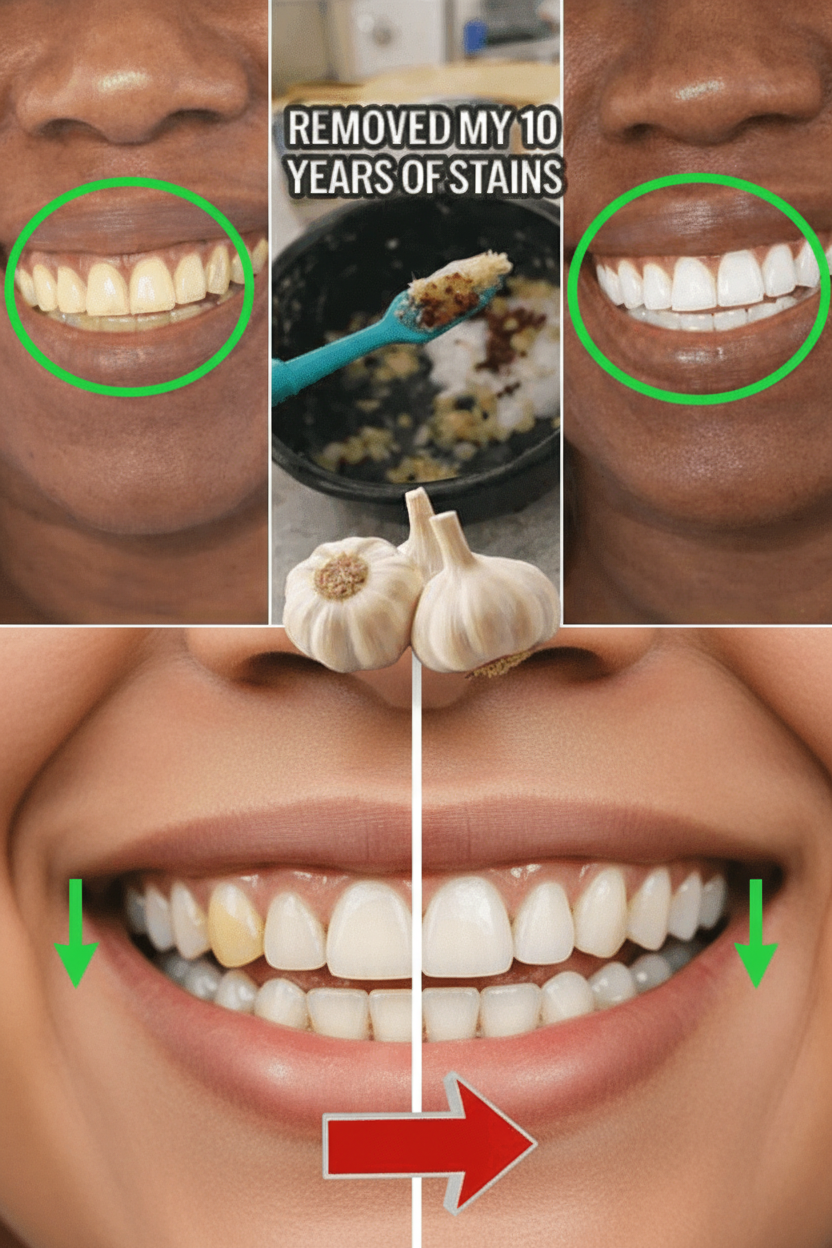
In the digital age, it’s easy to encounter viral “hacks” promising miraculous results, and one such trend suggests using garlic for teeth whitening. You might have seen compelling social media posts advocating for rubbing garlic directly on your teeth for “instant whiteness” or mixing it with baking soda for a “Hollywood smile.” The underlying premise often cites garlic’s sulfur compounds or allicin as natural bleaching agents capable of erasing stubborn stains. While the appeal of a quick, inexpensive, and seemingly natural remedy is understandable, the reality is a stark contrast to these claims. To be unequivocally clear: garlic does NOT whiten teeth. In fact, directly applying it to your dental enamel is one of the quickest routes to irreversible damage and long-term oral health issues. This comprehensive guide will delve into why this harmful myth persists, reveal the actual consequences for those who attempt it, and present 7 safe, dentist-approved, and scientifically validated alternatives that genuinely deliver noticeable teeth whitening results within just 1-2 weeks.
Why the Garlic Teeth Whitening Myth Persists
- Misinterpretation of Historical Use — For centuries, garlic has been recognized for its antibacterial properties and used in traditional medicine as a mouth rinse, beneficial for gum health and combating bad breath. However, this valid use for oral hygiene was often mistakenly conflated with the ability to whiten teeth, leading to a significant misunderstanding.
- Fleeting Optical Illusion — When fresh garlic juice is applied, it can temporarily dehydrate the tooth surface and remove minor superficial debris. This might create a momentary perception of brighter teeth for a few hours. Crucially, this effect is short-lived and quickly overshadowed as the underlying enamel damage becomes apparent.
- The Social Media Effect — The rapid spread of this myth is significantly fueled by social media platforms. Unverified “before and after” photos, often blurry, manipulated with dramatic lighting, or digitally edited, create a deceptive illusion of miraculous transformation. A single viral video can trigger a cascade of imitations, amplifying the misinformation across the internet.
The Damaging Reality: What Happens When You Apply Garlic to Your Teeth
- Irreversible Enamel Erosion — Garlic is inherently acidic, with a pH typically ranging from 5.5 to 6.5. Furthermore, it contains allicin, a compound known to be corrosive when applied directly and left on dental enamel. Consistent application softens and progressively thins this vital protective layer, ultimately leading to teeth appearing more yellow over time as the underlying, naturally yellowish dentin becomes increasingly visible.
- Heightened Dental Sensitivity — As the enamel erodes, the microscopic tubules within the dentin become exposed. This exposure leads to acute, sharp pain or discomfort when consuming hot, cold, or sweet foods and beverages.
- Elevated Risk of Cavities — Compromised enamel significantly weakens your teeth’s natural defenses. This allows harmful bacteria and acids to penetrate deeper layers of the tooth structure much more rapidly, drastically increasing your susceptibility to decay and cavities.
- The Bad Breath Irony — While garlic does possess some antibacterial properties that can target certain oral bacteria, the irony is that the potent sulfur compounds it releases create an incredibly strong, pervasive garlic odor. This distinct smell can linger for an extended period, often 24 to 72 hours, far outweighing any perceived benefit.
- Gum Irritation and Chemical Burns — Direct contact with raw garlic juice can be highly irritating to delicate oral tissues. It’s known to cause chemical burns on the gums and the inner lining of the cheeks, manifesting as redness, painful swelling, and even ulcers.
Leading dental professionals and reputable organizations worldwide, including the American Dental Association (ADA), the World Dental Federation (FDI), and various dental journals like the British Dental Journal, have consistently issued strong warnings against this dangerous trend. What is often promoted as a “natural” whitening hack is, in truth, nothing more than a recipe for significant enamel destruction and compromised oral health.
7 Safe, Scientifically Proven Methods for a Brighter, Healthier Smile in 14 Days
Instead of risky home remedies, turn to these proven, gentle, and dentist-recommended approaches to achieve a noticeably whiter smile. For accelerated results, you may consider combining a few of these methods.
Baking Soda & Hydrogen Peroxide Paste (Limited Use: 1-2 times/week)
- Create a thick paste by combining 1 teaspoon of baking soda with 2-3 drops of 3% hydrogen peroxide and a small amount of water. Gently brush your teeth with this mixture for 1-2 minutes, then rinse your mouth thoroughly.
- This combination effectively and safely lifts surface stains. Due to its abrasive nature, it should only be used once or twice a week at most to prevent potential enamel wear. Expect to see visible whitening results within 3-7 days.
Professional Whitening Strips or Low-Peroxide Gels (Daily or Bi-Daily)
- Opt for dentist-approved brands such as Crest 3D Whitestrips, Colgate Optic White, or Snow, which contain a safe concentration of 6-14% hydrogen peroxide or carbamide peroxide. Apply or wear these products for 30-60 minutes daily over a period of 7-14 days as directed.
- Users typically observe visible whitening within 3-14 days, often achieving a noticeable improvement of 1-4 shades lighter.
Activated Charcoal or Bentonite Clay Powder (Limited Use: 1-2 times/week)
- Lightly dampen your toothbrush and dip it into activated charcoal or bentonite clay powder. Brush your teeth very gently for 1-2 minutes, then rinse your mouth meticulously until all residue is gone.
- These natural powders work by binding to and absorbing surface stains from common culprits like coffee, tea, and red wine, offering a less abrasive alternative to some conventional methods. Expect to see initial whitening effects within 5-14 days.
Coconut Oil Pulling (Daily for 10-15 minutes)
- Upon waking, take one tablespoon of virgin coconut oil and swish it around your mouth for 10-15 minutes. It’s crucial to spit the oil into a trash can, not down the drain, to avoid plumbing issues.
- This ancient Ayurvedic practice is believed to reduce plaque buildup and harmful oral bacteria, contributing to a cleaner, subtly brighter appearance of your teeth. Visible whitening effects are generally subtle but accumulate over 7-21 days of consistent use.
Strawberry & Baking Soda Mash (Limited Use: 1-2 times/week)
- Mash 1-2 ripe strawberries thoroughly and mix with ½ teaspoon of baking soda to form a paste. Apply this mixture to your teeth and leave it on for 2-5 minutes, then rinse your mouth thoroughly.
- The malic acid in strawberries acts as a gentle exfoliant for surface stains, while baking soda provides a mild polishing action. This natural method offers mild but noticeable whitening within 7-14 days.
Diluted Apple Cider Vinegar (ACV) Rinse (Maximum 1 time/week)
- Combine 1 teaspoon of raw, unfiltered apple cider vinegar with 250 ml (approximately 1 cup) of water. Swish this diluted solution around your mouth for no more than 30 seconds, then rinse your mouth thoroughly with plain water.
- While ACV can help break down and remove surface stains, its acidic nature means it should be used very sparingly – ideally no more than once a week – to prevent enamel erosion. When used cautiously, subtle whitening may be observed within 7-14 days.
Professional-Grade Home Whitening Kits (LED Light + Gel)
- Explore reputable brands such as Snow, HiSmile, or AuraGlow, which typically feature a safe concentration of 6-9% peroxide gel combined with an LED activating light. These kits are designed for safe and effective home use. Follow the instructions for 10-30 minute sessions daily over 7-14 days.
- These advanced systems often yield significant visible whitening, with users reporting 1-5 shades lighter teeth within 3-14 days.
Essential Safety & Best Practice Guidelines
To safeguard your dental health, it is paramount to never apply raw garlic, onion, lemon, or undiluted vinegar directly to your teeth. These substances are highly acidic and corrosive, posing a significant risk of severe and irreversible enamel damage. Always adhere to product instructions for commercial whitening treatments and consult your dentist if you experience sensitivity or have concerns about your oral health.