 By admin
 Understanding Nocturia: Effective Strategies to Reduce Nighttime Urination and Improve Sleep Quality
Waking up repeatedly throughout the night to use the bathroom can be incredibly disruptive, leaving you feeling groggy and unrefreshed the following day. This common condition, known medically as nocturia, frequently interrupts the deep, restorative sleep essential for your body’s recovery and well-being. While many attribute it solely to excessive fluid intake before bed or an aging bladder, contemporary research reveals that the dynamics of fluid movement within the body—particularly the redistribution of fluid from the legs—often play a significantly larger role than previously understood. The encouraging news is that practical, everyday adjustments to your circulation and daily habits can substantially diminish these nocturnal interruptions, paving the way for more profound and peaceful sleep.
Key Takeaways for Managing Nighttime Urination
- Frequent nighttime bathroom visits are often linked to how bodily fluids shift when transitioning from an upright to a horizontal position, rather than just bladder capacity or evening beverages.
- Enhancing leg circulation and supporting hormonal balance during the evening hours can lead to a noticeable improvement in your sleep quality.
- Simple pre-bedtime routines, strategic fluid timing, and supportive measures like compression garments can empower your body to manage fluids more efficiently overnight.
The Hidden Mechanism: How Fluids Redistribute When You Lie Down
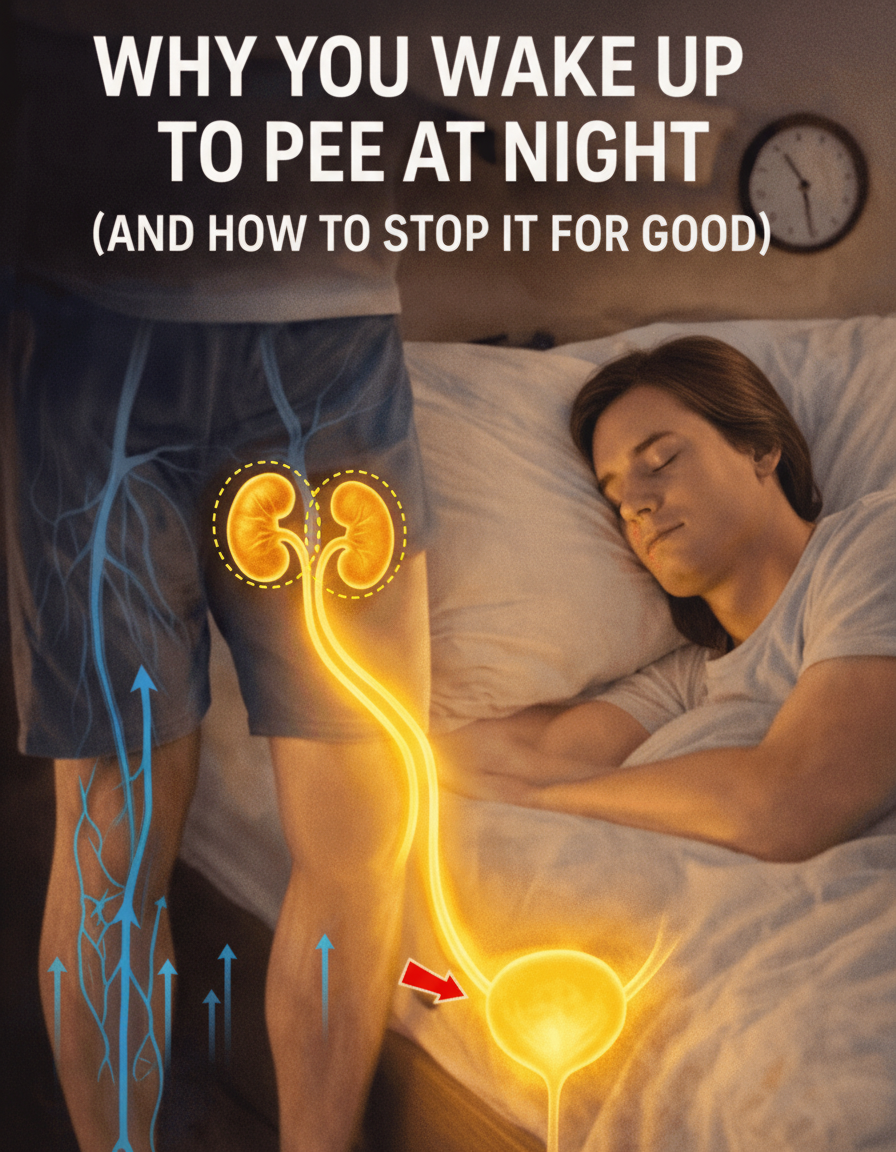
Throughout the day, gravity naturally pulls fluids downwards, often resulting in accumulation in the lower legs and ankles. This phenomenon, known as dependent edema, is particularly common after extended periods of sitting or standing. Studies on fluid dynamics confirm that when you finally recline horizontally at night, this stored fluid gradually re-enters your general circulation. Your kidneys then begin to process this increased volume, leading to a surge in urine production and a quicker bladder fill-up than usual. This nocturnal fluid shift is a primary explanation for why many individuals feel the urge to urinate, even after a moderate fluid intake in the evening. However, this isn’t the complete picture…
Your Calf Muscles: The Body’s Natural Pump for Enhanced Circulation
The muscles in your calves serve a crucial function, often referred to as your “second heart.” These muscles contract rhythmically to propel blood and other fluids upwards, actively counteracting the force of gravity. When these muscles remain inactive for prolonged periods—such as during desk work, long commutes, or travel—fluid tends to pool more significantly in the lower extremities. Research consistently underscores how activating this ‘calf muscle pump’ effectively supports venous return, thereby reducing the overnight fluid overload that your kidneys must process. Incorporating these simple movements before bedtime can make a substantial difference:
- Ankle Pumps: While seated or lying down, gently point your toes up towards your shins and then down away from you, mimicking the action of pressing a car pedal. Repeat this motion 30–60 times.
- Heel Raises: Stand tall and slowly rise onto the balls of your feet, lifting your heels, then gradually lower back down. Perform 10–20 repetitions.
- Leg Circles or Bicycle Motions: Lying on your back, gently cycle your legs in the air, as if pedaling a bicycle, for 30–60 seconds.
These exercises encourage fluid to return from your legs while you are still awake and upright, allowing your body’s systems more time to adjust and process the fluid before you settle down for sleep.
Hormones at Play: ADH and Nighttime Bladder Control
Your body naturally increases the production of antidiuretic hormone (ADH) during the night. This hormone plays a vital role in concentrating urine and reducing its overall volume, thereby helping you maintain uninterrupted sleep. Nevertheless, when a sudden influx of fluid from the legs reaches the kidneys, it can temporarily overwhelm this delicate hormonal regulatory system. Studies suggest that proactively addressing leg fluid buildup can support the body’s natural hormonal balance, potentially leading to a significant reduction in nocturnal awakenings.
A Quick Evening Routine to Support Fluid Balance
Consider dedicating just 10 minutes before bed to this straightforward sequence. Many find it not only effective but also a calming ritual:
- Elevate Your Legs: Prop your legs up on several pillows or against a wall for 3–5 minutes. This simple action uses gravity to encourage fluid drainage upwards.
- Ankle Pumps While Elevated: While your legs are elevated, gently circle or flex your ankles to further promote fluid movement.
- Gentle Leg Movements: Incorporate light scissor kicks or foot flexes to provide additional muscle activation.
- Finish with Calf Raises: Briefly stand and perform a set of heel raises to help squeeze out any remaining fluid from your lower legs.
Consistent application of this routine can significantly assist your body in processing fluids more uniformly throughout the day and night.
Timing Your Fluids and Mindful Evening Choices
Optimal hydration is crucial for overall health, but when you consume fluids is key to managing nocturia. Aim to drink the majority of your daily fluids earlier in the day—from morning through the afternoon—allowing your kidneys ample time to process and clear any excess before bedtime. It’s advisable to limit substantial fluid intake within 2–3 hours of going to sleep. Furthermore, be conscious of diuretic beverages such as caffeine, certain teas, or alcohol in the evening, as these can notably increase urine output. If you take magnesium supplements, consider consuming the bulk of your dose earlier in the day rather than right before bed, as higher doses taken late may stimulate bladder activity in some individuals.
Compression Support for Daily Fluid Management
For those who experience noticeable leg swelling or discomfort after long days of standing or sitting, graduated compression socks or stockings can be an invaluable aid. By applying gentle, consistent pressure, these garments effectively support your veins and significantly reduce fluid accumulation in the lower extremities. Many find it beneficial to wear them during the afternoon or evening for added support. Look for knee-high styles with mild to moderate compression ratings for optimal results.