 By admin
 Have you ever experienced unexplained tingling in your fingertips or a persistent burning sensation in your feet? It’s easy to dismiss these peculiar feelings as minor annoyances—perhaps a temporary consequence of an awkward sleeping position or simply a part of the aging process. Yet, these subtle, often ignored discomforts can significantly disrupt your daily life, hinting at a more profound issue beneath the surface. These are frequently among the early warning signs of nerve damage, and overlooking them can lead to more complex health challenges down the road.
What if you could recognize these crucial indicators of nerve damage sooner, enabling you to take proactive steps before symptoms escalate and become harder to manage? This comprehensive guide aims to equip you with a clear understanding and a practical checklist of symptoms that many individuals wish they had known earlier, empowering you to safeguard your nerve health.
Why Recognizing Early Nerve Damage Symptoms Is Crucial
Think of your body’s nervous system as an intricate, high-speed electrical network, transmitting vital signals for everything from sensation and movement to automatic bodily functions like digestion and heart rate. When this delicate system sustains damage – often triggered by underlying conditions such as diabetes, vitamin deficiencies, autoimmune disorders, or physical injury – these critical signals become disrupted. This disruption leads to a cascade of confusing and often debilitating symptoms.
A common pitfall is to brush off initial early warning signs of nerve damage as mere “wear and tear” or transient discomfort. However, studies reveal that conditions like peripheral neuropathy impact millions globally. Prompt identification of these symptoms isn’t just about understanding what’s wrong; it’s about enabling timely intervention that can significantly alter the course and management of the condition. Persistent, unexplained sensations can profoundly affect sleep quality, work performance, and overall quality of life. The undeniable truth is that early detection of nerve damage allows for a more accurate diagnosis of the root cause, paving the way for effective treatment strategies.
Subtle Sensory Changes: The Initial Indicators of Nerve Damage
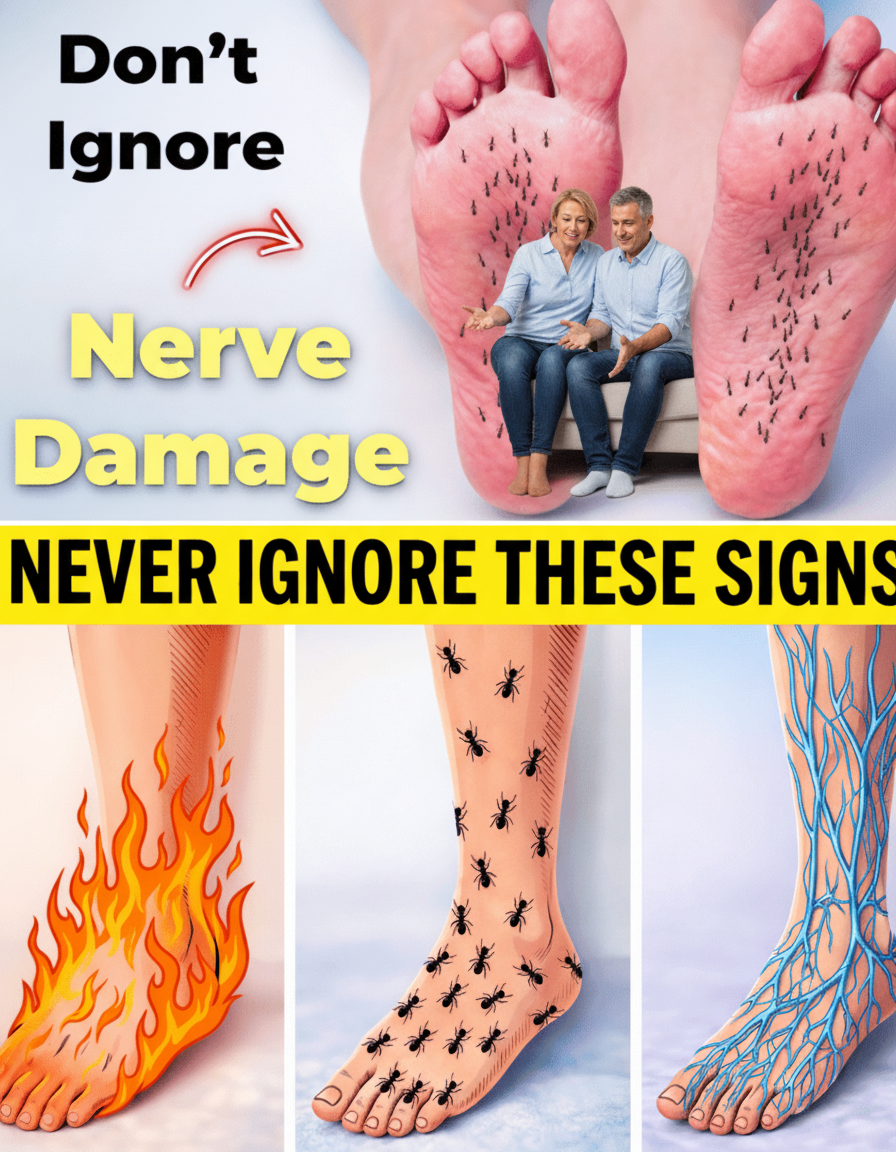
Often, the first indications of nerve damage manifest as sensory changes, typically starting in the extremities – your hands and feet. This distinctive progression is commonly referred to as a “stocking-glove” pattern, as symptoms spread inwards from the fingers and toes. Initially, these early signs of nerve damage might seem indistinct and easy to disregard, yet they gradually intensify, making daily comfort increasingly elusive.
- Tingling or Pins-and-Needles Sensations: Experiencing that familiar “falling asleep” sensation in your hands or feet, even without any awkward positioning, is a prevalent early indicator of nerve damage. This occurs when damaged nerves misfire, sending confused signals to the brain, transforming a fleeting annoyance into a persistent and distracting discomfort.
- Burning Pain, Especially at Night: A persistent, intense burning sensation in your feet or hands, frequently exacerbated during nighttime hours, can severely disrupt sleep and lead to chronic fatigue. This characteristic symptom is a significant early warning sign of nerve damage, often pointing to the involvement of small nerve fibers, and should not be mistakenly attributed solely to muscle fatigue.
- Intermittent Numbness: A disconcerting loss of sensation, often described as patches of your toes or fingers feeling “dead” or unresponsive, is another critical early symptom of nerve damage. A particularly concerning aspect of numbness is the increased risk of unnoticed minor injuries, cuts, or burns, which can lead to more serious complications if left unaddressed.
- Sharp, Electric-Shock-Like Pains: Unpredictable, sudden jolts of pain, often likened to a lightning strike or an electric shock, can be startling and debilitating. These sporadic bursts are strong indicators of nerve damage, signifying irritated nerves that are misfiring erratically.
- Heightened Sensitivity to Touch (Allodynia): When even the lightest touch—such as the brush of clothing or bedsheets—elicits excruciating pain, this condition is known as allodynia. It’s a recognized and distressing early warning sign of nerve damage. This extreme sensitivity can make routine daily activities profoundly uncomfortable, leading to significant emotional and physical exhaustion.
By recognizing these initial sensory changes, you’re already taking a crucial step towards understanding your body’s signals. Let’s delve deeper into how nerve damage can impact other vital, automatic functions.
Autonomic Changes: Unseen Impacts on Daily Comfort
Beyond the more commonly recognized sensory symptoms, nerve damage can also silently affect the autonomic nervous system. This vital system controls involuntary bodily functions such as heart rate, blood pressure, digestion, and temperature regulation. When autonomic nerves are compromised, it can lead to a range of subtle yet disruptive early warning signs of nerve damage that often feel “off” without an apparent explanation.
- Unusual Sweating Patterns: Experiencing excessive sweating in certain areas while noticing a lack of perspiration in others indicates a disruption in the body’s natural temperature regulation. This seemingly minor but significant early warning sign of nerve damage often goes unaddressed until it begins to interfere with comfort during everyday activities.
- Difficulty Regulating Body Temperature: Persistent feelings of being excessively cold in your hands and feet, or experiencing unexplained flushing and heat, signal that your autonomic nerves are struggling to maintain a stable body temperature. These particular nerve damage symptoms can contribute to significant daily discomfort and frustration.
- Dizziness or Lightheadedness Upon Standing (Orthostatic Hypotension): Experiencing sudden lightheadedness, dizziness, or a noticeable drop in blood pressure when transitioning from sitting or lying down to standing is known as orthostatic hypotension. This is a key early warning sign of nerve damage impacting the nerves responsible for blood vessel control. The associated fear of falling can transform routine movements into anxiety-inducing challenges.
- Persistent Digestive Issues: Symptoms such as chronic bloating, constipation, unusually slow digestion, or feeling full prematurely can arise when the nerves controlling gut function are compromised. These often-overlooked symptoms are crucial early indicators of nerve damage, yet they are frequently misattributed solely to dietary factors.
- Bladder Control Changes: Experiencing difficulties in completely emptying your bladder, frequent urination, or a sudden, overwhelming urge to urinate are significant and concerning early warning signs of nerve damage affecting the pelvic nerves. These issues can severely impact quality of life and warrant medical attention.