 By admin
 Understanding Early Menopause: 10 Key Signs and Essential Next Steps
For many women navigating their 30s and 40s, unexpected changes in their monthly cycle, sudden episodes of intense warmth, or persistent, unexplained fatigue are often dismissed as mere consequences of daily stress or a hectic lifestyle. However, these seemingly minor shifts can sometimes be indicators of early menopause or Premature Ovarian Insufficiency (POI). This condition signifies a decline in ovarian function significantly earlier than the average menopausal age of 51.
Research reveals that POI impacts approximately 1% of women under 40, and early menopause, defined as occurring before age 45, could affect up to 12% of women worldwide. This means a substantial number of individuals may be experiencing these changes without realizing their underlying cause until symptoms become more pronounced. The challenge lies in how easily these crucial signs are overlooked, potentially leading to long-term health implications, particularly concerning bone density and cardiovascular health. By the end of this comprehensive guide, you’ll gain a clearer understanding of what symptoms to monitor and practical strategies to discuss with your healthcare professional.
Why Menopause May Occur Sooner Than Anticipated
The intricate dance of hormonal shifts doesn’t always adhere to a standard schedule. A variety of factors can trigger the ovaries to reduce estrogen production earlier than expected. These can include genetic predispositions, specific autoimmune disorders, certain medical interventions like chemotherapy or radiation, or sometimes, the cause remains unexplained. Leading organizations such as the American Society for Reproductive Medicine emphasize that this premature decline in ovarian function is not uncommon. Yet, many women frequently disregard these initial indicators, viewing them as transient issues. This oversight can unfortunately lead to missed chances for proactive management, potentially impacting symptom relief and long-term health preservation.
10 Common Indicators of Early Menopause to Recognize
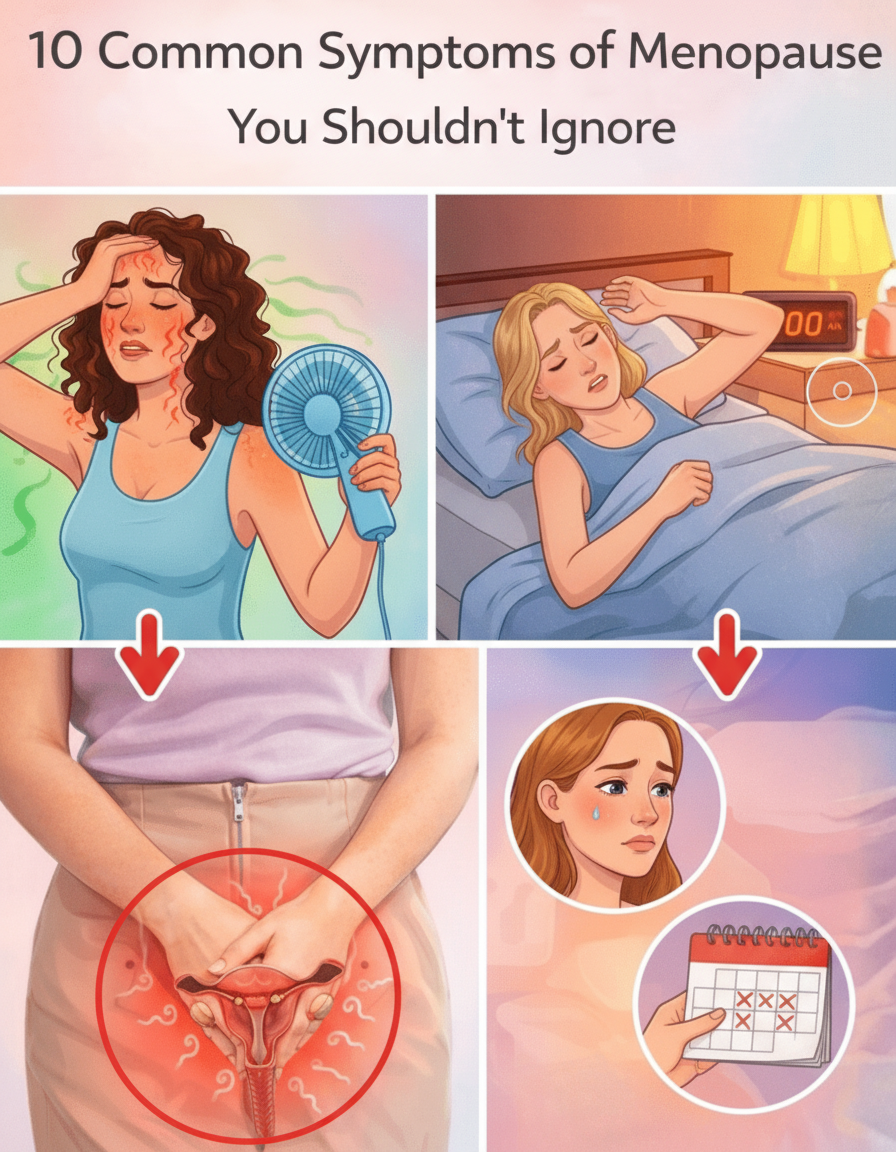
Drawing from extensive medical research and patient experiences, we’ve compiled a list of the most commonly observed signs. It’s crucial to remember that noticing one or several of these symptoms doesn’t definitively confirm early menopause; a conclusive diagnosis requires a thorough evaluation by a qualified healthcare professional.
1. Irregular Menstrual Cycles or Missed Periods
One of the earliest and most noticeable signs is a significant change in your menstrual pattern. This could manifest as cycles with unusually long intervals, completely skipped months, or unexpected spotting. These irregularities are often a direct result of fluctuating estrogen levels, which can interfere with the regular process of ovulation. For many, persistent menstrual unpredictability is the primary reason they seek medical advice.
2. Hot Flashes and Disruptive Night Sweats
Experiencing sudden, intense sensations of heat, often accompanied by flushing and profuse sweating, is a classic symptom. These hot flashes can occur unexpectedly at any point, day or night. When they happen during sleep, known as night sweats, they can severely interrupt rest, leading to feelings of exhaustion and diminished energy the following day. It’s reported that a significant majority, up to 75%, of women undergoing perimenopausal changes encounter these uncomfortable vasomotor symptoms.
3. Persistent Sleep Disturbances
Even without night sweats, difficulty falling asleep, frequent awakenings throughout the night, or waking up feeling unrefreshed despite adequate time in bed are common. These sleep problems are often linked to hormonal fluctuations that disrupt the body’s natural sleep-wake cycle, intensifying overall fatigue over an extended period.
4. Unexplained Mood Swings and Increased Anxiety
Experiencing heightened irritability, unexpected bouts of tearfulness, or an amplified sense of worry that feels uncharacteristic can be a sign. Given that estrogen plays a role in regulating brain chemistry, a decline in its levels can directly contribute to these emotional fluctuations. Many women report feeling a persistent sense of being “on edge” or more reactive than their usual selves.
5. Vaginal Dryness and Discomfort
A decrease in estrogen levels can result in the thinning and reduced elasticity of vaginal tissues. This often leads to vaginal dryness, which can make sexual intercourse uncomfortable or painful and diminish natural lubrication. These physical changes can significantly impact a woman’s confidence and intimacy within relationships.
6. Persistent and Unrelenting Fatigue
A profound and ongoing sense of low energy, even after sufficient rest, can make routine daily activities feel incredibly burdensome. This type of fatigue is not solely linked to sleep quality but is significantly influenced by the body’s overall hormonal balance, which directly impacts vitality and stamina.
7. Unexplained Joint and Muscle Aches
The onset of new or increased aches, stiffness, or soreness in various joints and muscles, often without any apparent injury, can be a symptom. Lower estrogen levels are known to affect inflammatory responses and the structural support of tissues, potentially contributing to these discomforts.
8. Brain Fog and Cognitive Difficulties
Many women report experiencing brain fog, characterized by difficulty recalling words, struggling with concentration, or experiencing frequent lapses in short-term memory. While these cognitive changes are typically temporary, they can be particularly frustrating and impactful in both professional and personal daily life.
9. Altered Urinary Patterns
A noticeable increase in urinary frequency, occasional minor bladder leaks (incontinence), or discomfort during physical activities can arise. These changes are often due to the tissues in the pelvic region becoming more sensitive and less resilient in response to declining hormone levels.
10. Changes in Libido and Sexual Desire
A significant reduction in sexual desire or diminished responsiveness can frequently accompany other physical symptoms. This shift is typically connected to the same underlying hormonal adjustments affecting the body. It’s worth noting that many of these signs can coincide with other life stressors or health conditions; therefore, meticulously tracking any patterns or changes over several months can provide crucial information for your consultation with a healthcare provider.
Potential Long-Term Health Implications of Early Menopause
The premature decline in estrogen can have significant long-term health consequences. Medical research highlights several potential increased risks that may develop over time, including:
- Decreased Bone Mineral Density: This significantly elevates the risk of developing osteoporosis, a condition characterized by brittle bones, later in life.
- Cardiovascular Health Alterations: Early estrogen loss can contribute to changes in heart health, potentially increasing the risk of certain cardiovascular diseases.
- Impact on Mood and Cognitive Function: Sustained lower estrogen levels can influence emotional well-being and cognitive abilities, potentially leading to prolonged mood disturbances or memory challenges.
Recognizing these potential risks underscores the importance of early awareness. This knowledge empowers women to engage in proactive discussions with their doctors regarding ongoing monitoring and appropriate supportive care strategies.
Immediate Practical Steps to Consider
Beginning your journey involves meticulous self-observation. Paying close attention to your body’s signals and tracking any consistent patterns is paramount. Even seemingly small habits can make a significant difference in gathering valuable information for your healthcare provider.