 By admin
 Picture yourself in a calm setting, when suddenly an intense wave of heat washes over you, leaving your skin flushed and damp, even as those around you remain perfectly cool. Such unexpected sensations, alongside subtle alterations in your menstrual cycle or energy levels, might indicate more than just daily stress. This experience could be a sign of early menopause, a condition defined as the cessation of menstruation before the age of 45. Affecting approximately 5% of women, as reported by health organizations like the Office on Women’s Health, early menopause often arrives unexpectedly, given the average age for this life stage is typically around 51. These premature hormonal shifts, if not properly managed, can significantly impact long-term health and well-being.
The encouraging news is that recognizing these patterns early empowers you to engage in more informed discussions with your healthcare provider and adopt practical lifestyle adjustments to support your body through this significant transition. This comprehensive guide will explore 10 prevalent indicators frequently associated with early menopause, providing valuable insights and actionable advice. Continue reading to discover a remarkable perspective on how diligently monitoring these changes can profoundly enhance your daily comfort and overall health.
Why Understanding Early Menopause Symptoms Is Crucial
Many women tend to view menopause as a distant event, something far off in their later years. However, the reality is that significant hormonal fluctuations, particularly declining estrogen levels, can commence much earlier than anticipated. Various factors contribute to this, including genetic predispositions, specific medical interventions (like chemotherapy or hysterectomy), lifestyle choices, or sometimes, no identifiable cause at all. When these essential hormone levels begin to shift prematurely, the body undergoes a series of changes that can profoundly impact daily comfort, sleep quality, emotional stability, and overall vitality.
Research consistently underscores the importance of promptly identifying these early indicators. Timely consultation with a medical professional is paramount, as it facilitates effective symptom management and supports crucial aspects of long-term health, such as bone density and cardiovascular well-being. Consider common scenarios: a woman in her early forties might observe her previously regular menstrual cycle becoming increasingly unpredictable, or she may frequently awaken feeling excessively warm. These occurrences are often not isolated incidents but rather components of a larger pattern that warrants investigation. The fundamental takeaway is to observe these changes attentively, without alarm, because informed awareness is the foundation for making confident, proactive health decisions.
10 Common Signs of Early Menopause to Monitor
As estrogen production begins its decline sooner than the average age, many women start to experience a range of symptoms. These indicators of perimenopause or early menopause often emerge subtly and can sometimes be mistaken for other life stressors. Therefore, it’s the consistent pattern of these changes, rather than an isolated incident, that holds greater significance for accurate recognition.
10. Irregular Menstrual Cycles: Your Period’s Shifting Rhythm
A primary and often initial indicator of impending early menopause is a noticeable alteration in your menstrual pattern. You might find your periods becoming shorter, longer, unusually heavy, surprisingly light, or even skipping for several months. Additionally, experiencing spotting between cycles or an overall unpredictable timing can lead to monthly uncertainty. Esteemed medical institutions, such as the Cleveland Clinic, identify these changes as a common early phase in the menopausal transition, directly linked to fluctuating hormone levels. Yet, this is merely one early signal; your body often provides further, more distinct clues.
9. Hot Flashes: Sudden Surges of Heat
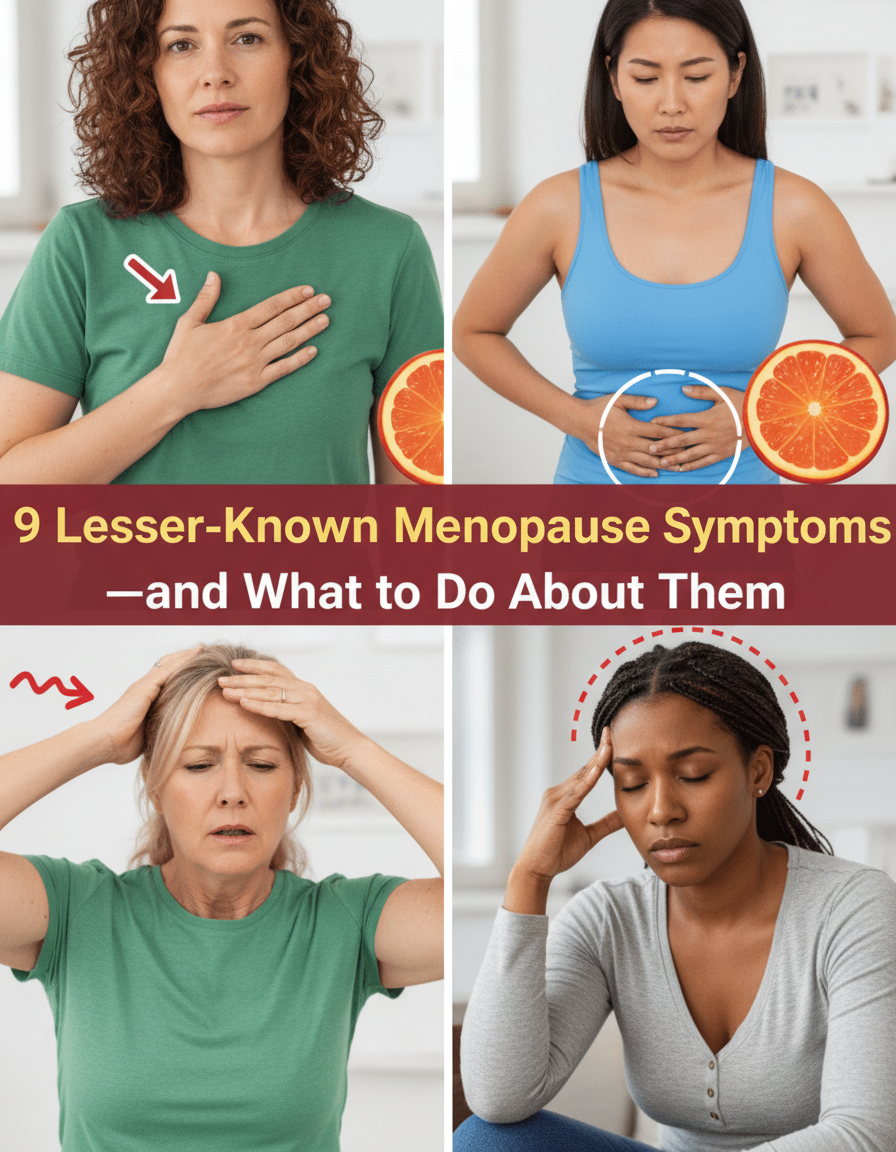
An abrupt sensation of intense warmth, typically originating in the chest and radiating upwards, is a classic sign. This can cause your face to redden and trigger profuse sweating. While these episodes generally last only a few minutes, they can significantly interrupt focus or make social interactions uncomfortable. According to numerous health assessments, up to 75% of women undergoing menopausal transitions experience these “vasomotor symptoms.” Interestingly, as daylight fades, a related symptom frequently emerges.
8. Night Sweats: Disruptive Nocturnal Perspiration
Functionally akin to hot flashes but occurring specifically during sleep, night sweats can leave pajamas and bed linens thoroughly saturated. This often results in a subsequent chill and severely fragmented sleep. Medical professionals attribute these episodes to the same underlying hormonal fluctuations, frequently causing profound exhaustion the following day, irrespective of efforts to achieve restful sleep. The consequences of such disturbed nights often impact daily life beyond just the morning.
7. Mood Swings and Emotional Volatility: A Heightened Sense of Unease
The fluctuating levels of hormones, particularly estrogen, can directly impact brain chemistry, manifesting as increased irritability, unexpected bouts of crying, heightened anxiety, or a persistent low mood that feels uncharacteristic. You might find yourself reacting disproportionately to minor irritations or feeling overwhelmed with greater ease. Research indicates that these emotional shifts are a prevalent feature of hormonal transitions and frequently improve with increased self-awareness and appropriate support. Furthermore, personal intimacy may also undergo noticeable changes.
6. Vaginal Dryness and Discomfort: Unwelcome Sensations
A decrease in estrogen levels can lead to a thinning of the vaginal tissues, diminishing natural lubrication. This often results in irritation, itching, or discomfort during routine activities and intimate moments with a partner. This symptom is frequently reported by women in perimenopause. Fortunately, the application of gentle vaginal moisturizers or open discussions with your healthcare provider can significantly alleviate these discomforts. Moreover, sleep quality often deteriorates concurrently.
5. Sleep Disturbances: Difficulty Initiating or Maintaining Sleep
Beyond the direct impact of night sweats, many women experience broader sleep disturbances. You might find yourself struggling to fall asleep, lying awake with an overactive mind, or waking up frequently throughout the night, even without the presence of hot flashes. This fragmented sleep can severely affect daytime energy and cognitive function, contributing to overall fatigue.