 By admin
 Have you ever dismissed a sudden spell of disorientation or difficulty articulating your thoughts as mere exhaustion after a demanding day? It’s a common oversight, yet such moments could be critical indicators that your brain isn’t receiving adequate blood flow. For many individuals, particularly older adults, instances of word-finding difficulty, slurred speech, or a general sense of mental fogginess are often mistaken for typical fatigue. This misinterpretation can unfortunately lead to delayed medical intervention and potentially more severe health consequences. However, these seemingly innocuous symptoms frequently signal a far more serious underlying condition, such as a stroke or transient ischemic attack (TIA – often called a ‘mini-stroke’), where timely action is paramount for optimizing recovery and minimizing long-term damage.
Why Sudden Confusion and Speech Issues Warrant Immediate Medical Attention
The natural inclination to avoid overreacting to what might appear to be a minor, transient lapse often deters individuals from seeking prompt medical help. Yet, it’s crucial to remember that stroke stands as a leading global cause of long-term disability. When the vital blood supply to the brain is suddenly compromised, brain cells begin to perish at an alarming rate. This rapid cellular death manifests as critical symptoms like acute confusion or challenges with speech, directly impacting the brain regions responsible for language processing and cognitive function. Organizations like the American Heart Association and American Stroke Association consistently emphasize that these neurological changes can strike without any prior warning. Swift identification and immediate medical intervention significantly enhance the chances of mitigating severe, long-term effects. A common pitfall is to attribute these serious signs to everyday stress or the natural aging process, inadvertently delaying life-saving care.
Distinguishing Sudden Neurological Confusion from Everyday Fatigue
While experiencing a ‘foggy brain’ after insufficient sleep or a particularly stressful period is a common occurrence, sudden and profound confusion presents itself quite differently. This includes acute difficulty comprehending others, an inability to find the right words, or a profound sense of disorientation. Such symptoms often appear abruptly and may be accompanied by other urgent warning signs. Extensive research, supported by institutions like the CDC and Cleveland Clinic, underscores that stroke-induced confusion originates from specific disruptions within brain regions, rather than simply general exhaustion. Categorizing these critical indicators as mere ‘senior moments’ can tragically postpone necessary medical care, thereby escalating the risk of irreversible brain damage. Conversely, a rapid response can be instrumental in preserving cognitive function and overall quality of life. Understanding the complete spectrum of stroke warning signs is therefore paramount.
The FAST Test: A Vital Acronym for Rapid Stroke Recognition
The American Stroke Association advocates for the straightforward FAST acronym, designed to empower anyone to quickly identify the potential signs of a stroke within moments:
- F – Face Drooping: Ask the individual to smile. Observe if one side of their face sags or feels numb. An asymmetrical smile is a classic indicator.
- A – Arm Weakness: Instruct them to raise both arms simultaneously. Does one arm drift downwards involuntarily or feel noticeably weak or numb? This symptom frequently affects one side of the body.
- S – Speech Difficulty: Request that they repeat a simple, clear phrase, such as “The sky is blue.” Is their speech slurred, garbled, or otherwise difficult to comprehend? Sudden challenges with speaking or understanding language are significant warning signs.
- T – Time to Call Emergency Services: If any of these signs manifest—even if they appear to resolve quickly—it is imperative to call emergency services immediately. Make a note of the exact time symptoms began, as time-sensitive treatments, like clot-busting medications, are most effective when administered within a narrow window of onset.
For even more comprehensive assessment, many medical professionals and public health campaigns now promote an expanded version: BE FAST, which includes Balance issues (sudden loss of balance or coordination) and Eye problems (sudden vision changes in one or both eyes).
Additional Critical Symptoms Indicating a Potential Stroke
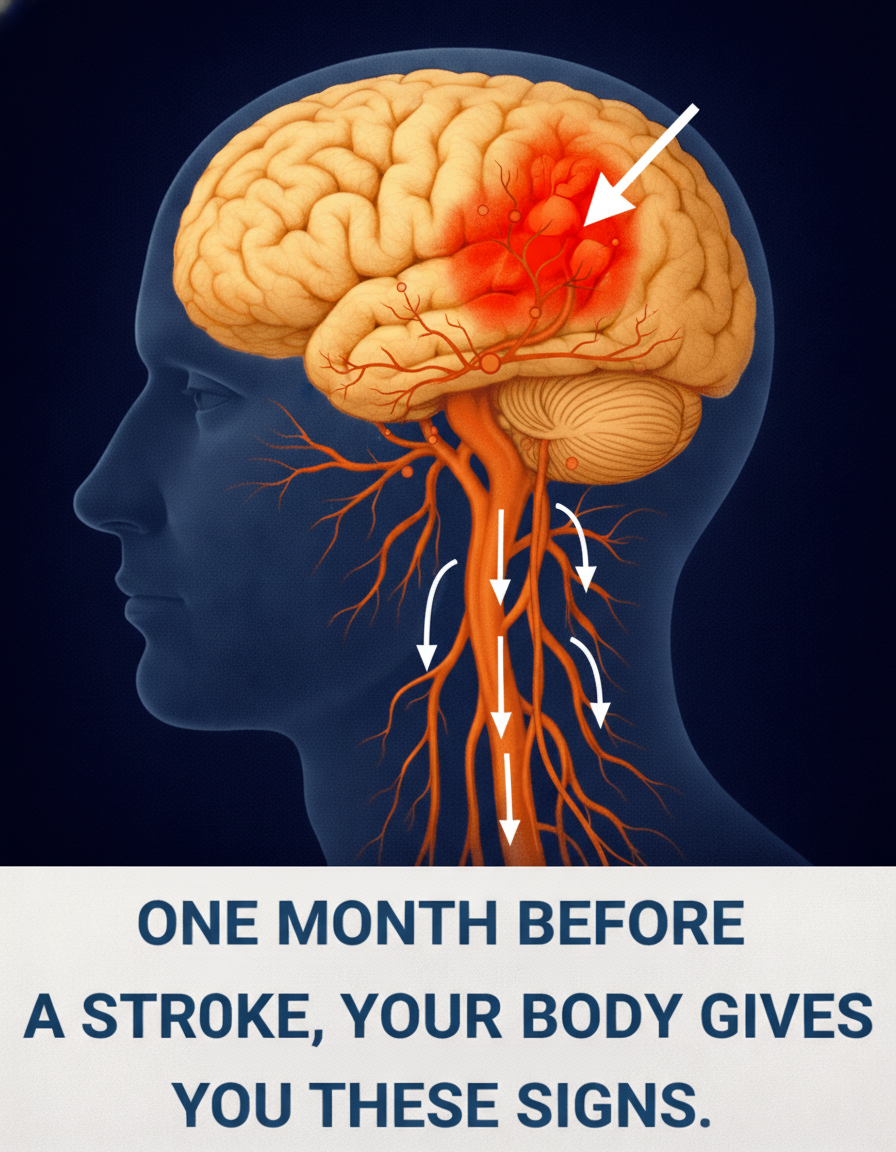
While the FAST signs are crucial, it’s vital to recognize that a stroke can also manifest through other sudden and severe changes, which may or may not accompany the primary FAST indicators:
- Sudden Numbness or Weakness: Particularly if it affects one side of the body, such as the face, an arm, or a leg.
- Abrupt Vision Problems: Including sudden blurriness, double vision, or a complete loss of sight in one or both eyes.
- Acute Dizziness or Balance Issues: Experiencing sudden dizziness, an unexplained loss of balance, or significant difficulty walking and coordinating movements.
- Sudden, Severe Headache: A “thunderclap” headache, characterized by an excruciating headache that appears abruptly with no identifiable cause, can be a symptom.
Unlike the gradual onset of fatigue, these neurological symptoms emerge suddenly and typically persist. Overlooking or delaying attention to these signs dramatically increases the risk of permanent disability and long-term health complications.
Transient Ischemic Attack (TIA): The Critical “Mini-Stroke” Warning Sign
A Transient Ischemic Attack (TIA), often referred to as a “mini-stroke,” presents with symptoms identical to a full stroke. However, these symptoms typically resolve within minutes to a few hours because the temporary blockage in blood flow to the brain clears spontaneously, usually without causing permanent brain damage detectable on imaging. Despite their transient nature, TIAs are profoundly serious events. Recent comprehensive studies, including long-term data published in the JAMA Network, unequivocally demonstrate that the risk of experiencing a full, debilitating stroke remains significantly elevated for years following a TIA. Although advancements in medical management have led to a decrease in 90-day post-TIA stroke rates in recent decades, the cumulative long-term risk persists, with some analyses indicating a 12-20% chance of a major stroke over a 5-10 year period.
Therefore, it is absolutely critical to treat a TIA as a genuine medical emergency, just as you would a full stroke. Prompt medical evaluation and intervention can initiate preventative measures such as specific medications, crucial lifestyle modifications, and ongoing monitoring, all of which are vital for averting a more severe future cerebrovascular event.
Sentinel Headaches: An Infrequent but Significant Pre-Stroke Indicator
While the majority of strokes occur without any preceding warning signs, research continues to uncover subtle potential indicators. A notable 2020 study published in The Journal of Headache and Pain highlighted that approximately 15% of individuals who experienced an ischemic stroke reported a new or significantly altered severe headache in the week leading up to the event. These are often termed “sentinel headaches.” It’s important to distinguish these from typical migraine headaches; sentinel headaches are frequently linked to other underlying conditions, such as cardiac arrhythmias. Although not a common precursor, the sudden onset of an unusual, severe headache should not be dismissed, especially if it deviates from an individual’s normal headache pattern or occurs alongside other concerning symptoms.
Recognizing and acting upon these subtle, yet potentially critical, signals can make a profound difference in outcomes. Always prioritize immediate medical consultation if you or someone you know experiences any sudden, unexplained neurological changes.