 By admin
 Discovering unwelcome signs of mice, such as small droppings on countertops or unsettling scratching noises within your walls, can quickly transform a comfortable living space into a source of stress. These persistent pests not only contaminate food storage areas and damage electrical wiring but also create unhygienic conditions that disrupt daily life. While conventional traps and harsh chemical solutions are common, many homeowners are increasingly seeking kinder, more environmentally friendly alternatives—solutions that might even originate from their own kitchen. This growing interest brings us to an intriguing natural remedy: papaya seeds. Commonly discarded after enjoying the sweet tropical fruit, these seeds are now gaining attention as a potential natural deterrent. But can this unassuming byproduct truly offer an effective method for keeping rodents at bay? Join us as we delve into the details, exploring practical ways to utilize papaya seeds and examining the anecdotal evidence surrounding this popular online suggestion.
Understanding Rodent Infestations: Why Mice Invade Our Homes
Mice are driven indoors primarily by the search for warmth, sustenance, and secure harborage, particularly as temperatures drop. Once they gain access, a small number can rapidly reproduce, leading to a significant infestation in a short period. Typical entry points for these agile creatures include tiny cracks around foundations, gaps beneath doors, openings near utility pipes, and poorly sealed vents. Their attraction to household environments is often fueled by readily available food sources like forgotten crumbs, accessible pet food, or improperly stored pantry items. The persistent nature of these pests, even after diligent cleaning, often compels homeowners to explore less conventional and non-toxic methods for prevention and removal.
Papaya Seeds: An Emerging Natural Rodent Deterrent?
The tropical papaya, celebrated for its succulent orange pulp, yields numerous small black seeds that are typically discarded. However, these often-overlooked seeds have recently gained significant traction across social media platforms and within natural home remedy communities as a potential, eco-friendly solution for deterring rodents. The underlying theory behind this trend points to specific compounds found within papaya seeds, notably benzyl isothiocyanate, a naturally occurring substance derived from glucosinolates. While scientific investigations have indeed explored the effects of these compounds on various pests and organisms in controlled laboratory and agricultural contexts—some even examining papaya seed extracts for their influence on rodent fertility or behavior in pest population management—it’s crucial to note that these studies do not directly confirm their efficacy as a home repellent.
Unlike more widely recognized natural repellents such as peppermint oil, which has considerable anecdotal backing for its potent aroma, papaya seeds lack extensive scientific validation specifically for household mouse deterrence. Nevertheless, their appeal as a simple, kitchen-sourced experiment is undeniable. Enthusiasts often share experiences of strategically placing or scattering dried papaya seeds in areas prone to rodent activity, speculating that their distinct bitter taste or pungent scent may dissuade mice from settling. This intriguing concept warrants a closer look to understand its potential and how it can be safely integrated into your pest management strategy.
The Allure of Papaya Seeds in Natural Pest Control
The appeal of papaya seeds as a natural rodent deterrent stems from their unique biochemical composition. They are packed with enzymes, such as papain, and a variety of phytochemicals that impart a distinctly sharp, peppery, and often bitter taste when ingested—a characteristic generally considered unpalatable to many creatures. Beyond household applications, studies have explored the use of ground papaya seeds in horticulture as natural soil amendments to combat specific nematodes and insects, leveraging their bioactive properties.
When considering their application for deterring mice within a home environment, the primary theoretical advantages include:
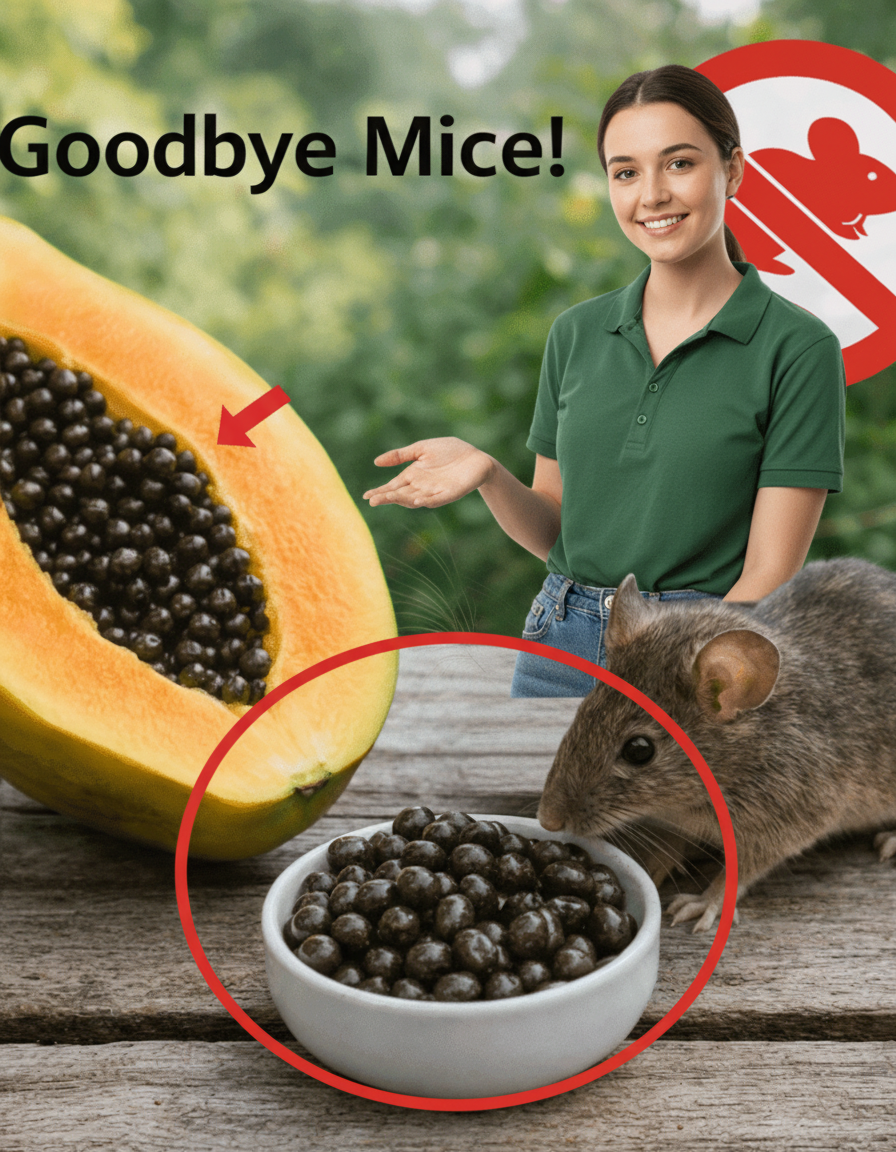
- Potent Odor and Taste Aversion: Rodents, particularly mice, heavily depend on their sense of smell and exploratory nibbling to identify potential food sources. An intensely bitter or irritating seed could potentially deter them from lingering in or consuming items from treated areas.
- Safety for Households: When utilized in their dried, scattered form, papaya seeds present a significantly lower risk to humans and household pets compared to conventional chemical rodenticides, offering a more benign option.
- Accessibility and Cost-Effectiveness: For those who regularly consume papaya, the seeds are a readily available and virtually free resource, making them an attractive, low-cost experiment.
It is vital to reiterate, however, that the efficacy of papaya seeds for direct home mouse deterrence is predominantly supported by anecdotal accounts shared online, rather than robust, large-scale scientific investigations confirming their reliability as a standalone solution. For optimal results, integrating this method with established, proactive rodent prevention strategies is highly recommended.
Foundation for Success: Essential Natural Mouse Prevention
Before experimenting with any novel deterrents like papaya seeds, it is paramount to establish and maintain fundamental rodent prevention practices. These expert-recommended strategies are crucial for long-term success in keeping your home rodent-free:
- Seal All Entry Points: Thoroughly inspect your home for any cracks, gaps, or openings around windows, doors, pipes, and vents. Seal these vulnerabilities using materials like steel wool, caulk, or weatherstripping to block access.
- Secure Food Sources: Always store pantry items, pet food, and birdseed in robust, airtight containers. Avoid leaving food out on counters.
- Maintain Impeccable Cleanliness: Promptly clean up food crumbs, spills, and any food debris from floors and surfaces. Regular sweeping and vacuuming are essential.
- Minimize Hiding Spots: Declutter basements, attics, garages, and storage areas. Reducing potential nesting sites makes your home less appealing to mice.
Implementing these foundational habits will significantly reduce the allure of your home to mice, often proving more effective than any single deterrent alone.
DIY Papaya Seed Deterrent: Preparation and Application
If you’re ready to explore the papaya seed method, follow this straightforward, step-by-step guide for preparing and deploying them effectively:
- Gather Fresh Seeds: Carefully scoop the black seeds from a ripe papaya. Rinse them thoroughly under running water to remove any lingering fruit pulp or sticky residue.
- Thoroughly Dry the Seeds: Spread the cleaned seeds in a single layer on a plate or tray. Place them in a warm, well-ventilated area or a sunny spot for approximately 2 to 3 days. Ensure they are completely dry and brittle; this crucial step prevents mold growth and facilitates easier handling and dispersal.
- Optional: Grind or Crush for Enhanced Potency: For an intensified effect, you may choose to lightly grind or crush the dried seeds. This action can release more of their pungent compounds, potentially increasing their deterrent properties.
- Strategic Placement: Once prepared, scatter the dried (and optionally crushed) papaya seeds in areas where you’ve observed mouse activity or suspect potential entry points. Common locations include behind appliances, inside unused cupboards, along baseboards, or near small crevices.
- Regular Replacement: For sustained effectiveness, replace the seeds every few weeks, or more frequently if they become damp or lose their aroma.
Remember, while this method offers a natural, non-toxic alternative, its success largely depends on consistent application and integration with robust preventative measures. Always monitor for signs of rodent activity and adjust your strategy as needed.