 By admin
 When a stroke strikes, time is of the essence. Every passing minute without adequate blood flow means irreversible damage to brain cells, significantly increasing the risk of severe, long-term disabilities. Despite this critical urgency, many individuals and their loved ones often delay seeking medical attention, frequently misinterpreting the initial symptoms as something less serious—perhaps attributing them to simple tiredness, a fleeting discomfort, or a problem too minor for emergency care. This common hesitation can have devastating consequences. By understanding the unequivocal warning signs, you can empower yourself to act decisively and swiftly. What if a single, unexpected symptom could be the key to a full recovery? Continue reading to uncover vital stroke indicators, delve into why certain signs are frequently missed, and learn the immediate steps to take.
Why is There Often a Delay in Seeking Medical Attention for Stroke?
Insights from leading health authorities, including the American Heart Association and the Centers for Disease Control and Prevention, consistently reveal that a primary factor in delayed response to stroke symptoms is a lack of certainty. Individuals frequently dismiss abrupt physical or cognitive changes, mistakenly attributing them to the natural aging process, everyday stress, or a transient health issue. Data suggests that a significant portion—up to one-third—of those experiencing a stroke fail to act promptly because they struggle to recognize the gravity of their symptoms. Furthermore, apprehension can be a powerful deterrent; many worry about overreacting or unnecessarily burdening emergency services. However, the stark truth is that stroke signs typically manifest without warning. Even a mere 30-minute delay can dramatically narrow the window for effective, life-saving interventions. Fortunately, practical instruments such as the BE FAST acronym are invaluable for early detection and promoting decisive, immediate action.
Decoding Stroke Symptoms: The Indispensable BE FAST Method
Leading medical professionals and organizations, such as the Mayo Clinic and the American Stroke Association, advocate for the BE FAST method as a rapid and effective tool for identifying potential stroke indicators. This enhanced acronym builds upon the foundational FAST framework, specifically designed to encompass a broader range of stroke presentations, particularly those impacting equilibrium and sight.
B – Balance
An abrupt onset of difficulty with balance or coordination is a critical warning. This might manifest as sudden dizziness, a feeling of unsteadiness, unexpected stumbling, or even a sensation that your surroundings are spinning. Many find this symptom perplexing as it can easily be mistaken for common issues like an inner ear infection or fluctuations in blood sugar levels.
E – Eyes
Immediate alterations in vision, including sudden blurring, developing double vision, or experiencing a complete loss of sight in one or both eyes, demand urgent attention. While individuals might initially dismiss these changes as merely requiring an updated prescription or simply being overtired, their abrupt appearance signifies a serious neurological event.
F – Face Drooping
Observe if one side of the face appears to droop or feels numb. A simple test: ask the individual to smile. If their smile is noticeably uneven, this is a quintessential sign of a stroke.
A – Arm Weakness
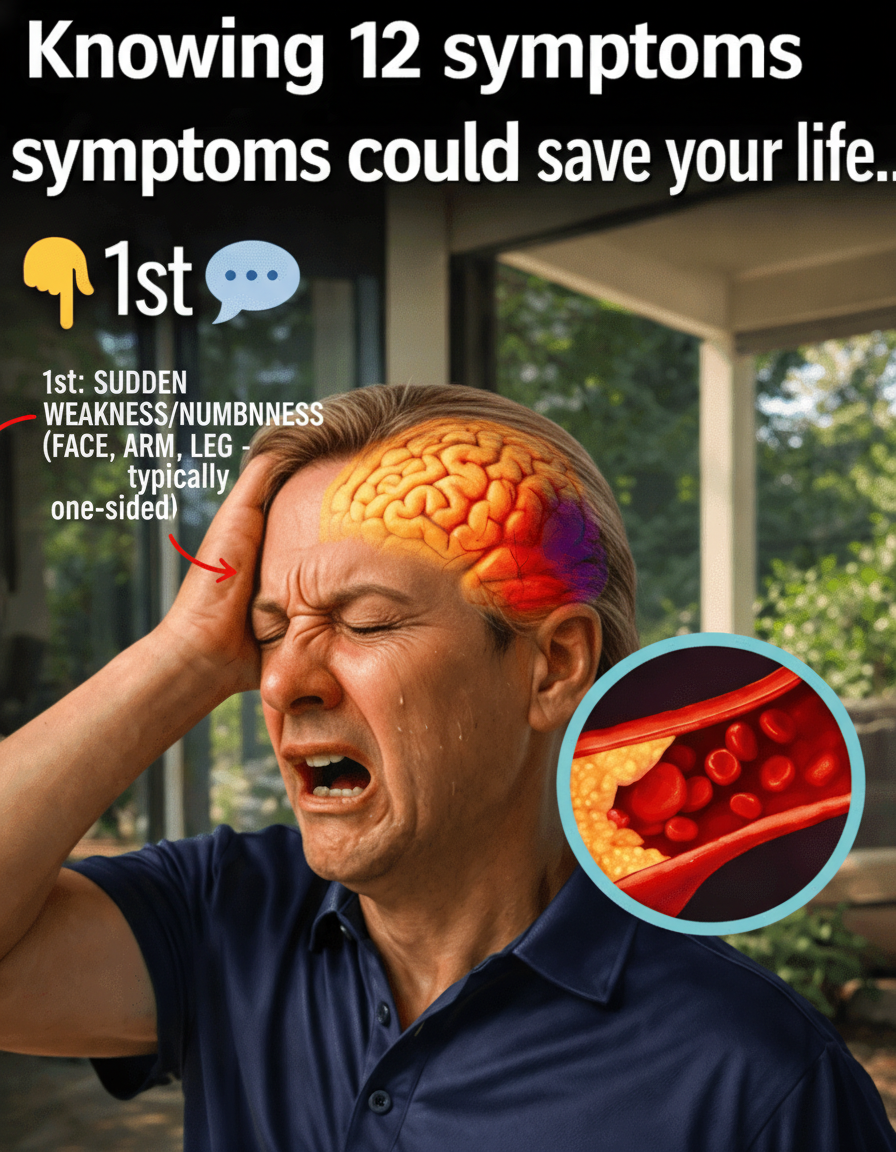
Sudden numbness or pronounced weakness in one arm or leg is another critical indicator. Request the person to raise both arms simultaneously; if one arm noticeably drifts downward, prompt medical assistance is imperative.
S – Speech Difficulty
Challenges with communication, such as slurred words, inability to speak clearly, or profound confusion when trying to comprehend what others are saying, are significant red flags. Asking the person to repeat a straightforward sentence can quickly reveal such impairments.
T – Time to Call Emergency Services
Should any of these symptoms manifest suddenly, it is crucial to contact emergency medical services without delay. Make a precise note of the exact time the symptoms first appeared, as this vital information enables medical teams to streamline and accelerate life-saving treatments. However, it’s essential to remember that these are not the only signs to watch for; some stroke symptoms can be remarkably deceptive.
Beyond the Classic Indicators: Unmasking Overlooked Stroke Symptoms
While the well-known symptoms affecting the face, arms, and speech rightly receive considerable public attention, other less conventional signs frequently cause hesitation because they don’t align with the stereotypical image of a stroke. Medical research underscores that these atypical indicators are particularly prevalent in posterior circulation strokes or within specific patient demographics.
- Abrupt, Excruciating Headache: This is often characterized as the most severe headache an individual has ever experienced, striking without any apparent trigger. It is commonly misdiagnosed as a migraine, leading to dangerous delays in seeking help.
- Acute Confusion or Cognitive Impairment: A sudden onset of mental fogginess, profound disorientation, or significant difficulty comprehending spoken language. This can be mistakenly attributed to severe sleep deprivation or general mental fatigue.
- Profound Dizziness or Impaired Coordination: More severe than simple unsteadiness, this can be accompanied by intense nausea or vomiting, often leading individuals to believe they are suffering from a gastrointestinal illness.
- Unexplained Generalized Weakness or Exhaustion: Particularly notable in women, this symptom can manifest as pervasive tiredness or overall body weakness, frequently without the distinct one-sided neurological deficits typically associated with stroke.
These more nuanced and subtle manifestations largely account for why some individuals postpone seeking emergency care; they simply don’t correspond to the dramatic representations often featured in public health campaigns. Studies emphatically suggest that integrating education about symptoms like sudden balance issues and vision changes into broader awareness initiatives substantially reduces the incidence of missed stroke diagnoses.
Immediate Action: Your Essential Guide When Stroke Symptoms Appear
It is paramount not to adopt a “wait and see” approach for potential stroke symptoms. Swift action is critical. Here is an essential, step-by-step guide for immediate response:
- Rapid Assessment with BE FAST: Conduct a swift evaluation using the BE FAST checklist—verify balance, eyes, face, arms, and speech. This can typically be done in less than a minute.
- Contact Emergency Services Without Delay: Dial emergency services instantly. Clearly state, “I suspect this individual is experiencing a stroke,” and provide the precise time the symptoms began.
- Record the Precise Onset Time: This detail is absolutely vital. Life-saving interventions, such as thrombolytic (clot-busting) medications, are most effective when administered within a narrow therapeutic window, typically within the first few hours of symptom onset.
- Avoid Personal Transportation: Under no circumstances should you attempt to drive the person to the hospital. Emergency medical personnel are equipped to provide critical care en route and ensure the fastest, safest transport to a specialized stroke center.
- Maintain Composure and Observe Closely: While awaiting professional help, keep the individual as comfortable as possible. Continuously monitor their condition and make note of any evolving or new symptoms.
Remember, acting rapidly and decisively significantly enhances the chances of a positive outcome and minimizes long-term disability. Your quick thinking can truly save a life.