 By admin
 Ovarian Cancer: 8 Crucial Symptoms Every Woman Should Recognize
Ovarian cancer carries a formidable reputation as a ‘silent disease’ due to its insidious nature. In its initial stages, symptoms are often absent or so indistinct that they are commonly misattributed to everyday ailments such as digestive discomfort, menopausal shifts, the aging process, stress, or routine gynecological issues. Tragically, many women only seek medical attention once the cancer has progressed beyond the ovaries, complicating treatment and reducing prognosis. Yet, early detection — specifically in stages I or II — dramatically improves outcomes, with a 5-year survival rate exceeding 90%. Understanding and identifying these subtle, yet persistent, indicators is paramount and can genuinely be life-altering. Below, we outline 8 of the most frequently reported early-to-mid-stage warning signs of ovarian cancer, compiled from leading medical authorities including the American Cancer Society, Ovarian Cancer Research Alliance, Mayo Clinic, and the CDC, alongside extensive patient data.
1. Persistent Abdominal Bloating or Enlargement
Experiencing a feeling of distension or fullness in your abdomen on most days for several weeks (distinct from premenstrual bloating), noticing your clothing becoming uncomfortably tight around your waist, or observing a visible increase in your belly’s size without any corresponding weight gain.
Why it’s often overlooked: Frequently dismissed as a result of overeating, hormonal fluctuations, or simply a part of the aging process.
2. Rapid Satiety or Reduced Appetite
Finding yourself feeling completely full after consuming only a small amount of food, experiencing a general loss of appetite, or feeling bloated and uncomfortably full even after modest meals – often accompanied by feelings of nausea or indigestion.
Why it’s often overlooked: Commonly attributed to sluggish digestion, heightened stress levels, or symptoms of acid reflux.
3. Persistent Pelvic or Lower Abdominal Discomfort
A continuous, dull ache, a sensation of heaviness, or an uncomfortable pressure in the pelvic region or lower abdomen that persists despite rest, bowel movements, or standard pain relief measures.
Why it’s often overlooked: Frequently misidentified as menstrual cramps, muscle strain, or symptoms related to Irritable Bowel Syndrome (IBS).
4. Noticeable Urinary Pattern Shifts
Experiencing a significantly increased need to urinate, both during the day and night, sudden and intense urges to void, or a persistent sensation that your bladder hasn’t fully emptied – even in the absence of a urinary tract infection (UTI).
Why it’s often overlooked: Often attributed to an ‘aging bladder,’ excessive fluid intake, or a presumed UTI.
5. Unrelenting and Unexplained Fatigue
Profound tiredness or weakness that feels distinct from typical exhaustion due to stress or the natural aging process, often occurring alongside other concerning symptoms, and failing to improve with adequate rest.
Why it’s often overlooked: Commonly ascribed to a busy lifestyle, insufficient sleep, or menopausal changes.
6. Alterations in Bowel Function
Sustained changes in your typical bowel habits, such as experiencing more frequent constipation than usual, alternating episodes of diarrhea and constipation, or a persistent feeling that your bowels are never completely emptied.
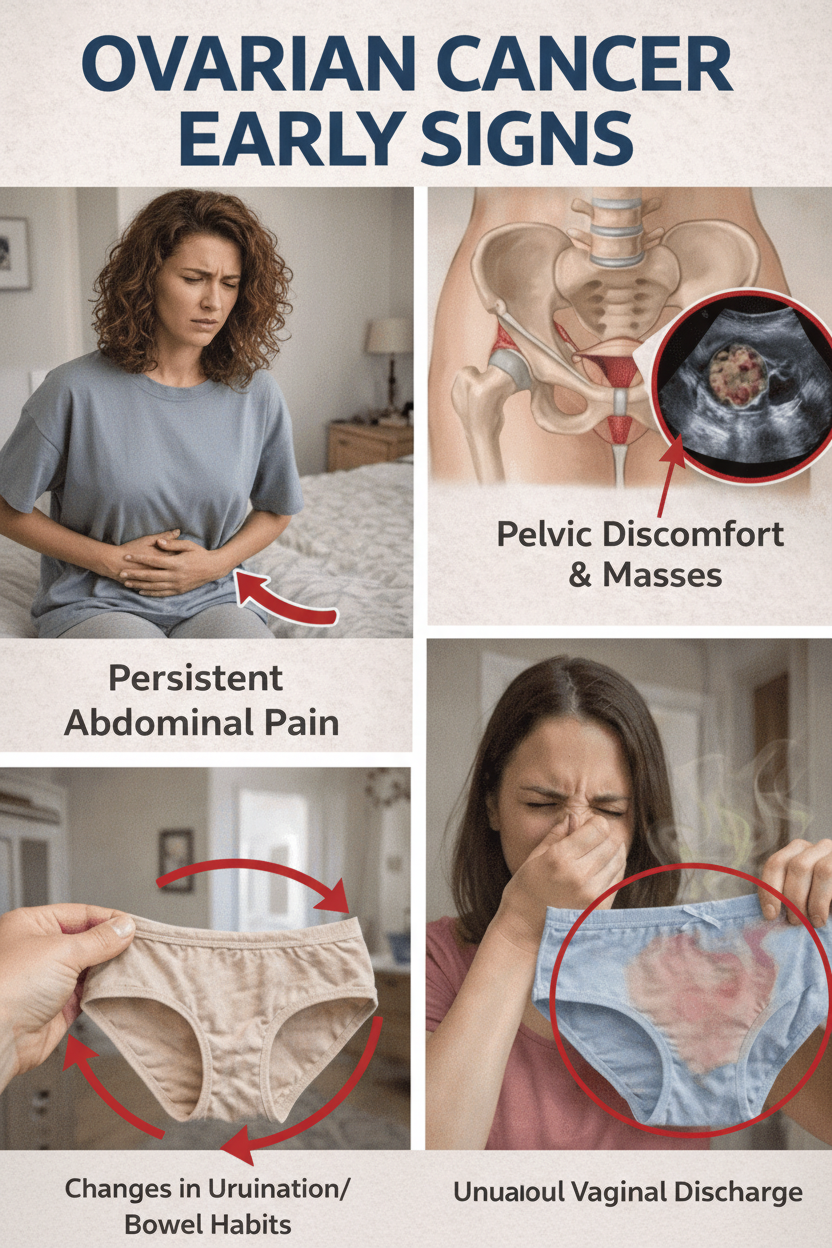
Why it’s often overlooked: Often blamed on dietary choices, stress, or pre-existing conditions like Irritable Bowel Syndrome (IBS).
7. Persistent and Unexplained Lower Back Pain
A dull, continuous ache in the lower back that doesn’t respond to conventional remedies and cannot be attributed to a specific injury or physical strain.
Why it’s often overlooked: Frequently mistaken for muscle strain, poor posture, or a normal part of aging.
8. Painful Intercourse (Dyspareunia)
Experiencing new or intensified deep pelvic pain either during or immediately following sexual intercourse (medically known as dyspareunia).
Why it’s often overlooked: Often a sensitive topic, women may feel embarrassed to discuss it, or it might be incorrectly attributed to vaginal dryness or sexual positioning.
Additional Critical Indicators
Beyond the primary symptoms, certain other signs warrant immediate attention, especially if they appear suddenly or persist:
- Abnormal Vaginal Bleeding or Discharge: Particularly if experienced after menopause, even if it’s just light spotting.
- Unexplained Weight Fluctuations: Significant weight loss or gain without any intentional changes to diet or exercise.
- Respiratory or Chest Discomfort: Shortness of breath or a feeling of pressure in the chest, typically associated with more advanced stages.
- Leg or Abdominal Swelling: Swelling in the lower limbs or abdomen, often occurring alongside persistent bloating.
When to Seek Medical Attention: An Urgency Guide
Understanding when to act is crucial. Here’s a guide on the urgency of seeking professional medical advice:
Immediate Consultation (Within Days – Do Not Delay) if you experience:
- A combination of persistent bloating, rapid satiety, and increased urinary frequency/urgency.
- New onset of pelvic or abdominal pain accompanied by any other symptom from the list above.
- Any instance of postmenopausal vaginal bleeding, regardless of the amount.
- Unexplained weight loss coupled with persistent fatigue and abdominal discomfort.
Routine Check-up (Within 1–2 Weeks) if:
- Several symptoms from this list continue for more than 2 to 4 weeks.
- Symptoms are newly emerging or worsening and cannot be explained by previously diagnosed conditions (e.g., IBS, menopause, etc.).
Key Takeaways and Proactive Steps
While ovarian cancer is considered relatively uncommon, its significant lethality among gynecological cancers stems largely from its typically late diagnosis. The eight symptoms detailed here represent the most consistent early indicators reported by women ultimately diagnosed with the disease – particularly when several signs manifest concurrently and do not abate. Trust your instincts; you are the expert on your own body. If something feels persistently amiss – especially concerning bloating, feeling full quickly, or urinary changes – do not delay awaiting ‘obvious’ cancer indicators. Early detection significantly enhances treatment efficacy. Initial diagnostic tools like a pelvic ultrasound, a CA-125 blood test, and a comprehensive gynecological examination can identify potential concerns at their earliest, most treatable stages.
Actionable Step: Maintain a symptom diary for 2 to 4 weeks, diligently noting the frequency, severity, and timing of any concerning signs. If two or three of these symptoms persist, prioritize scheduling an appointment with your gynecologist this month. Remember, early detection is not just a phrase; it saves lives.
Disclaimer
This article serves purely for informational purposes and should not be construed as medical advice. It is important to note that many of the symptoms described can also stem from various benign conditions (such as Irritable Bowel Syndrome, benign ovarian cysts, etc.). Always consult with a qualified healthcare professional for any health concerns or before making any decisions related to your health or treatment.