 By admin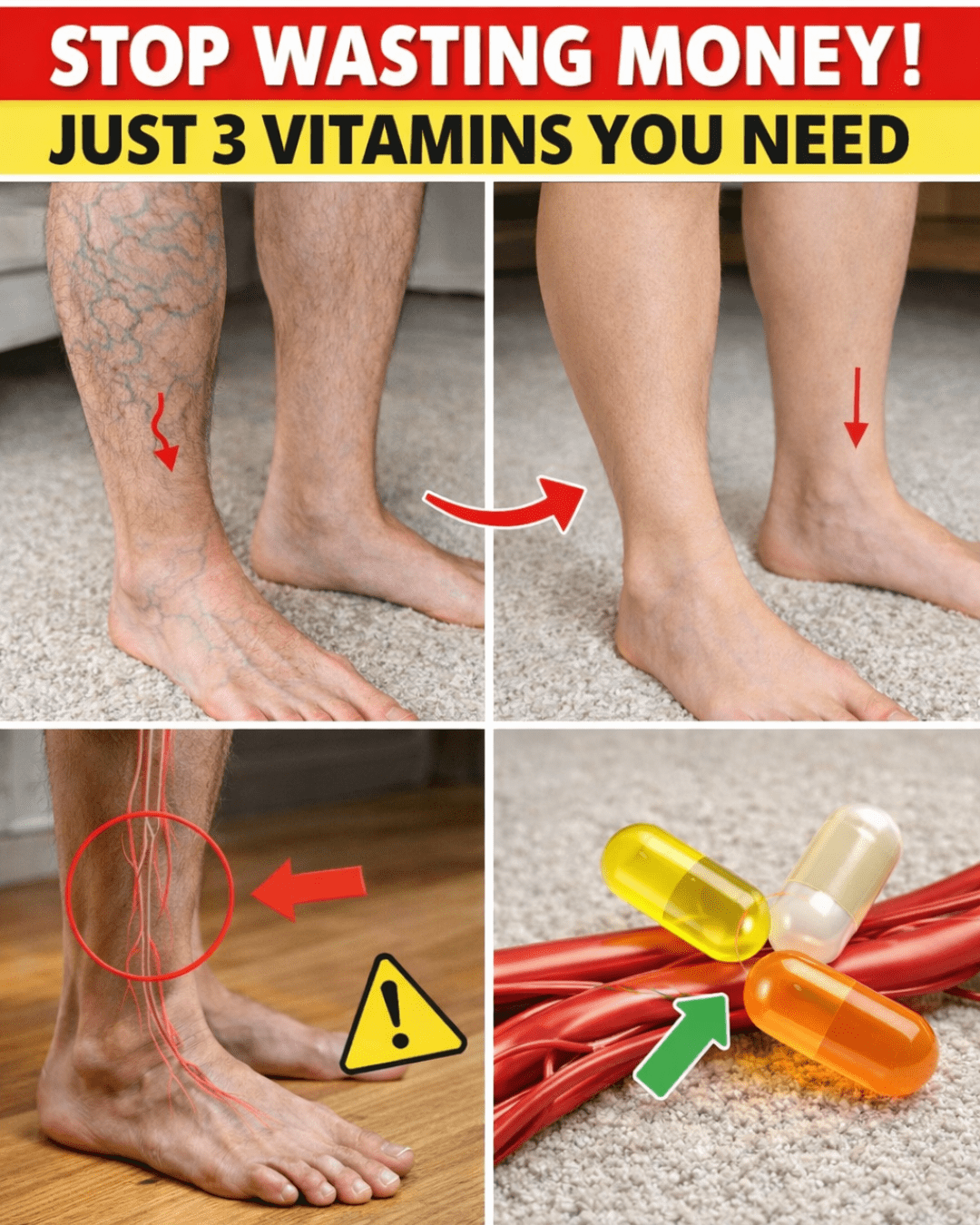
Many people over 50 notice their legs feeling heavier, with occasional swelling, cramping, or that uncomfortable “pins and needles” sensation after short walks. These signs often point to reduced blood flow in the legs, a common issue as we age that can make everyday activities like shopping or playing with grandkids feel exhausting. Studies estimate that peripheral artery disease (PAD) affects millions of Americans, particularly those over 60, and chronic venous issues contribute to swelling in a large portion of older adults. While lifestyle changes and medical advice are essential, certain vitamins have shown promise in supporting vascular health. But here’s the intriguing part: three specific ones—vitamin B3 (niacin), vitamin K2, and vitamin C—stand out in research for their potential roles in promoting circulation, vessel integrity, and calcium balance. Keep reading to learn how they work together, backed by science, and simple ways to consider adding them.

The Growing Challenge of Poor Leg Circulation After 50
As we age, blood vessels can lose flexibility, calcium may build up in artery walls, and vein walls may weaken, leading to reduced flow to the legs. This can cause leg fatigue, cramping during activity (known as claudication), swelling in the ankles, or cold feet. According to reports from health organizations, PAD remains underrecognized, with many cases going undiagnosed until symptoms worsen. The frustration is real—retirement should mean freedom, not worrying about how far you can walk without discomfort. But the good news? Supporting your vascular system from within may help maintain better flow and comfort.
But that’s not all—research highlights nutrients that play key roles in vessel dilation, calcium management, and collagen support.

Why These Three Vitamins Matter for Circulation Support
Research suggests that vitamin B3 (niacin), vitamin K2 (especially MK-7 form), and vitamin C each contribute uniquely to vascular function. Together, they address different aspects of circulation challenges.
Vitamin B3 (Niacin): Supporting Blood Vessel Dilation and Flow
Niacin is known for its ability to widen small blood vessels, which may improve blood flow to the extremities. Recent clinical trials have explored forms of vitamin B3, such as nicotinamide riboside, in people with PAD. In one study, participants taking a B3-related supplement showed improved walking distance over several months compared to placebo.
- Potential benefit: May help increase circulation in the legs, supporting longer comfortable walks.
- How it works: Promotes vasodilation (widening of vessels) and has been linked to better endothelial function.
- Common forms: Immediate-release or no-flush versions to minimize temporary skin warmth (the “niacin flush”).
Real-world insight: Many older adults report noticing gradual improvements in leg comfort when incorporating niacin as part of a broader approach.
But wait—while B3 helps with flow, what about the calcium buildup that stiffens arteries?

Vitamin K2 (MK-7): Helping Direct Calcium Away from Arteries
Vitamin K2, particularly the MK-7 form, activates proteins that help move calcium from soft tissues (like artery walls) to where it’s needed, such as bones. Multiple studies, including meta-analyses of randomized trials, indicate that K2 supplementation may slow the progression of arterial calcification.
- Potential benefit: Supports healthier, more flexible blood vessels over time.
- How it works: Activates matrix Gla-protein (MGP) to inhibit unwanted calcium deposits in vessels.
- Pro tip: Taking K2 alongside vitamin D may enhance its calcium-directing effects, as they work synergistically.
Research continues to build on K2’s role in cardiovascular health, with some trials showing reduced calcification progression after consistent use.
Here’s the exciting combination: Adding vitamin C strengthens the structural side.
Vitamin C: Building Stronger Vessel Walls and Collagen
Vitamin C is essential for producing collagen, the protein that gives strength and elasticity to blood vessel walls. Studies show it supports endothelial function and may help maintain vein integrity, which is especially relevant for issues like swelling or varicose veins.
- Potential benefit: Helps reduce leakage in veins and supports overall vessel repair.
- How it works: Acts as a cofactor in collagen synthesis and provides antioxidant protection to blood vessels.
- Best forms: Buffered or liposomal for better tolerance at higher doses.
Evidence from vascular research underscores vitamin C’s importance in maintaining healthy circulation.

Quick Comparison: How These Vitamins Support Leg Circulation
| Vitamin | Main Action in Vessels | Key Research Insight | Typical Daily Range (Consult Professional) |
|---|---|---|---|
| B3 (Niacin) | Vessel dilation & improved flow | May boost walking distance in PAD studies | 50–500 mg (start low) |
| K2 (MK-7) | Calcium redirection from arteries | Slows calcification progression in trials | 100–180 mcg |
| Vitamin C | Collagen production & vessel strength | Supports endothelial and vein wall health | 500–1,000 mg (or more if tolerated) |
These ranges are general—always check with a healthcare provider for your needs.
Simple Steps to Get Started Safely
Want to support your circulation? Here’s an evidence-informed starting point (not medical advice):
- Talk to your doctor first — Especially if you have PAD, take medications (like blood thinners), or have liver/kidney concerns. They can check for interactions and recommend testing.
- Choose quality supplements — Look for third-party tested products (USP or NSF certified) with clear labeling on forms (e.g., MK-7 for K2, no-flush for niacin).
- Start low and consistent — Begin with smaller doses to assess tolerance (e.g., 100 mg niacin, 100 mcg K2, 500 mg C). Take with food.
- Timing suggestion — Morning for B3 (with breakfast), midday for K2 (with a fatty meal for absorption), evening for C.
- Combine with habits — Walk regularly (even short distances build tolerance), stay hydrated, elevate legs when resting, and eat vitamin-rich foods (citrus for C, fermented foods for K2, poultry for B3).
- Track progress — Note changes in leg comfort, walking distance, or swelling over 4–8 weeks.
But remember—vitamins support, they don’t replace, professional care or proven treatments.
Real-World Benefits Beyond Circulation
Supporting better flow may also ease related issues like occasional cramps, restless legs, or fatigue. Some studies link these nutrients to nerve health and overall energy, though results vary by individual.
Imagine reclaiming those morning walks or playing longer with family—many people find motivation in small, daily wins.
Timeline of Potential Support
- Weeks 1–4: Early comfort improvements (less heaviness or cramping).
- Months 1–3: Gradual gains in walking ease and reduced swelling.
- Longer term: Sustained vessel health with consistent use and lifestyle.
Conclusion: Take the Next Step Toward Comfortable Legs
Poor leg circulation doesn’t have to limit your independence. Vitamins B3, K2, and C offer science-backed ways to support blood flow, vessel flexibility, and strength. Start with a conversation with your healthcare provider, choose quality sources, and pair them with movement and healthy habits. Many find that these small changes add up to more confident, pain-free days.
FAQ
1. Can these vitamins replace treatments for PAD or venous issues?
No—vitamins may support vascular health but are not a cure or substitute for prescribed medications, procedures, or lifestyle changes recommended by your doctor.
2. Are there side effects to watch for?
Niacin can cause temporary flushing (warmth/redness); start low. High-dose vitamin C may cause digestive upset. K2 is generally well-tolerated. Always consult a professional.
3. How long before I notice changes?
Many report subtle improvements in 4–8 weeks with consistent use, but results vary. Patience and tracking help.
This article is for informational purposes only and does not constitute medical advice. Consult your healthcare provider before starting any supplements, especially if you have health conditions or take medications. Individual results may vary, and supplements should complement—not replace—professional care.