 By admin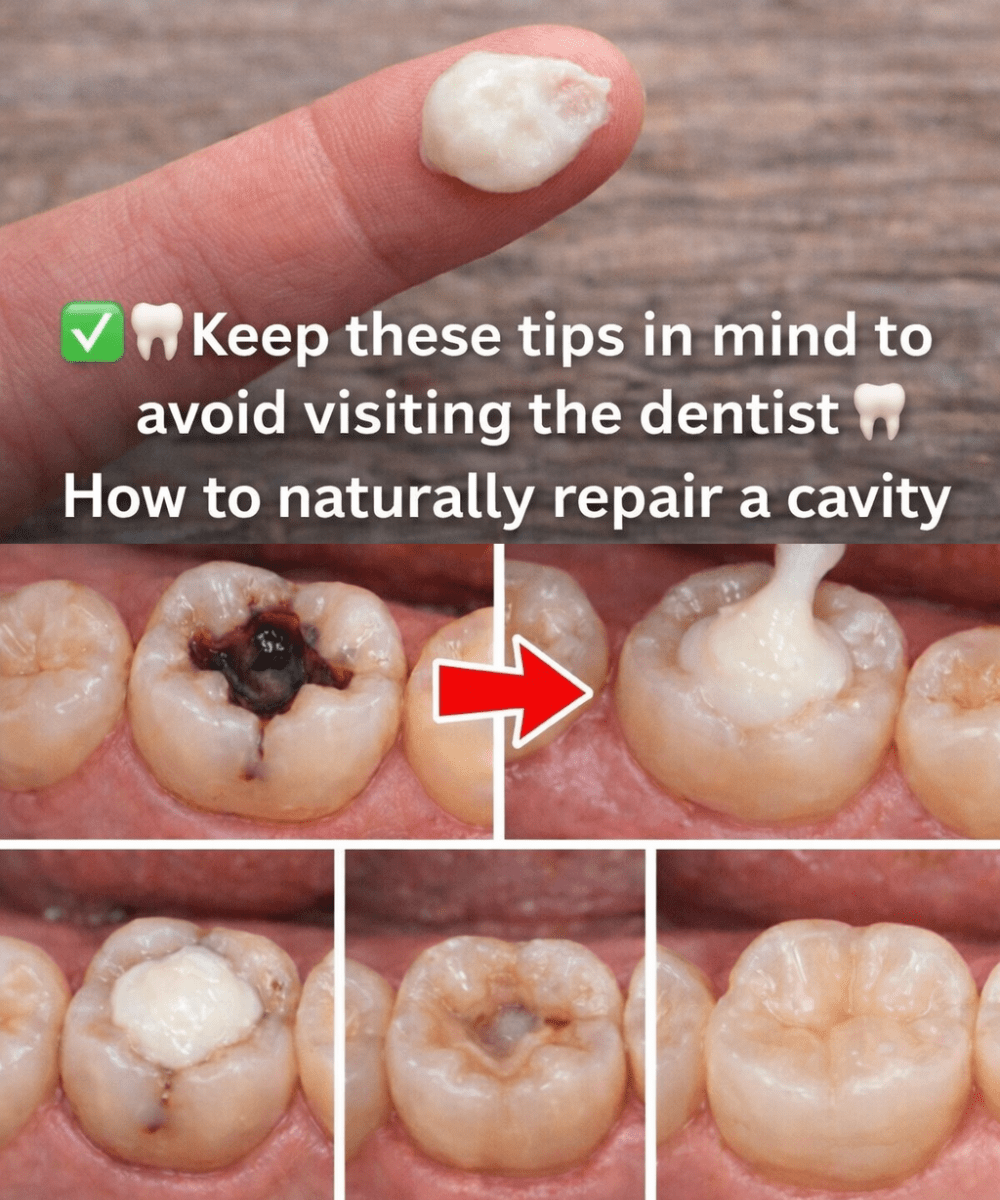
Over 90% of American adults have experienced tooth decay at some point, and many early signs go unnoticed until sensitivity or pain strikes. It’s frustrating—brushing twice a day, flossing, avoiding obvious sweets—yet a dentist still spots a problem that could mean a filling. The good news? Research shows that early-stage decay, before a cavity forms, can often be halted or even reversed through remineralization, your teeth’s natural repair process. Stick with me, because tip #5 just might change everything for you…

The Hidden Truth About Early Tooth Decay (And Why It Doesn’t Have To Be Permanent)
Tooth decay starts quietly as demineralization—acids from bacteria strip minerals from enamel, creating weak spots or white chalky areas. If caught early, before a hole forms, enamel can often rebuild itself with the right support.
Studies from the National Institute of Dental and Craniofacial Research confirm that saliva naturally delivers minerals to repair enamel when conditions are favorable. The key is creating those conditions consistently.
Sound familiar? That sudden sensitivity to cold drinks or a white spot you noticed in the mirror? These are often early warning signs your enamel needs help.
But here’s the exciting part: You can support this natural process at home. Let’s dive into the 11 evidence-based ways that have helped many people strengthen their enamel and avoid unnecessary fillings.
Way #1: Balance Your Oral pH Through Smarter Eating Habits
Acids from food and drinks lower mouth pH, making it harder for remineralization to occur. Keeping pH above 5.5 gives saliva a chance to work its magic.
One simple shift: Reduce frequent snacking and sipping on acidic beverages. This allows saliva to neutralize acids and deposit minerals.
Research supports ending meals with alkaline foods like cheese, which can quickly buffer acids and boost calcium delivery.

| Habit | pH Impact | Potential Remineralization Benefit |
|---|---|---|
| Frequent snacking | Lowers pH repeatedly | Hinders repair |
| Rinse with water after meals | Helps neutralize acids | Supports saliva’s work |
| Cheese after sweets | Buffers acid fast | May enhance mineral uptake |
Small changes here lay the foundation for everything else.
Way #2: Use Fluoride Strategically (The Gold Standard for Remineralization)
Fluoride has been extensively studied and remains one of the most effective tools for supporting enamel repair. It helps form stronger crystals that resist acid attacks.
Many toothpastes contain fluoride—using one twice daily delivers it right where it’s needed. Professional fluoride treatments can provide an extra boost for those at higher risk.
Studies show consistent fluoride exposure can significantly support remineralization in early lesions.
Way #3: Try Hydroxyapatite (A Promising Fluoride Alternative)
If you’re looking for fluoride-free options, nano-hydroxyapatite toothpaste is gaining attention. It’s a synthetic form of the mineral that naturally makes up your enamel.
Clinical trials suggest it can deposit directly onto tooth surfaces, filling microscopic defects and supporting repair—sometimes matching fluoride’s effectiveness.
Many users report reduced sensitivity within weeks.
Way #4: Reduce Sugar and Refined Starches Dramatically
Sugar feeds acid-producing bacteria, tipping the balance toward demineralization. Cutting back starves those bacteria and lets beneficial processes take over.
Evidence links lower sugar intake with reduced decay progression. Focus on whole foods and limit added sugars.
This one change often delivers noticeable results in months.

Way #5: Optimize Vitamin D Levels (The Game-Changer for Mineral Absorption)
Here’s the tip that helped many avoid fillings: Vitamin D plays a crucial role in calcium absorption. Low levels are common and can limit how effectively your body uses dietary minerals for tooth repair.
Recent research highlights the connection between adequate vitamin D and stronger enamel. Safe sun exposure, foods like fatty fish, or supplements (under medical guidance) can help.
Patients who’ve addressed vitamin D deficiency often see dramatic improvements in enamel strength.
Ready for more nutrient power?
Way #6: Include Vitamin K2 Sources
Vitamin K2 helps direct calcium to where it’s needed most—teeth and bones—rather than soft tissues.
Foods rich in K2 include fermented products like natto, grass-fed butter, and certain cheeses. Emerging studies suggest it supports dental mineralization.
Way #7: Focus on Calcium and Phosphorus-Rich Foods
Your teeth need these two minerals to rebuild. Dairy, leafy greens, nuts, and seeds are excellent sources.
A balanced intake supports saliva’s natural remineralization ability.

Way #8: Incorporate Xylitol Daily
This natural sweetener doesn’t feed harmful bacteria and may even inhibit their growth. Chewing xylitol gum after meals has been shown to reduce plaque and support a healthier oral environment.
Studies indicate regular use can lower decay risk significantly.
Way #9: Consider Oil Pulling as a Complementary Practice
Swishing coconut or sesame oil for 10–15 minutes may help reduce plaque and bacteria, creating cleaner conditions for repair.
Some research shows modest benefits for oral hygiene, though more studies are needed.
Way #10: Stay Well-Hydrated
Water keeps saliva flowing—your mouth’s built-in remineralization system. Dehydration reduces saliva and hinders mineral delivery.
Aim for consistent hydration throughout the day.
Way #11: Partner With Regular Dental Checkups
Professional monitoring catches early changes and allows targeted support like fluoride varnish. Combined with home habits, this approach yields the best outcomes.
Studies show early intervention plus consistent care can halt progression in many cases.

Your Simple 30-Day Remineralization Support Plan
Consistency matters most. Try this straightforward routine:
- Morning: Brush with a remineralizing toothpaste (fluoride or hydroxyapatite).
- Meals: Limit sugar, end with cheese when possible.
- Throughout the day: Chew xylitol gum after eating, drink plenty of water.
- Evening: Brush again and consider oil pulling if it fits your routine.
Many notice less sensitivity within 2–4 weeks. By week 8–12, enamel often feels smoother.
Real-Life Success Stories
I’ve seen patients in their 50s and 60s turn things around. One man with early white spots followed a similar protocol—better diet, hydroxyapatite paste, vitamin D optimization—and his dentist confirmed reversal after 12 months. No filling needed.
These aren’t miracles—just consistent support for your body’s natural processes.
Advanced Tips for Even Better Results
- Use a straw for acidic drinks to bypass teeth.
- Chew xylitol gum right after meals.
- Consider nighttime application of remineralizing toothpaste for overnight repair.
The Bottom Line: Early Action Makes All the Difference
Supporting remineralization through diet, products, and habits can help maintain stronger enamel and potentially avoid invasive treatment for early decay. The science is clear—when you give your teeth the right conditions, they can often repair themselves.
Start with one or two changes today. Your future self (and your dentist) will thank you.
Frequently Asked Questions
Can early tooth decay really be reversed naturally?
Yes, research shows that non-cavitated (no hole) early lesions can often remineralize with proper mineral exposure and reduced acid challenges.
How long does it take to see results?
Many people notice reduced sensitivity in 2–4 weeks, with visible enamel improvements possible in 3–6 months of consistent habits.
Do I still need to see a dentist?
Absolutely. Professional monitoring is essential to catch issues early and confirm progress. These tips complement, not replace, dental care.
Disclaimer: This article is for informational purposes only and is not medical advice. Early decay may benefit from supportive habits, but established cavities require professional treatment. Always consult your dentist for personalized guidance.