 By admin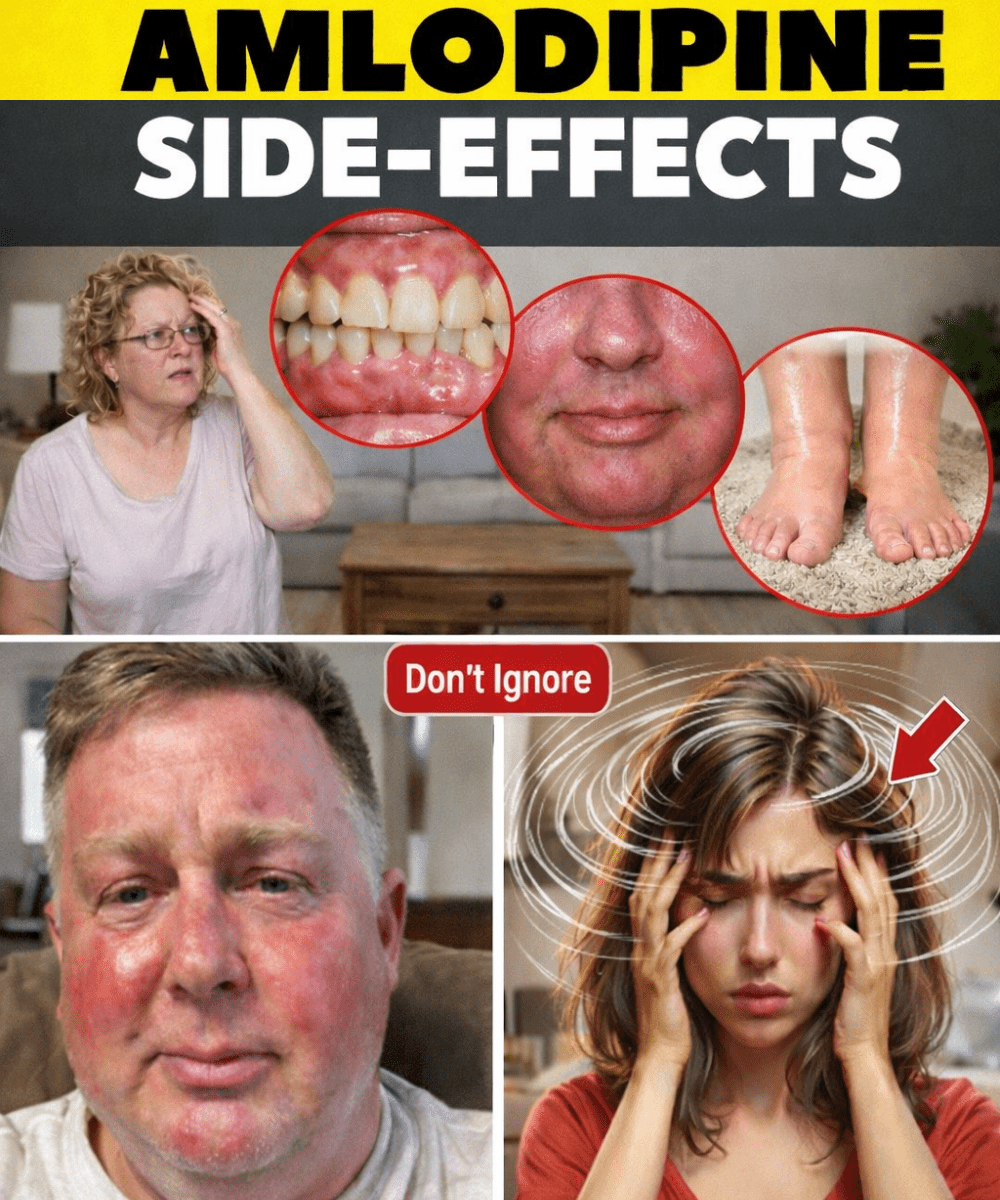
You start amlodipine to manage high blood pressure, trusting it will bring more energy and peace of mind. Weeks later, swollen ankles make shoes feel painfully tight, constant fatigue robs you of your usual drive, and dizzy spells turn simple movements into cautious challenges. These side effects affect a significant number of users—often more than initial discussions suggest—leading to frustration, reduced quality of life, and sometimes discontinuation of the medication. The good news is that awareness empowers you to track symptoms, speak openly with your doctor, and explore adjustments that can restore comfort while keeping blood pressure controlled. In this article, we explore the 12 most reported side effects based on clinical data and real patient experiences, starting with the one that prompts many to seek change.

Why Amlodipine Side Effects Catch So Many People Off Guard
Amlodipine, a calcium channel blocker, relaxes blood vessels to lower blood pressure effectively for millions worldwide. While clinical trials show it is generally well-tolerated, real-world reports reveal side effects in 10-30% of users, with peripheral edema, dizziness, and fatigue among the most common.
Doctors often describe amlodipine as “well-tolerated” because many side effects are mild or improve over time. However, patient forums and databases highlight persistent complaints that can be dismissed as aging, stress, or unrelated issues. Discontinuation rates in real-world settings can reach 10-20% due to intolerable symptoms.
Understanding these effects helps you differentiate medication-related changes from other causes and have more productive conversations with your healthcare provider.
The Top 12 Amlodipine Side Effects Patients Frequently Report
Here are the side effects most commonly shared by patients, drawn from clinical trials, FDA labeling, and real-world reports. Prevalence varies, but these issues affect daily life enough to prompt action for many.
1. Ankle and Leg Swelling (Peripheral Edema)
This tops the list and often leads to discontinuation. Vasodilation causes fluid to leak into tissues, especially in the lower legs and ankles. Clinical data show it affects 5-15% of users, with higher rates in women (up to 14.6%) and at higher doses.
Robert, 68, noticed his ankles ballooned within weeks, making shoes uncomfortable. A dose reduction and diuretic helped, but switching medications eventually resolved it fully.

2. Persistent Fatigue and Low Energy
Many describe an “invisible drain” that leaves them exhausted despite rest. The mechanism may involve reduced cardiac efficiency or systemic changes. Reported in 5-10% of users, it is often attributed to age or lifestyle.
Sarah, 62, felt constantly tired until stopping amlodipine—her energy returned quickly.
3. Dizziness and Lightheadedness (Especially When Standing)
Orthostatic hypotension causes spinning sensations or unsteadiness upon rising. Affects 5-10%. Simple changes like slower position shifts or dose timing can help.
John, 71, experienced frightening falls before adjusting his routine.

4. Flushing and Sudden Warmth
Vasodilation leads to face, neck, or chest heat waves. Common early on (5-10%), it often fades with continued use.
Patricia, 65, found it embarrassing during social situations.
5. Heart Palpitations or Racing Pulse
Some feel pounding or irregular beats, often benign but alarming. Reported in 4-8%, more at higher doses.
Mike, 69, monitored with a Holter device for reassurance.

6. Gum Swelling (Gingival Hyperplasia)
Overgrowth of gum tissue can occur, linked to calcium channel blockers. Less common (1-3.4%), but persistent.
Linda, 67, needed dental evaluation and medication adjustment.
7. Muscle or Joint Pain
Aching in shoulders, legs, or joints disrupts activity. Reported in 2-5%, often mistaken for arthritis.
David, 70, saw improvement after switching drugs.

8. Stomach Issues (Nausea, Pain, Reflux)
Abdominal discomfort or nausea affects appetite in 3-8%.
Mary, 64, found taking with food reduced symptoms.
9. Headaches (Especially Early On)
Common during initiation (5-10%), usually temporary.
Tom, 66, noticed relief after the first month.

10. Sleep Disturbances or Vivid Dreams
Insomnia, restlessness, or unusual dreams disrupt rest. Less documented in trials but reported by some patients.
Helen, 63, felt unrested until addressing the issue.
11. Mood Changes (Anxiety or Low Mood)
Unexplained anxiety or mood shifts occur in some users. Rare in official data (0.1-1%) but noted in patient experiences.
Frank, 72, linked spikes to the medication.
12. Sexual Side Effects (Reduced Libido or Function)
Decreased interest or performance affects quality of life. Less common than with other antihypertensives, but reported.
Paul, 67, found it difficult to discuss but important for overall well-being.
But that’s not all—many side effects improve with time, dose changes, or simple strategies.
Quick Self-Check: How Aware Are You?
Rate yourself:
- How many of these side effects have you noticed?
- On a scale of 1-10, how urgent is it to discuss them with your doctor?
- Which one concerns you most?
- When was your last medication review?
Higher urgency means faster potential relief.
What to Do If You’re Experiencing Amlodipine Side Effects
Follow these actionable steps:
- Track symptoms: Note timing, severity, and triggers in a journal for 1-2 weeks.
- Talk to your doctor: Share details—never stop abruptly, as sudden changes can affect blood pressure.
- Ask about adjustments: Dose reduction, timing changes, adding a diuretic for swelling, or switching classes often help.
- Support with lifestyle: Elevate legs, reduce sodium, stay active, and maintain hydration.
Most side effects become manageable or resolve with these steps.
The Real Impact: Ignoring vs. Addressing Side Effects
Ignoring persistent issues can lead to lower adherence, poorer blood pressure control, and reduced quality of life. Addressing them early often restores comfort, improves adherence, and supports long-term health.
Key Takeaways
Amlodipine helps millions control blood pressure, but side effects like swelling, fatigue, and dizziness are more common than often discussed. Awareness and open dialogue make a big difference.
FAQ
Is amlodipine safe for long-term use?
Yes, when monitored by a healthcare provider. Side effects are usually manageable, and benefits for blood pressure control often outweigh risks.
How long do amlodipine side effects last?
Many improve within weeks as your body adjusts. Persistent ones may require dose changes or alternatives.
Are there alternatives if side effects are intolerable?
Yes—other classes like ACE inhibitors, ARBs, or beta-blockers may suit you better. Your doctor can tailor options.
Disclaimer: This article is for informational purposes only and is not a substitute for professional medical advice. Always consult your healthcare provider before making changes to your medication or treatment plan. Individual experiences vary, and side effects are not guaranteed. Never discontinue medication without medical guidance.