 By admin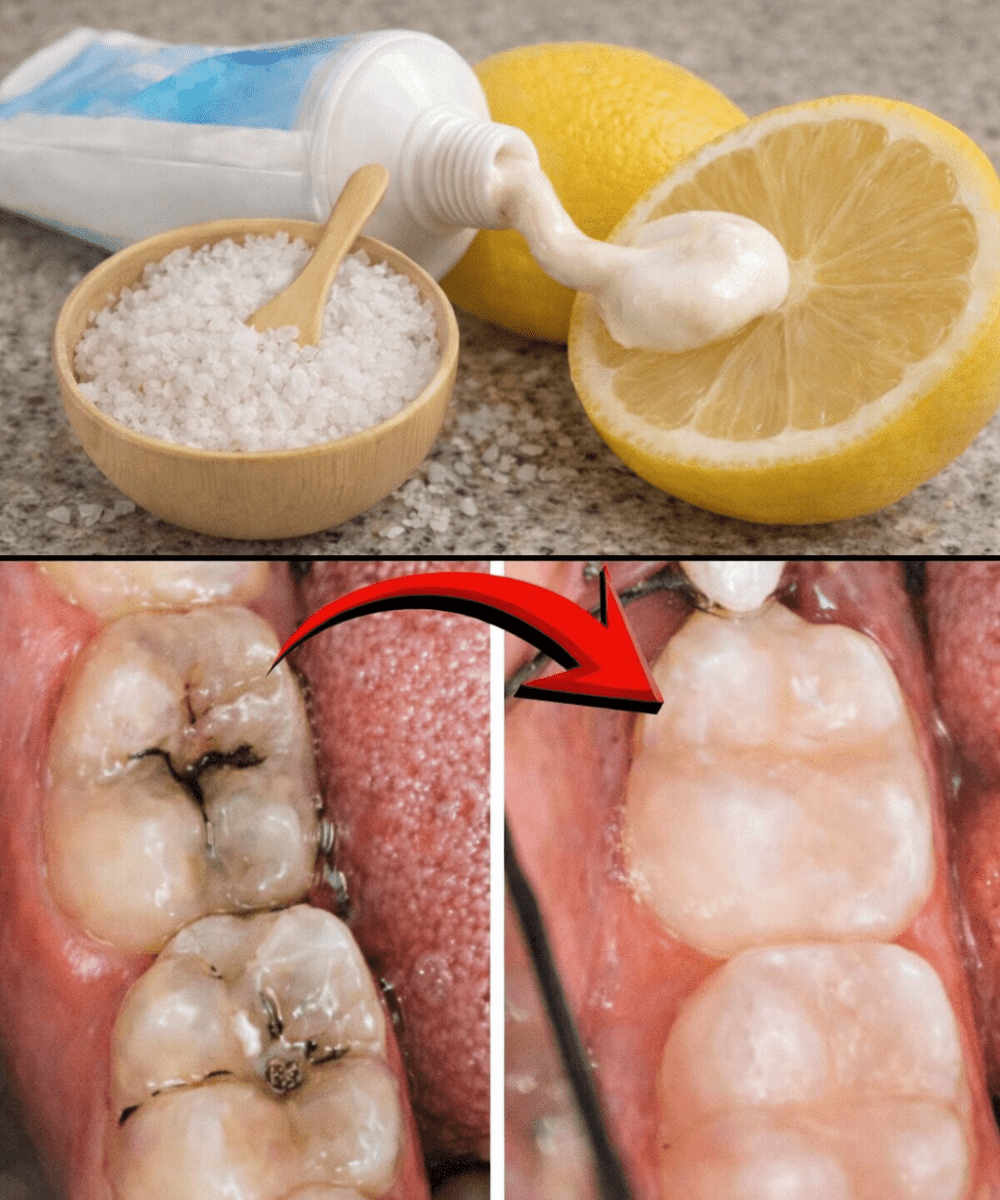
Imagine glancing in the mirror while brushing and spotting a chalky white patch on your tooth. It feels slightly rough under your tongue, and sweets now trigger a faint twinge you can’t ignore. That small change can spark real worry—wondering if decay has already started and whether a drill is inevitable. Millions of people notice these early warning signs every year, and the anxiety is completely understandable.
Here’s the encouraging part: research shows that in the very earliest stages—before an actual hole forms—tooth enamel can sometimes rebuild itself through a natural process called remineralization. But once a true cavity develops, natural methods alone can’t restore the lost structure. Keep reading to discover exactly what’s possible, what the science says, and the key moment when professional care becomes essential.

What’s Really Happening Inside Your Mouth Every Day
Your teeth are in a constant tug-of-war between two processes: demineralization and remineralization.
When you eat or drink something sugary or acidic, bacteria in plaque produce acids that pull minerals like calcium and phosphate out of your enamel. This is demineralization. Over time, it creates weak, chalky white spots—the earliest visible sign of trouble.
But saliva fights back. It’s rich in the exact minerals your teeth need and works continuously to deposit them back into the enamel. This is remineralization. When remineralization wins, those white spots can harden and even blend back into healthy enamel.
Studies from the National Institute of Dental and Craniofacial Research confirm that this early stage is often reversible with the right conditions. The catch? If acid attacks happen too frequently, the balance tips permanently, and a cavity forms—a physical hole that saliva can’t fill.
Here’s the crucial distinction: early demineralization is potentially reversible. A true cavity is not.
The Surprising Limits of “Natural Cavity Repair”
You’ve probably seen headlines or social media posts claiming cavities can heal completely on their own with diet changes, oil pulling, or special supplements. Those stories can feel hopeful, but they often mix up two very different situations.
Real-life improvements usually happen when people catch white spots early and improve their habits. The spots may fade or stabilize, which feels like healing. But once the enamel surface breaks down into an actual hole (cavitation), the damage is structural and irreversible without dental treatment.
Dental experts, including the American Dental Association, are clear: no amount of brushing, diet tweaking, or natural remedies can fill a cavity once it exists. Bacteria continue to deepen the damage, risking pain, infection, and eventual tooth loss.
That said, supporting your body’s natural remineralization process early on is powerful—and backed by solid evidence.

9 Evidence-Based Ways to Support Early Remineralization
The goal is simple: reduce acid attacks and give saliva the best chance to rebuild enamel. Here are practical, research-supported steps you can start today:
- Cut back on frequent sugary snacks and drinks – Every exposure triggers a 20–30 minute acid attack that overwhelms saliva’s repair ability.
- Chew sugar-free gum with xylitol after meals – It stimulates saliva flow and helps neutralize acids quickly.
- Drink plenty of water throughout the day – Water rinses away food particles and keeps saliva flowing.
- Eat crunchy vegetables like celery and carrots – Their texture naturally cleans tooth surfaces.
- Include phosphorus-rich foods – Fish, eggs, and nuts provide minerals that work alongside calcium.
- Choose calcium-rich options – Dairy, leafy greens, or fortified plant milks supply building blocks for enamel.
- Get adequate vitamin D – It helps your body absorb and use calcium effectively (sunlight, fatty fish, or supplements if needed).
- Limit acidic beverages – Soda, sports drinks, and even frequent citrus can erode enamel rapidly.
- Prioritize excellent daily oral hygiene – This remains the foundation of everything else.
Start with just one or two changes—these small shifts add up.

Early Demineralization vs. Established Cavities: How to Tell the Difference
Knowing the stage you’re in makes all the difference. Here’s a clear comparison:
| Feature | Early Demineralization (Potentially Reversible) | Established Cavity (Requires Professional Treatment) |
|---|---|---|
| Appearance | Chalky white spots on enamel | Visible hole, brown/black discoloration |
| Surface texture | Intact but may feel slightly rough | Actual breakdown or pit you can catch with a tool |
| Pain/sensitivity | Usually none or mild to sweets | Often sharp pain with hot, cold, or sweet |
| X-ray findings | Subsurface shadow | Clear penetration into dentin |
| Response to improved habits | May stabilize or improve | Continues to worsen |
| Risk if ignored | Could progress to cavity | Pain, infection, possible tooth loss |
If you’re unsure which category you’re in, a dentist can tell with a quick exam and X-rays.
Real Stories: What Happens When People Act Early
Mark, a 55-year-old teacher, noticed sensitivity and white patches after years of frequent coffee with sugar. He switched to fluoride toothpaste, started flossing daily, cut late-night snacks, and added a fluoride rinse. At his next check-up, his dentist confirmed the spots had stabilized—no progression.
Lisa, 42, saw similar white areas after braces came off. She focused on consistent brushing, chewing xylitol gum, and eating more mineral-rich foods. Over several months, the spots became less noticeable, and her dentist noted improved enamel density.
These outcomes align with clinical studies: fluoride, excellent hygiene, and reduced sugar exposure can support remineralization in non-cavitated lesions.
Other popular remedies—like oil pulling, vitamin K2, or hydroxyapatite toothpaste—show limited or mixed evidence. They may support overall oral health but aren’t proven substitutes for basic care.

Daily Habits That Strengthen Your Teeth’s Natural Defenses
Here’s a simple routine backed by dental research:
- Brush twice daily for two minutes with a soft-bristle brush and fluoride toothpaste (pea-sized amount).
- Floss once daily to remove plaque between teeth where brushes can’t reach.
- Rinse with water after acidic foods or drinks—wait 30 minutes before brushing to avoid scrubbing softened enamel.
- Use an antimicrobial or fluoride mouthrinse if your dentist recommends it.
- Chew xylitol gum for 10–15 minutes after meals when brushing isn’t possible.
- Schedule regular dental visits—early detection gives you the best chance of non-invasive management.
Consistency matters more than perfection. Pick the habits that fit your life and build from there.
When Natural Efforts Aren’t Enough: Protect Your Smile
If you have sensitivity that lingers, visible holes, dark spots, or pain, it’s time to see a dentist. Delaying treatment only allows decay to deepen.
Early intervention is almost always simpler and less expensive. Modern fillings are tooth-colored and conservative—nothing like the scary drills many imagine.
You have real power to support your teeth’s natural strength every single day. Start with one small upgrade today—what will you choose?
Frequently Asked Questions
Can a cavity heal itself naturally?
No. Once a true cavity (a hole in the enamel) forms, it cannot heal on its own and requires professional treatment. However, very early demineralization—before cavitation—can often be reversed with improved habits and fluoride.
How long does tooth remineralization take?
Visible improvement in early white spots can take weeks to months with consistent care. Results vary based on the extent of damage, age, saliva flow, and adherence to habits.
What foods help remineralize teeth?
Foods rich in calcium (dairy, leafy greens), phosphorus (fish, eggs, nuts), and vitamin D (fatty fish, fortified foods) support the process. Cheese can also neutralize acids immediately after meals.
This article is for informational purposes only and does not constitute medical advice. Always consult your dentist or healthcare provider for personalized guidance, especially if you suspect tooth decay.
(Word count: 1,412)