 By admin
 Our hands are constantly at work—from routine chores like washing dishes and cleaning to professional tasks like typing and driving. Given their daily exposure and activity, it’s common to experience occasional dryness or minor irritation. However, when persistent redness, intense itching, or painful skin cracks appear, many of us simply dismiss them as “just dry skin.” This oversight can be a crucial mistake. These symptoms might actually be early indicators of hand dermatitis, a challenging skin condition that can transform everyday activities into sources of significant discomfort and frustration. What’s more, a very common habit you likely engage in daily could be exacerbating this condition. Continue reading to uncover this surprising factor and learn how to implement effective strategies for relief and prevention.
Understanding Hand Dermatitis: More Than Just Dry Skin
Hand dermatitis, also known as hand eczema, is a prevalent inflammatory skin condition exclusively affecting the hands. It manifests as persistent irritation that can render even the simplest movements—such as fastening buttons or holding everyday objects—unbearably uncomfortable. Beyond the physical distress, this condition often causes considerable embarrassment due to visible redness, painful cracks, and rough texture, particularly in social or professional environments.
Affecting up to 10% of the global population, hand dermatitis is especially common among individuals whose professions involve frequent exposure to water or harsh chemicals, like healthcare workers, cleaners, and food service professionals. Crucially, overlooking the initial warning signs of hand dermatitis can lead to escalating severity, resulting in more intense flare-ups that become increasingly difficult to control without timely intervention.
Identifying Key Triggers of Hand Dermatitis
Hand dermatitis seldom develops without an underlying cause. The majority of instances arise from repeated contact with irritants or allergens that progressively compromise the skin’s natural protective barrier. Recognizing these common culprits is the first step toward effective management. Here are the most frequent factors contributing to hand dermatitis flare-ups:
- Aggressive Cleansing Agents: Soaps and detergents containing harsh chemicals can strip the skin of its essential natural oils, leaving it vulnerable.
- Excessive Water Exposure: Occupations requiring frequent hand washing or prolonged immersion in water, such as those in healthcare, cleaning, or culinary fields, significantly heighten risk.
- Allergic Reactions: Direct contact with common allergens like nickel (found in jewelry), certain fragrances, or latex can provoke an immune response.
- Environmental Stressors: Cold, arid weather conditions exacerbate skin dryness and dehydration, making hands more susceptible to irritation.
- Pre-existing Skin Conditions: Individuals with a history of other forms of eczema (atopic dermatitis) are inherently more prone to developing hand dermatitis.
One of the most challenging aspects of hand dermatitis is often the difficulty in precisely identifying the specific trigger, which can feel like an endless guessing game. However, understanding that a pattern exists is crucial. Once you begin to recognize potential links between your activities and symptoms, even minor adjustments can lead to a significant reduction in hand dermatitis episodes.
Critical Early Warning Signs of Hand Dermatitis
Hand dermatitis frequently begins with subtle indications, making it easy to overlook or misdiagnose. This often leads to delays in seeking treatment until the condition has advanced, resulting in deeper cracks and increased pain. Being aware of these crucial early signs is vital for prompt intervention:
- Persistent, Unrelieved Itching: An incessant itch that doesn’t respond to standard moisturizers is a hallmark symptom.
- Red, Inflamed Patches: Areas of redness that may feel warm to the touch or exhibit a stinging sensation.
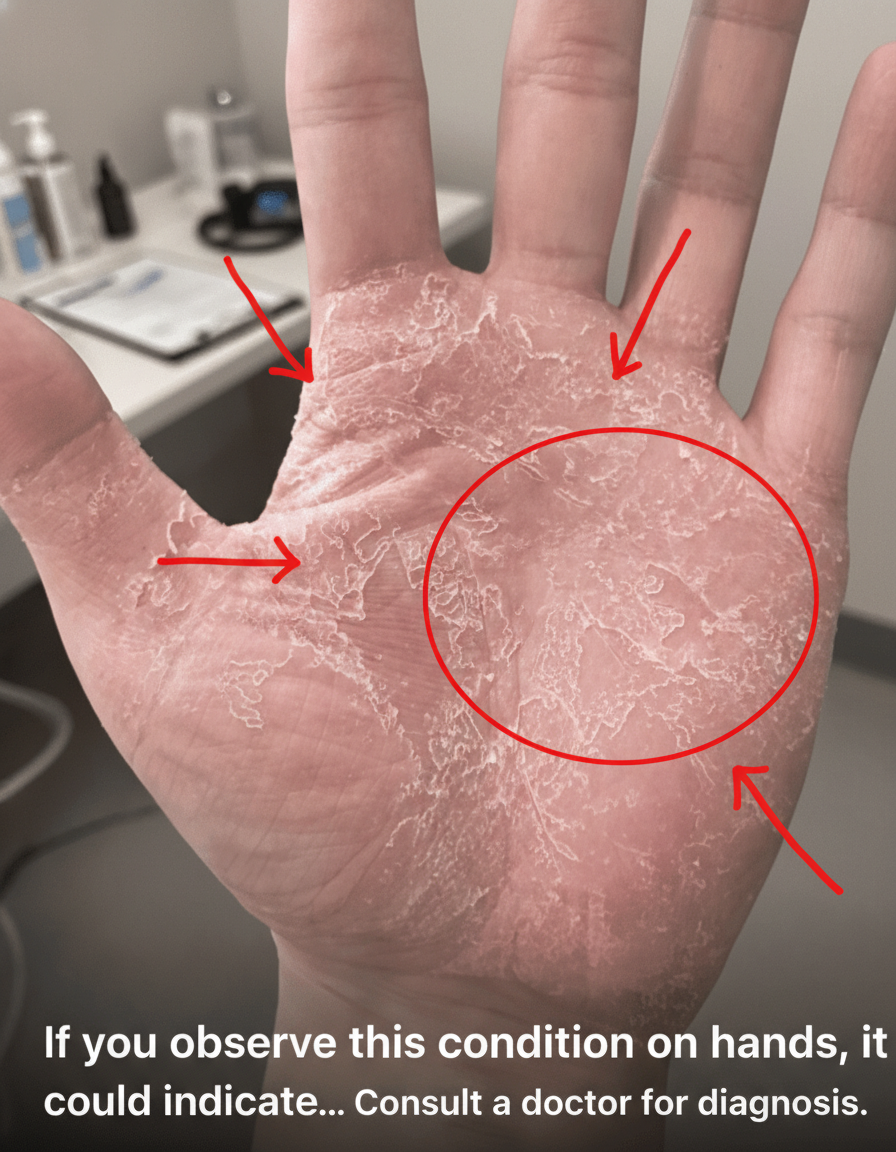
- Dry, Scaly, or Peeling Skin: The skin may become excessively dry, develop scales, or start to flake off.
- Small Blisters and Painful Fissures: Tiny, fluid-filled blisters can emerge, often accompanied by deep, painful cracks (fissures), particularly in the skin folds between fingers.
- Skin Thickening: In chronic cases, the skin on the hands may become noticeably thicker, a process known as lichenification.
These symptoms collectively can make routine activities—from typing and preparing meals to simply shaking someone’s hand—uncomfortable, painful, or even embarrassing. As hand dermatitis progresses, many individuals report a significant decline in self-confidence and elevated stress levels, impacting their overall well-being.
The Profound Impact of Hand Dermatitis on Daily Living
The consequences of untreated hand dermatitis extend far beyond mere cosmetic concerns. The persistent physical discomfort can severely disrupt various aspects of daily life. For instance, nocturnal itching often intensifies, leading to disturbed sleep patterns and fatigue. In professional settings, painful cracks and sensitivity can impede the ability to perform tasks requiring manual dexterity, such as using tools or handling documents.
Furthermore, beloved hobbies that bring joy, like gardening, playing musical instruments, or engaging in crafts, can transform into sources of apprehension or pain. Research consistently highlights that severe hand dermatitis can profoundly diminish an individual’s quality of life, often comparable to the impact of other chronic dermatological conditions. The emotional burden is equally significant; individuals frequently experience heightened self-consciousness about visible redness and lesions, leading to social withdrawal and avoidance of physical contact, which deeply affects their emotional well-being.
Effective Strategies for Managing and Preventing Hand Dermatitis
The cornerstone of effectively managing hand dermatitis lies in diligently protecting and reinforcing your skin’s delicate natural barrier. Implementing small, consistent changes into your daily routine can yield substantial improvements. Here are practical, dermatologist-recommended steps that genuinely make a difference in mitigating and preventing hand dermatitis flare-ups:
- Regular Moisturizing: Apply a generous amount of thick, fragrance-free moisturizer several times throughout the day, particularly immediately after washing your hands to lock in moisture.
- Gentle Hand Cleansing: Opt for mild, soap-free cleansers with a neutral pH. Avoid harsh antibacterial soaps that can strip natural oils.
- Protective Handwear: Wear appropriate gloves (e.g., vinyl or nitrile with cotton liners) for any tasks involving water, chemicals, or cleaning.
- Careful Drying: Always pat your hands completely dry with a soft towel after washing; never rub, as this can irritate sensitive skin.
- Minimize Sanitizer Use: Limit the use of alcohol-based hand sanitizers, as their high alcohol content can severely dehydrate and irritate the skin, worsening dryness associated with hand dermatitis.
Many individuals experience noticeable relief and improvement in their hand dermatitis symptoms within weeks of consistently adopting these protective habits. Remember, consistency is paramount, even during periods when your hands feel relatively clear.
When to Seek Professional Medical Advice for Hand Dermatitis
While diligent home care can significantly alleviate symptoms and prevent flare-ups, there are instances when professional medical intervention becomes necessary. It’s crucial to consult a dermatologist or healthcare provider if:
- Your hand dermatitis symptoms do not improve or worsen despite consistent adherence to home care strategies.
- The pain, itching, or cracking becomes severe, interferes with sleep, or significantly impacts your daily activities and quality of life.
- You notice signs of infection, such as increased redness, swelling, warmth, pus, or fever.
- The condition spreads beyond your hands to other parts of your body.
- You suspect an allergic reaction is a primary trigger, requiring patch testing to identify specific allergens.
A healthcare professional can accurately diagnose the type of hand dermatitis, prescribe stronger topical corticosteroids, oral medications, or other advanced treatments, and offer personalized advice to help you regain comfort and control over your skin health.