 By admin
 Unlocking Natural Wellness: Exploring Guava, Moringa, Neem, and Olive Leaves for Holistic Health
Many individuals are increasingly seeking natural approaches to bolster their overall health, particularly when addressing prevalent concerns such as fluctuating blood sugar levels, elevated blood pressure, suboptimal circulation, excessive liver fat accumulation, or general well-being challenges that diminish daily energy and comfort. These health issues can often feel daunting, affecting everything from morning routines to precious family moments, and may lead to frustration when conventional lifestyle adjustments alone appear insufficient.
Fortunately, the natural world offers a wealth of intriguing options worth exploring. Certain plant leaves have been integral to traditional healing practices for centuries and are now attracting significant scientific interest for their potential supportive roles in various aspects of health. In this comprehensive article, we will delve into four widely discussed leaves—Guava, Moringa, Neem, and Olive—that feature prominently in both traditional herbal medicine and contemporary research for enhancing metabolic health, cardiovascular function, and liver wellness. We will examine what studies suggest, discuss how these leaves can be incorporated safely into a simple herbal tea, and highlight key considerations, ensuring all information is rooted in available evidence.
The Enduring Appeal of Herbal Leaves for Health
Across diverse cultures, traditional herbal practices have long utilized plant leaves as foundational elements for promoting and maintaining wellness. The surge in modern interest is largely fueled by preliminary research investigating their rich array of bioactive compounds. These include potent polyphenols, flavonoids, and antioxidants, which are believed to influence crucial bodily processes related to glucose metabolism, blood vessel integrity, lipid balance, and inflammatory responses.
It is vital to emphasize that current research does not assert that these natural remedies eliminate or cure medical conditions. Instead, some studies indicate potential supportive effects when these herbs are thoughtfully integrated into a balanced lifestyle and under professional guidance. The following four leaves are frequently highlighted for their promising attributes:
- Guava Leaves (Psidium guajava): Extensively studied for their potential in assisting with healthy blood sugar responses, especially after meals.
- Moringa Leaves (Moringa oleifera): Renowned for their exceptional nutrient density and explored for benefits in both metabolic and liver health.
- Neem Leaves (Azadirachta indica): Historically used in specific regions, with ongoing research into their antioxidant and metabolic effects.
- Olive Leaves (Olea europaea): Recognized for key compounds like oleuropein, which may contribute to improved circulation and blood pressure support in certain contexts.
But that’s just the beginning. Let’s delve deeper into what the scientific community and traditional wisdom reveal about each of these powerful leaves.
Deep Dive: Scientific Insights and Traditional Uses
1. Guava Leaves: Supporting Healthy Blood Sugar and Cardiovascular Function
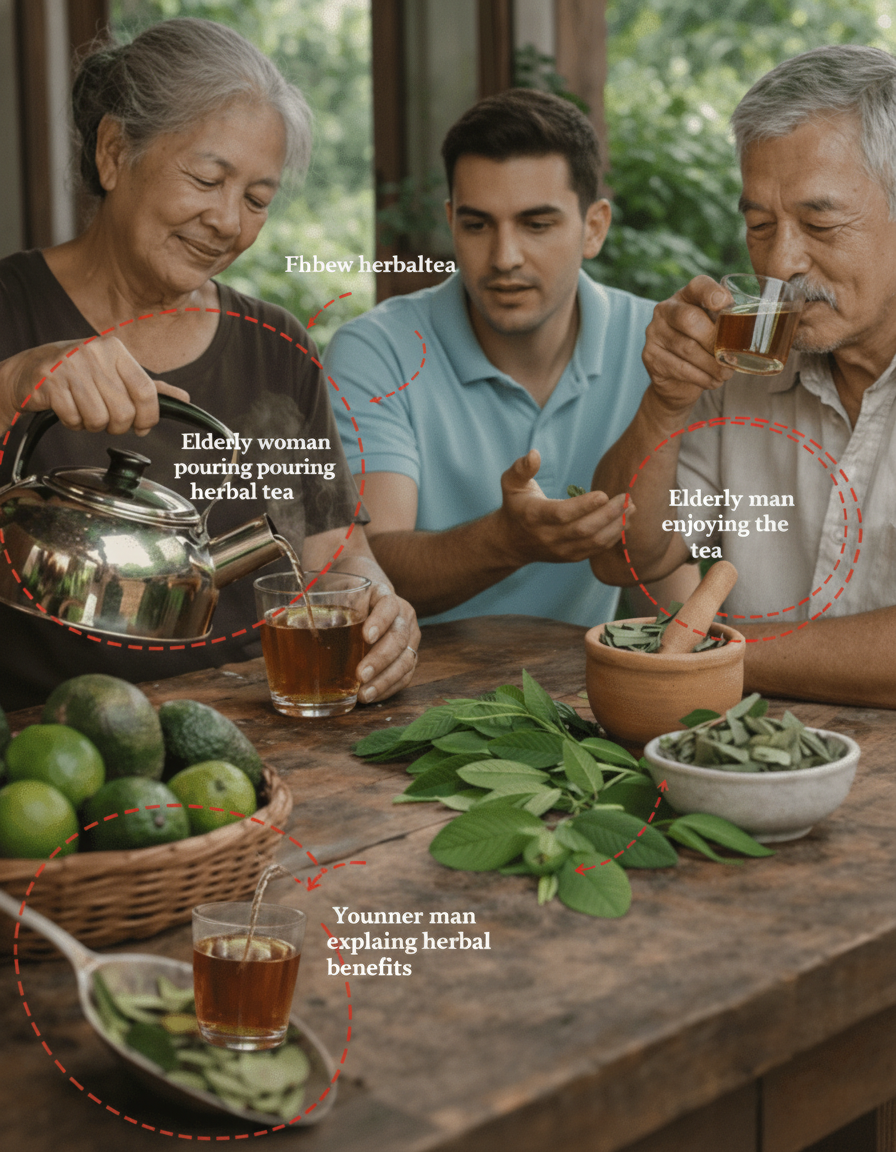
Guava leaves are a rich source of beneficial compounds, including quercetin and various other polyphenols. A growing body of research, encompassing both animal models and smaller human trials, indicates that guava leaf extract or tea may play a role in moderating post-meal blood glucose spikes by influencing carbohydrate absorption and enhancing insulin sensitivity. For example, several reviews and trials have observed improvements in markers of blood sugar control, alongside potential positive effects on lipid profiles and blood pressure within metabolic contexts. Furthermore, animal studies suggest protective effects on liver health through the reduction of oxidative stress. In many Asian regions, guava leaf tea has been a traditional remedy for digestive comfort and metabolic support.
2. Moringa Leaves: A Nutrient-Dense Powerhouse for Overall Well-being
Often dubbed the “miracle tree,” Moringa leaves are densely packed with essential vitamins, minerals, and a powerful array of antioxidants. Research primarily in animal models demonstrates promise for supporting glucose regulation, reducing lipid accumulation in the liver, and fostering better overall metabolic balance. Some studies have linked moringa consumption to improved insulin function and healthier liver enzyme levels in models addressing fatty liver concerns. Its inherent anti-inflammatory properties may also indirectly contribute to better circulatory health. Moringa’s broad and impressive nutrient profile makes it an increasingly popular addition to holistic herbal wellness routines globally.
3. Neem Leaves: Bridging Ancient Wisdom with Modern Research
Neem leaves boast a profound and extensive history within traditional Ayurvedic practices, where they have been revered for their wide-ranging medicinal properties. Preliminary scientific studies are actively exploring their significant antioxidant and anti-inflammatory effects, which could play a crucial role in supporting metabolic health, including the management of blood sugar and lipid levels. Limited research also suggests potential benefits for liver protection and circulation support by mitigating oxidative damage. However, it’s important to note that the current body of evidence for Neem’s specific metabolic benefits is less extensive compared to some other well-researched herbs.
4. Olive Leaves: Enhancing Circulation and Blood Pressure Support
Olive leaves, derived from the same tree that provides us with olive oil, are particularly recognized for their potent compounds, especially oleuropein. This key bioactive component has been the subject of research exploring its potential to aid in improving circulation and supporting healthy blood pressure levels in various contexts. Oleuropein is known for its antioxidant and anti-inflammatory properties, which may contribute to cardiovascular health by protecting blood vessels and promoting overall circulatory well-being.