 By admin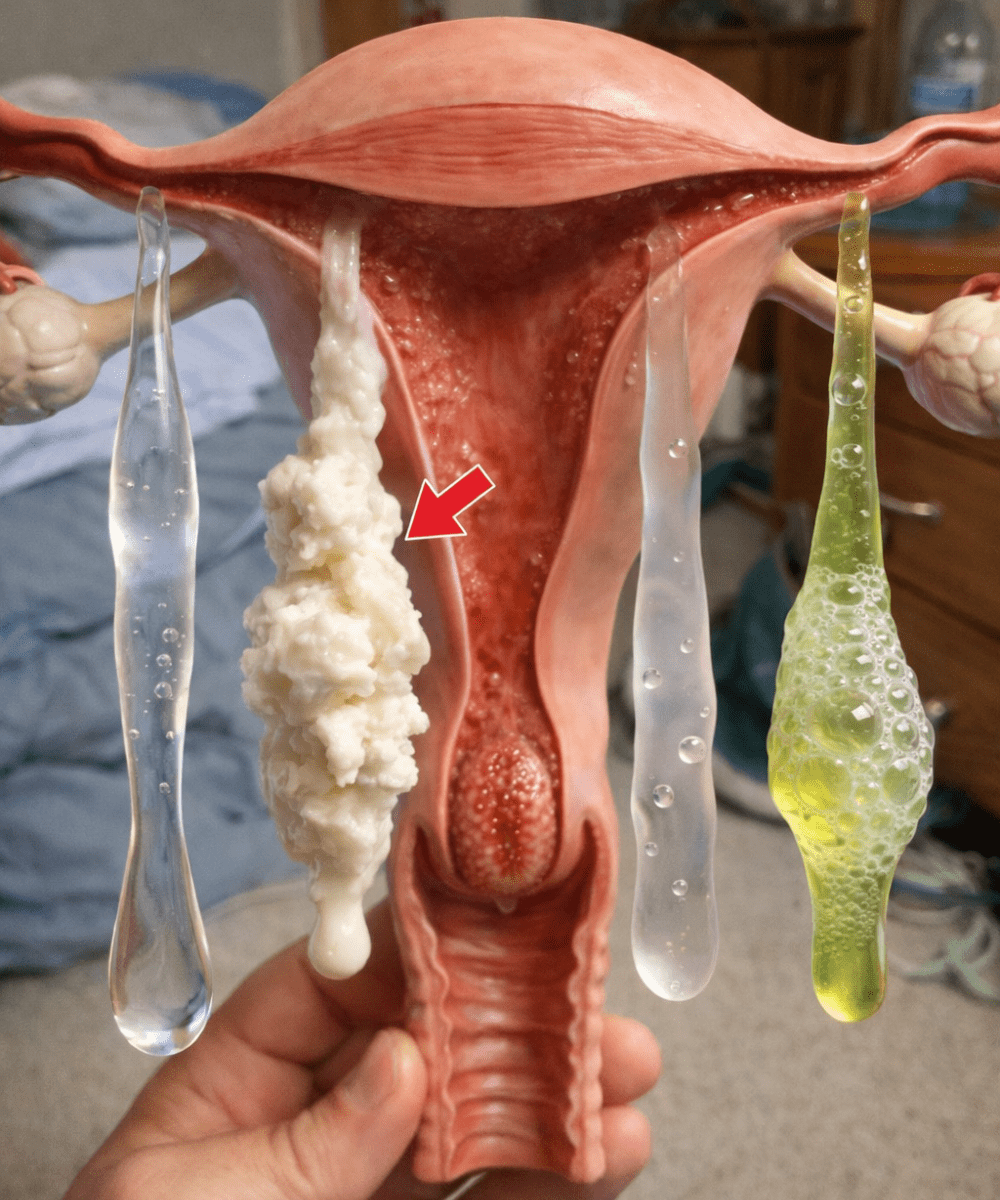
Many women notice changes in their vaginal discharge and immediately feel anxious — wondering if something is wrong, if it’s an infection, or if they should be worried. That quiet worry can turn into sleepless nights scrolling for answers or feeling too embarrassed to ask anyone. The truth is, most changes are completely normal, but ignoring the wrong ones can lead to bigger problems.
In this guide, you’ll finally understand exactly what your discharge is trying to tell you — and discover one subtle sign many women miss that can make all the difference.

What Is Vaginal Discharge — and Why Do You Have It?
Vaginal discharge is a natural fluid made by glands in your vagina and cervix. Its job is simple but crucial: it cleans the vagina, keeps it moist, and flushes out dead cells and bacteria.
Think of it as your body’s built-in housekeeping system. Without it, the risk of infection would be much higher.
Research from the American College of Obstetricians and Gynecologists (ACOG) confirms that healthy discharge is a sign of good vaginal health — not something “dirty” or shameful.

How Discharge Changes Throughout Your Cycle
Your discharge isn’t the same every day. It shifts with your hormones, and those changes are perfectly normal.
Right before ovulation, it often becomes clear, stretchy, and slippery — like raw egg whites. This helps sperm reach the egg if you’re trying to conceive.
After ovulation, it tends to get thicker and creamier. Near your period, it may decrease or mix with blood.
Stress, diet, and even medications can influence these patterns too. The key is knowing your own baseline.

What Normal Vaginal Discharge Looks Like
Healthy discharge usually has these traits:
- Clear, white, or slightly off-white color
- Mild or no odor at all
- Thin to thick consistency (depending on cycle phase)
- No itching, burning, or irritation
- Amount varies from a little to a few teaspoons daily
If your discharge fits this description most of the time, everything is likely working as it should.

Red Flags: When Discharge Might Signal a Problem
Sometimes changes are more than just hormonal. Pay attention if you notice:
- Yellow, green, or gray color
- Strong, fishy, or foul odor
- Frothy or unusually thick/clumpy texture
- Itching, burning, redness, or swelling
- Pain during sex or urination
These symptoms don’t always mean something serious, but they deserve professional attention.
Here’s the thing: self-diagnosing online can lead to unnecessary worry — or delay real care.
Common Causes of Abnormal Discharge
Yeast Infections (Candidiasis)
One of the most frequent issues women face. Caused by an overgrowth of naturally present yeast (Candida).
Typical signs:
- Thick, white, cottage-cheese-like discharge
- Intense itching and redness
- Burning during urination
Antibiotics, pregnancy, and diabetes can trigger outbreaks. Studies show up to 75% of women experience at least one in their lifetime.
Bacterial Vaginosis (BV)
The most common vaginal condition in women aged 15–44, according to the CDC.
Symptoms include:
- Thin, grayish-white discharge
- Strong fishy odor (especially after sex)
- Mild burning or irritation (or sometimes no symptoms)
BV happens when the balance of good and bad bacteria shifts. It’s not an STI, but sexual activity can increase risk.
Sexually Transmitted Infections (STIs)
Certain STIs can change discharge significantly:
| Condition | Discharge Appearance | Other Common Symptoms |
|---|---|---|
| Trichomoniasis | Frothy, yellow-green | Itching, soreness, pain during urination |
| Chlamydia | Yellow, sometimes with odor | Pelvic pain, bleeding between periods |
| Gonorrhea | Yellow or cloudy | Painful urination, spotting |
Early testing is essential — many STIs show no symptoms at first.
Other Factors That Can Affect Your Discharge
Hormonal birth control often increases discharge because of extra estrogen.
Pregnancy ramps up production to protect the uterus — leukorrhea (thick, milky discharge) is very common.
Stress and poor sleep disrupt hormones, which can lead to temporary changes.
Even diet matters: low hydration or high sugar intake can influence vaginal pH and flora.
Simple Habits for Better Vaginal Health
The vagina is self-cleaning — you don’t need special washes or douches. In fact, they often cause more harm.
Here’s what actually helps:
- Wash only the external area (vulva) with warm water and mild, unscented soap
- Wear breathable cotton underwear and change daily
- Wipe front to back after using the toilet
- Avoid tight synthetic clothing for long periods
- Stay hydrated and eat a balanced diet rich in probiotics
Small changes like these can prevent many common issues.
Discharge Through Different Life Stages
Puberty
Discharge often appears as one of the first signs of puberty. Many teens feel alarmed by stains in their underwear — but it’s completely normal and healthy.
Pregnancy
Volume increases significantly. As long as it’s white or clear and odorless, it’s protective.
Menopause
Estrogen drops, leading to less discharge and vaginal dryness. This raises infection risk and can cause discomfort during sex. Moisturizers and hormone therapy (discussed with a doctor) can help.
Actionable Steps You Can Take Today
- Track your cycle and discharge for a month — note color, texture, and any symptoms.
- Choose cotton underwear and loose clothing when possible.
- Avoid scented pads, tampons, sprays, and douches.
- Practice safe sex and get regular STI screenings if sexually active.
- Schedule a gynecologist visit if anything feels persistently off.
Listening to your body is one of the most powerful things you can do.
Final Thoughts
Vaginal discharge is not something to fear or hide — it’s a vital sign of your reproductive health. By understanding what’s normal for you, you can catch potential issues early and feel more confident in your body.
The subtle sign many women miss? A sudden increase in clear, watery discharge can sometimes signal ovulation — or, rarely, something else. Always trust your instincts and seek professional care when needed.
Knowledge removes shame and worry. You deserve to feel informed and empowered.
Frequently Asked Questions
Is it normal to have vaginal discharge every day?
Yes. Most women have some discharge daily. It only becomes concerning when color, odor, or symptoms change suddenly.
Can stress really affect vaginal discharge?
Absolutely. Chronic stress alters hormone levels, which can change discharge amount and consistency.
When should I see a doctor about discharge?
Any time you have unusual color, strong odor, itching, pain, or if symptoms last more than a few days.
Disclaimer: This article is for informational purposes only and is not a substitute for professional medical advice, diagnosis, or treatment. Always consult a qualified healthcare provider with any questions about your health.
(Word count: 1,287)