 By admin
 Understanding Your Vagina’s Scent: When a Sour Smell is Normal, What It Could Mean, and When to Seek Medical Advice
It’s quite common for women to experience a mild sour or tangy scent from their intimate area periodically. This natural occurrence often prompts questions and sometimes concern, particularly if the odor seems more pronounced than usual. While this subtle acidity plays a crucial role in maintaining vaginal health, an intensified smell accompanied by symptoms like itching, irritation, or unusual discharge can certainly lead to worry and self-consciousness. The reassuring news is that many instances of a sour vaginal smell are linked to everyday factors or simply indicate your body is in healthy balance. However, distinguishing between a normal bodily function and a potential issue is key, and this guide will equip you with the knowledge to feel confident and informed.
The Protective Power of pH: Why a Mild Sour Vaginal Smell Can Indicate Health
Your vagina naturally sustains a slightly acidic environment, typically falling within a pH range of 3.8 to 4.5. This crucial acidity is primarily due to the presence and activity of beneficial bacteria, known as Lactobacilli. As these bacteria flourish, they produce lactic acid, which is vital for maintaining a healthy vaginal ecosystem. This inherent acidic state acts as a formidable protective barrier, actively working to inhibit the overgrowth of harmful bacteria and pathogens.
Extensive research underscores that a thriving vaginal microbiome, rich in Lactobacilli, is fundamental for overall intimate wellness and significantly lowers the risk of infections. Consequently, many individuals describe a subtle, clean, yogurt-like, or faintly yeasty scent – perhaps reminiscent of sourdough or even beer yeast. This mild sourness is frequently a positive indicator of a well-balanced internal environment, rather than a cause for concern. Yet, it’s important to understand that this isn’t always the complete story…
Beyond the Norm: 4 Common Reasons for a Noticeable Sour Vaginal Odor
Identifying the underlying causes behind a change in vaginal odor is crucial for distinguishing between what’s perfectly normal and what might warrant further attention. Here are four primary factors:
1. Your Body’s Healthy Balance (Physiological pH)
As previously mentioned, the most frequent cause of a subtle sour scent is simply your body’s natural physiological pH balance, meticulously upheld by Lactobacilli. This healthy odor is typically light, never overpowering, and is not accompanied by any irritation or discomfort. This acidity is a vital mechanism that keeps undesirable microbes at bay, signifying robust vaginal health rather than a problem.
2. Yeast Overgrowth (Candidiasis)
When the delicate vaginal balance is disrupted – perhaps by factors like antibiotic use, hormonal fluctuations, or excessive moisture – Candida, a type of yeast naturally residing in the vagina, can proliferate. This overgrowth commonly results in a distinctly stronger sour or yeasty smell, often likened to fermenting beer or baking bread. This potent odor is frequently accompanied by other noticeable symptoms, including thick, white, cottage cheese-like discharge, intense itching, redness, and a burning sensation. Unlike the subtle, healthy scent, these symptoms indicate a disruptive infection.
3. Bacterial Imbalance (Bacterial Vaginosis – BV)
Bacterial Vaginosis (BV) arises when the beneficial bacteria in the vagina are overwhelmed by an overgrowth of other, less desirable bacteria, leading to an altered vaginal environment. While BV is most famously associated with a strong, fishy odor, particularly noticeable after intercourse, it’s important to recognize that some individuals may experience a mixed or subtly changing scent that could include sour notes, especially in its initial phases. Other common indicators of BV include thin, grayish, or milky discharge, and potentially mild irritation. While distinct from a classic yeast infection’s sour profile, the nuances of BV can sometimes present with overlapping or less typical odors.
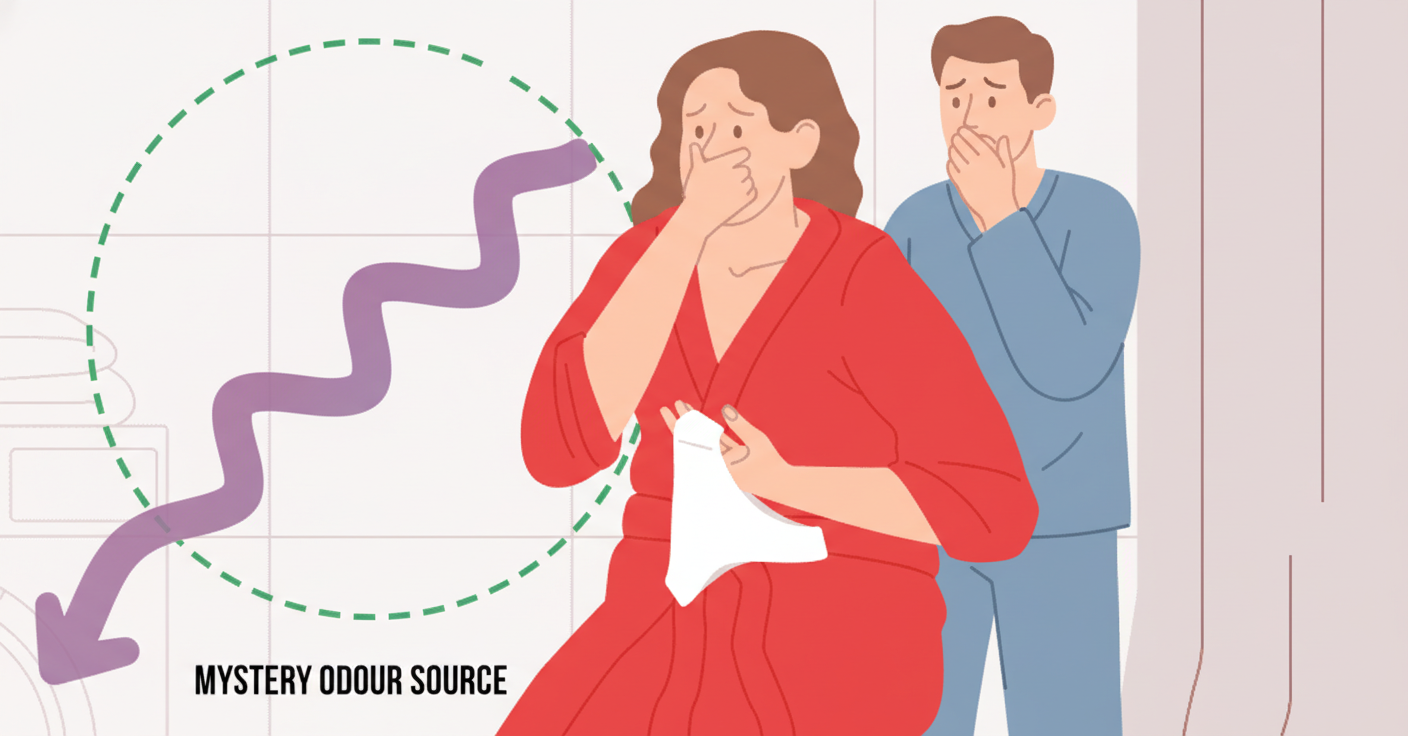
4. Lifestyle and Hygiene Practices
Certain daily habits and hygiene practices can inadvertently contribute to changes in vaginal odor. Wearing tight clothing or non-breathable synthetic fabrics, remaining in damp workout attire or swimsuits for extended periods, and using harsh or scented soaps can all trap moisture and sweat. This creates an environment conducive to subtle pH shifts and can intensify natural odors. Insufficient drying after washing or using certain types of menstrual products (like scented pads or tampons) can also play a role. The good news is that these factors are often easily adjustable, leading to quick resolution of the odor.
Quick Reference: Differentiating Vaginal Odors and Symptoms
To help you quickly discern the potential cause of a sour vaginal smell, consider this comparison:
- Normal Mild Sour Scent: Typically light, subtly tangy, without any accompanying discomfort, and tends to fluctuate naturally.
- Yeast Infection (Candidiasis): Often presents with a stronger, distinctly yeasty or sour smell, accompanied by thick, white, clumpy discharge, intense itching, redness, or a rash.
- Bacterial Vaginosis (BV): Commonly characterized by a fishy odor (which may intensify after sex), but can sometimes include varying or mixed scents. Discharge is usually thin, grayish, or milky.
- Hygiene/Lifestyle Related: Odor often improves rapidly with adjustments to clothing, prompt changing out of damp attire, and adopting gentler intimate care practices.
Empowering Your Vaginal Health: Practical Tips for Comfort and Freshness
Proactively supporting a healthy vaginal environment can significantly improve comfort and help manage natural odors. Consider incorporating these simple, actionable steps into your routine:
- Opt for Breathable Fabrics: Prioritize cotton underwear and loose-fitting clothing to allow for proper air circulation and minimize moisture accumulation in the intimate area.
- Change Promptly After Activity: Avoid remaining in damp swimsuits or sweaty gym clothes for extended periods, as this can create a breeding ground for bacteria and yeast.
- Practice Gentle Hygiene: Cleanse the external vulvar area with warm water and a mild, unscented soap. Crucially, refrain from douching, as it severely disrupts the vagina’s natural pH and beneficial bacterial balance.
- Wipe Correctly: Always wipe from front to back after using the toilet to prevent the transfer of bacteria from the anal region to the vagina.
- Hydrate and Consider Probiotics: Maintain good hydration by drinking plenty of water. Incorporating probiotic-rich foods, such as plain yogurt, into your diet may help support a healthy bacterial balance, though individual results can vary.
- Choose Unscented Products: Steer clear of scented pads, tampons, feminine washes, and sprays. These products often contain chemicals that can cause irritation and disrupt the delicate vaginal ecosystem.
Consistently applying these habits can often lead to a noticeable improvement in vaginal comfort and odor within a few days.
When to Seek Professional Medical Advice for Vaginal Odor
While many changes in vaginal odor are harmless or easily resolved, it’s crucial to know when to consult a healthcare professional. Do not hesitate to schedule an appointment with your gynecologist if a sour vaginal smell is accompanied by any of the following concerning symptoms:
- Persistent or Intensifying Odor: If the sour smell becomes significantly stronger, more pervasive, or simply doesn’t go away despite hygiene adjustments.
- Unusual Discharge: Any change in the color, consistency, or amount of vaginal discharge, especially if it’s thick, clumpy, grayish, or watery.
- Itching, Burning, or Irritation: Persistent discomfort, itching, burning sensation during urination, or general irritation in the vulvar or vaginal area.
- Pain or Discomfort: Pain during intercourse or general pelvic discomfort.
- Redness or Swelling: Visible redness, inflammation, or swelling of the vulva.
- New Symptoms After Sex: If symptoms appear or worsen after sexual activity.
Early assessment by a doctor can lead to an accurate diagnosis and appropriate treatment, providing quicker relief and peace of mind. Your gynecologist can help determine if the odor is a sign of an infection (like a yeast infection or BV), a sexually transmitted infection (STI), or another underlying condition.