 By admin
 Nourishing Your Arteries: Essential Foods for Optimal Heart Health
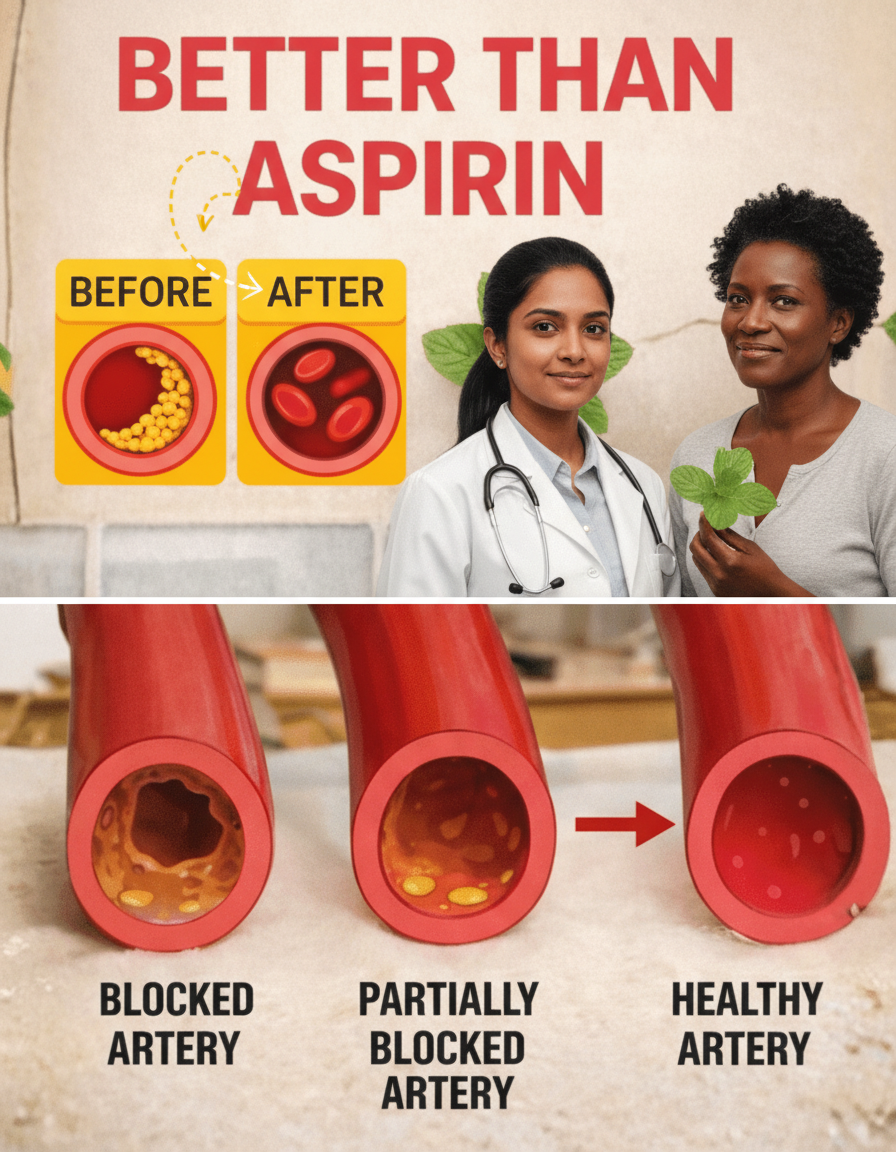
The silent progression of atherosclerosis, characterized by plaque buildup within arterial walls, is a major cardiovascular concern. This gradual accumulation of cholesterol, fats, and other particles can narrow arteries, impeding vital blood flow and significantly increasing the risk of serious events like heart attacks and strokes. For many, the prospect of declining cardiovascular health, often exacerbated by sedentary lifestyles, chronic stress, and suboptimal dietary choices, is a source of considerable anxiety.
However, the good news is that strategic dietary interventions can play a profound role. Scientific research consistently demonstrates that integrating specific nutrient-dense foods into your daily regimen can bolster arterial health, mitigate inflammation, and enhance overall circulation. Join us as we delve into these readily available dietary powerhouses, all backed by research for their heart-protective qualities, including a particularly potent, yet frequently underestimated, ingredient that deserves a permanent spot in your culinary repertoire.
Understanding How Arteries Can Become Narrowed Over Time
Understanding the mechanics of arterial narrowing is crucial for proactive heart care. As plaque accumulates, it progressively constricts the arteries, diminishing blood flow and elevating the likelihood of critical cardiovascular incidents. Diet stands out as a pivotal factor in this intricate process. A wealth of scientific evidence indicates that a consistent intake of nutrient-rich choices can significantly impede the advancement of atherosclerosis and foster more robust vascular function. While it’s important to note that no individual food can reverse existing plaque, a concerted effort to incorporate these beneficial foods alongside broader lifestyle modifications presents a pragmatic and effective strategy for cultivating long-term heart wellness. This dietary approach forms a cornerstone of comprehensive cardiovascular care.
Garlic: A Potent Kitchen Staple for Cardiovascular Support
Garlic, a culinary cornerstone across cultures, boasts an impressive scientific portfolio supporting its profound benefits for heart health. Key bioactive compounds, particularly allicin, are believed to play a role in promoting vasodilation—the relaxation of blood vessels—which in turn helps maintain healthy blood pressure. Furthermore, garlic demonstrates antioxidant properties, helping to mitigate oxidative stress that can negatively impact cholesterol and arterial walls. Consistent research highlights a link between regular garlic consumption and enhanced arterial elasticity, alongside positive shifts in various cardiovascular indicators. Its widespread availability and ease of integration into daily meals make it an accessible ally; even modest, consistent intake can yield significant long-term advantages.
- To maximize its health-promoting properties, finely mince or crush fresh garlic into dishes such as salads, soups, stir-fries, or roasted vegetables.
- Allow it to rest for a few minutes before heating to fully activate its beneficial compounds.
Extra Virgin Olive Oil: The Mediterranean Secret for Enhanced Circulation
Extra virgin olive oil (EVOO) is celebrated globally, particularly as a pillar of the Mediterranean diet, for its exceptional cardiovascular benefits. Rich in monounsaturated fatty acids and powerful polyphenols, EVOO actively combats oxidative stress and inflammation—two critical factors in the development and progression of arterial disease. Numerous studies consistently correlate the consumption of olive oil with lower rates of heart disease and improved lipid profiles, including healthier cholesterol levels. Transitioning to EVOO for cooking and as a dressing is a simple yet impactful step towards bolstering heart health.
- Drizzle it generously over fresh salads, steamed vegetables, or use it for low-to-medium heat sautéing to preserve its delicate compounds.
- To maintain its protective qualities, avoid using it for high-heat frying.
Berries: Nature’s Antioxidant Powerhouses for Vessel Protection
From vibrant blueberries to succulent strawberries and tart raspberries, a variety of berries offer a delicious way to fortify your cardiovascular system. These small fruits are packed with anthocyanins and other potent antioxidants that actively support the structural integrity of artery walls, reduce systemic inflammation, and optimize blood vessel function. Extensive research consistently links higher berry intake to superior cardiovascular outcomes and a reduction in associated risk factors. Their natural sweetness makes incorporating them into a healthy diet both easy and enjoyable.
- Enjoy a handful of fresh berries as a nutritious snack.
- Mix them into your morning yogurt or oatmeal.
- Blend them into smoothies for a quick and flavorful nutrient boost.
Leafy Greens: Everyday Nutrient Powerhouses for Optimal Circulation
Leafy green vegetables like spinach, kale, and Swiss chard are foundational for a heart-healthy diet. They are abundant in nitrates, compounds that the body converts into nitric oxide, promoting vessel dilation and improving blood flow. Furthermore, their high fiber content assists in managing cholesterol absorption, contributing to healthier lipid levels. Scientific investigations underscore their crucial role in maintaining arterial elasticity and supporting overall circulatory efficiency. Many individuals report enhanced energy and a general sense of well-being when these greens become a regular part of their meals.
- Lightly steam or sauté them to retain nutrients.
- Incorporate them into smoothies, soups, and salads for versatility.
Nuts and Seeds: Compact Sources of Healthy Fats and Essential Minerals
Almonds, walnuts, chia seeds, and flaxseeds are nutritional powerhouses, offering a concentrated blend of beneficial components. They are rich in omega-3 fatty acids, magnesium, fiber, and plant sterols, all of which work synergistically to reduce inflammation and support favorable lipid profiles. Clinical evidence strongly supports the regular consumption of nuts and seeds for their protective effects against heart disease. A small daily portion can go a long way in contributing to cardiovascular wellness, while also keeping calorie intake in check.
- Sprinkle approximately one ounce (about a small handful) on yogurt, salads, or oatmeal.
- Enjoy them plain as a satisfying and nutrient-dense snack.
Fatty Fish: Omega-3 Richness for Reduced Plaque Risk
Fatty fish such as salmon, mackerel, and sardines are celebrated for their exceptional content of EPA and DHA omega-3 fatty acids. These essential fats are instrumental in managing triglyceride levels and actively discouraging the formation and accumulation of arterial plaque. Beyond their lipid-regulating capabilities, omega-3s are renowned for their potent anti-inflammatory effects, which are crucial for maintaining healthy arterial walls and supporting overall cardiovascular function. Regular inclusion of fatty fish in your diet, ideally two servings per week, is a cornerstone of heart-healthy eating.
Embrace a Heart-Healthy Lifestyle
Embracing a diet rich in these powerful, research-backed foods is a proactive and enjoyable way to safeguard your cardiovascular health. While no single food acts as a magic bullet for arterial cleansing, the cumulative effect of consistent, nutrient-dense choices, coupled with a balanced lifestyle that includes regular physical activity and stress management, provides robust and holistic support for clear arteries and a healthy heart. Start incorporating these delicious ingredients into your meals today to invest in a healthier and more vibrant future.