 By admin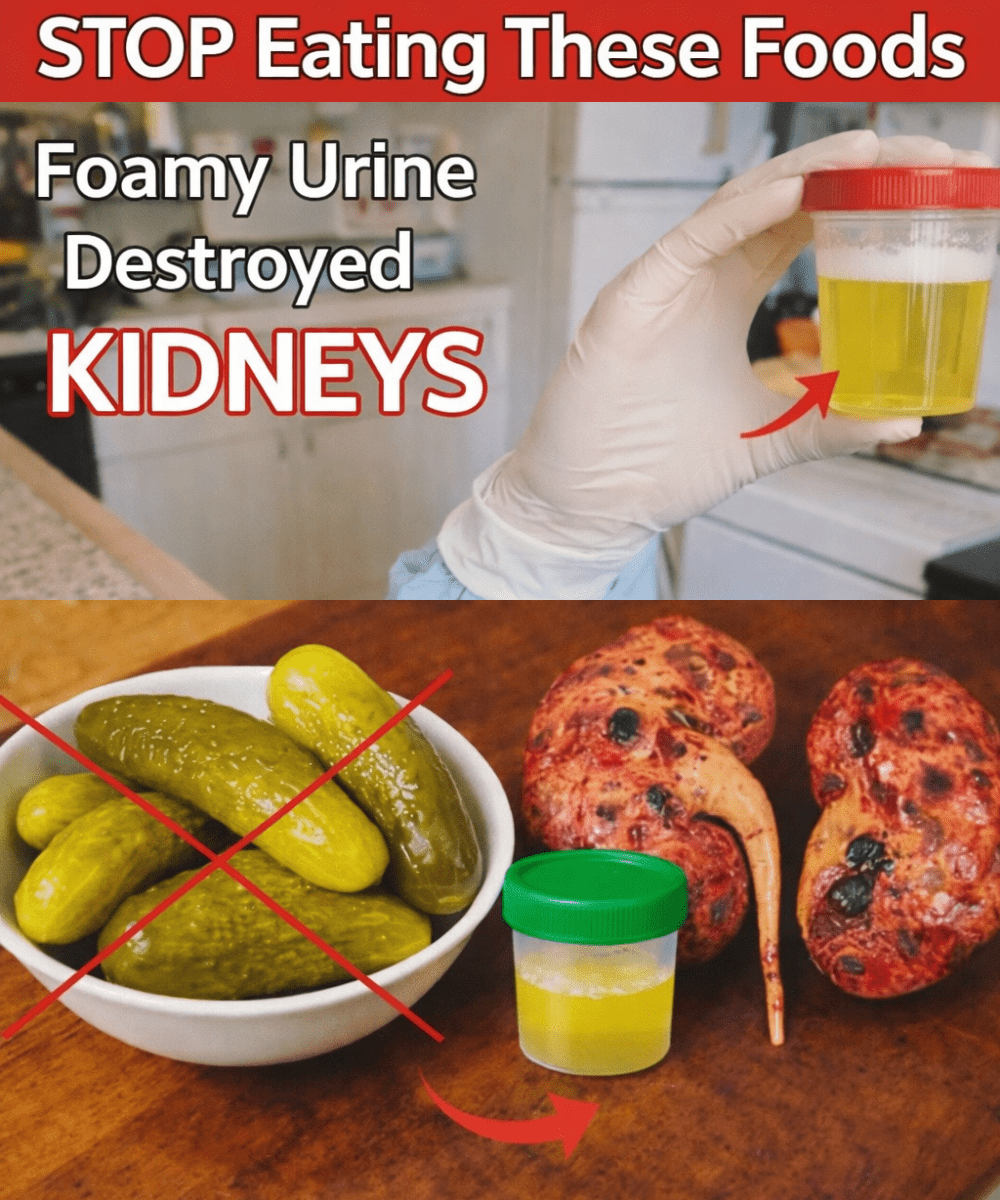
Imagine waking up with slightly swollen ankles, noticing your urine looks a bit foamy, and feeling unusually tired even after a full night’s sleep. You might brush it off as stress or not drinking enough water, but these subtle signs could point to something more serious happening inside your body. Excess protein leaking into your urine—known as proteinuria—often develops quietly, and certain foods you eat every day could be making it worse without you realizing it.
The good news? Small changes to your diet can make a real difference in supporting kidney health. Keep reading to discover the six common foods that research suggests may contribute to kidney strain—and the simple swaps that can help you feel better.

Understanding Proteinuria: Why It Matters
Your kidneys act as the body’s natural filters, removing waste while keeping essential proteins like albumin in your bloodstream. When the tiny filters (glomeruli) become stressed or damaged, protein can leak into the urine. This condition, called proteinuria, is often an early warning sign of kidney stress and can be linked to high blood pressure, diabetes, or other underlying issues.
Research shows that reducing certain dietary triggers—like excess sodium and processed additives—can help lower urinary protein levels in some people. The key is identifying which everyday foods might be adding to the burden.
The 6 Foods That May Contribute to Kidney Strain
Here are six common foods that studies and clinical observations suggest could worsen proteinuria or increase kidney workload when consumed frequently.
1. Processed Meats
Deli meats, bacon, sausages, and cured ham are convenient sources of protein, but they’re often loaded with sodium and phosphorus additives. High sodium intake can raise blood pressure, putting extra pressure on the kidneys’ filtering system.
Studies indicate that excessive sodium can contribute to fluid retention and increased protein leakage. Even “lean” options like turkey bacon or low-fat deli slices can contain surprising amounts of hidden salt.
Better choice: Opt for fresh, unseasoned poultry, fish, or plant-based proteins like tofu.

2. High-Protein Supplements and Shakes
Protein powders and ready-made shakes are popular for muscle building and meal replacement, but consuming large amounts regularly can increase the kidneys’ filtration demand. This added workload may be particularly challenging if kidney function is already compromised.
Research on high-protein diets suggests that excessive intake can raise glomerular pressure over time. For most people, whole-food protein sources are safer and more balanced.
Better choice: Get protein from whole foods like eggs, lentils, Greek yogurt (in moderation), or quinoa.
3. High-Sodium Condiments and Sauces
Soy sauce, teriyaki sauce, bottled salad dressings, and packaged seasoning mixes often contain concentrated sodium—one tablespoon of regular soy sauce can deliver nearly half the daily recommended limit.
Excess sodium promotes fluid retention and hypertension, both of which can aggravate proteinuria. Studies have shown that lowering sodium intake can significantly reduce urinary protein in people with kidney concerns.
Better choice: Use fresh herbs, lemon juice, garlic, or low-sodium tamari sparingly.

4. Fried and Fast Foods
Deep-fried items and typical fast-food meals are usually high in trans fats, sodium, and phosphorus additives. These can trigger inflammation and oxidative stress, which may affect kidney tissue over time.
Regular consumption of fried foods has been associated with higher risk of chronic kidney issues in population studies.
Better choice: Bake, grill, or air-fry foods at home using healthy oils like olive or avocado oil.
5. Canned and Highly Processed Convenience Foods
Canned soups, instant noodles, frozen meals, and even some canned beans often contain added sodium and phosphate preservatives. These phosphates can accumulate when kidney function is reduced, adding extra strain.
Research highlights that dietary phosphorus from additives may contribute to kidney stress more than naturally occurring phosphorus.
Better choice: Choose fresh or frozen vegetables and low-sodium canned options, and rinse beans thoroughly.

6. Artificial Sweeteners in Diet Drinks
Diet sodas and sugar-free beverages sweetened with aspartame, sucralose, or similar compounds are marketed as calorie-free alternatives. However, large observational studies, including one from Harvard involving thousands of participants, have linked regular consumption of diet drinks to faster decline in kidney function over time.
While more research is needed, the potential impact on metabolism and inflammation raises concern for kidney health.
Better choice: Plain water, herbal teas, or naturally flavored sparkling water.
Quick Comparison: Common Foods vs. Kidney-Friendly Alternatives
| Food Category | Common Choice | Potential Concern | Kidney-Friendly Swap |
|---|---|---|---|
| Meats | Processed deli meats | High sodium & preservatives | Fresh grilled chicken or fish |
| Protein sources | Whey/casein shakes | High filtration demand | Lentils, eggs, or Greek yogurt |
| Condiments | Regular soy sauce | Excessive sodium | Herbs, lemon, or low-sodium versions |
| Snacks/Meals | Fried fast food | Trans fats & inflammation | Baked or air-fried homemade versions |
| Convenience foods | Canned soups/noodles | Phosphate additives | Fresh or frozen produce |
| Beverages | Diet soda | Artificial sweeteners | Herbal tea or infused water |
Practical Steps to Support Your Kidney Health
Making changes doesn’t have to be overwhelming. Here are actionable steps you can start today:
- Read labels carefully — Aim for foods with less than 200 mg sodium per serving and avoid ingredients ending in “PHOS.”
- Limit added salt — Keep daily sodium under 2,000 mg (about 1 teaspoon total).
- Balance protein intake — Most adults need around 0.8 grams per kg of body weight from varied sources.
- Stay hydrated — Drink water throughout the day (unless your doctor advises fluid restriction).
- Choose whole foods — Prioritize fresh fruits, vegetables, whole grains, and lean proteins.
- Monitor portions — Even healthy foods can add up if eaten in large quantities.
Final Thoughts
Small, consistent dietary adjustments can go a long way toward reducing kidney stress and supporting overall health. By becoming more aware of hidden sodium, processed additives, and excessive supplements, you give your kidneys a better chance to function optimally.
Every meal is an opportunity to make a kidney-friendly choice. Start with one or two swaps this week and build from there.
Frequently Asked Questions
What is proteinuria and how do I know if I have it?
Proteinuria means excess protein in the urine, often detected through a simple urine test at your doctor’s office. Symptoms can include foamy urine or swelling, but many people have no noticeable signs.
Can diet alone reverse proteinuria?
Diet can help manage contributing factors and support kidney health, but it depends on the underlying cause. Always work with your healthcare provider for proper evaluation and guidance.
Are all high-protein foods bad for kidneys?
No—moderate amounts from whole-food sources are generally fine for healthy kidneys. The concern arises with excessive intake or processed forms, especially if kidney function is already reduced.
This article is for informational purposes only and is not a substitute for professional medical advice. Please consult your healthcare provider for personalized recommendations regarding diet and kidney health.