 By admin
 Common Eye Conditions: Recognizing Symptoms, Understanding Causes, and Prioritizing Daily Eye Health
Have you ever woken up with red, irritated eyes, making everyday tasks feel uncomfortable? Many people encounter minor ocular issues that, while initially small, can significantly impact comfort, appearance, and even daily life if left unaddressed. These prevalent conditions range from simple irritation to more noticeable changes in how your eyes look or feel, often linked to everyday factors like sun exposure, extensive screen time, or inadequate hygiene habits. Understanding what these conditions entail can help you identify early signs and take proactive steps to support your eye comfort. It’s important to recognize that while some changes are immediately visible, others develop quietly over time. Therefore, staying informed about these common eye conditions can reveal simple habits that make a substantial difference in keeping your eyes feeling fresh and healthy longer than you might expect.
What a Healthy Eye Looks Like
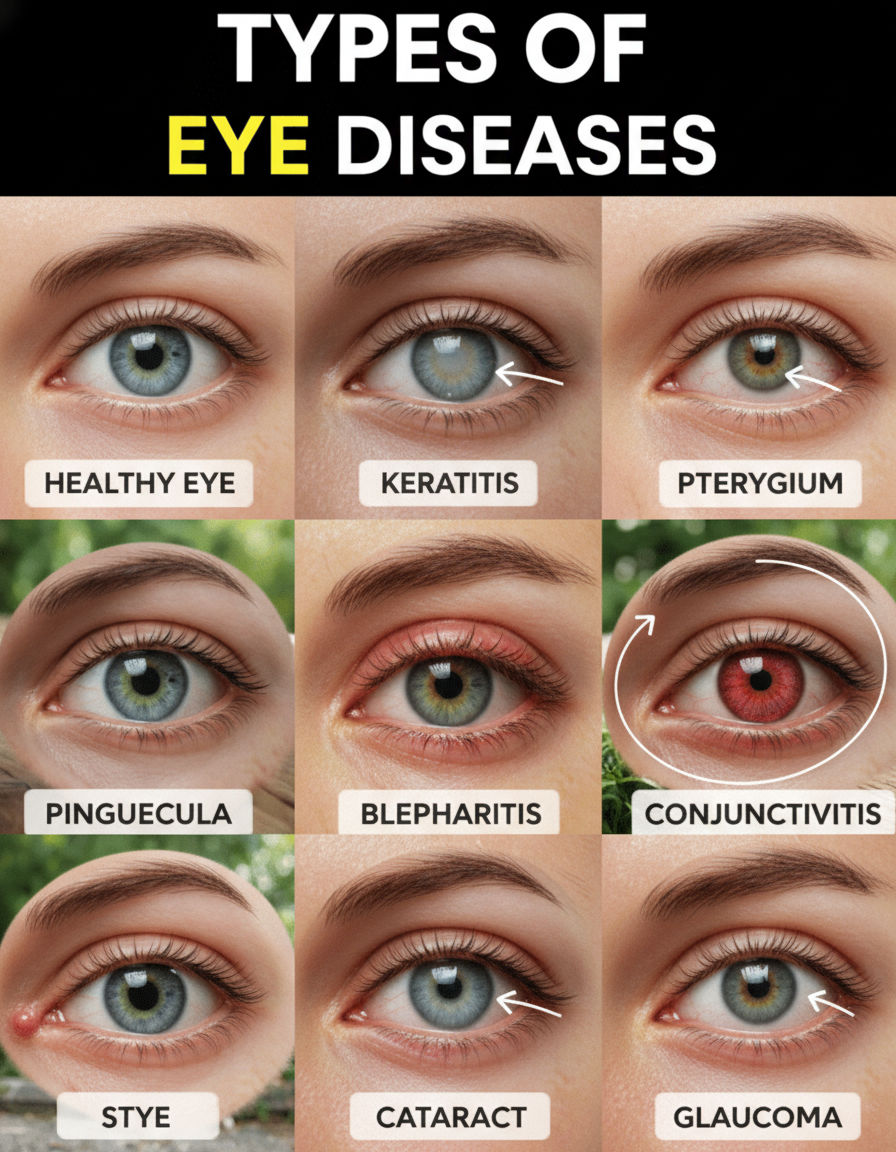
A healthy eye typically presents as clear and vibrant, featuring a smooth, perfectly transparent cornea – the crucial front surface – and a pristine white sclera, devoid of any abnormal redness or opaqueness. The conjunctiva, which is the delicate membrane covering the white of the eye, maintains a pale pink hue, free from swelling or any unusual discharge. Furthermore, vision is consistently sharp, without any lingering blurriness, heightened sensitivity to light, or a persistent gritty feeling. Sustaining this optimal ocular state largely depends on consistent daily care practices, particularly safeguarding against various environmental stressors.
Keratitis: Inflammation of the Cornea
Keratitis is characterized by the inflammation of the cornea, which is the transparent, outermost layer of the eye. This condition can cause the eye to develop a cloudy or hazy appearance, frequently accompanied by distinct redness surrounding the corneal area. Individuals suffering from keratitis might experience pain, blurred vision, heightened light sensitivity (photophobia), or a sensation as if a foreign object is lodged in the eye. Frequent causes include the prolonged or improper use of contact lenses, minor ocular injuries, or various infections (such as viral, bacterial, or fungal). Insights from leading eye health organizations consistently underscore that meticulous contact lens hygiene is paramount in mitigating the risks associated with developing this particular eye condition.
Pterygium: Fleshy Growth on the Eye’s Surface
Pterygium manifests as a benign, fleshy, and typically triangular-shaped tissue growth that originates on the conjunctiva and can progressively extend onto the cornea. It often presents as a raised lesion, which may cause the eye to appear irritated or noticeably red in the affected region. This common ocular condition frequently arises from chronic exposure to ultraviolet (UV) light, wind, dust, or arid environmental conditions, leading to its colloquial designation as “surfer’s eye” among individuals with lifestyles dominated by sunny, outdoor activities. Extensive research consistently indicates that diligent UV protection, such as wearing sunglasses, significantly reduces the likelihood of this growth developing or advancing.
Pinguecula: Yellowish Bump Adjacent to the Cornea
A Pinguecula typically presents as a small, yellowish, slightly raised lesion located on the conjunctiva, usually situated near the limbus – the junction where the white sclera meets the iris. While generally painless, it can give the eye a subtly bumpy appearance or become irritated if inflamed. Similar to pterygium, its development is frequently associated with prolonged sun exposure, dry eyes, and various environmental irritants over many years. This growth is benign (non-cancerous) and often remains asymptomatic and stable. Ocular specialists consistently recommend that utilizing sunglasses when outdoors is a crucial practice for maintaining excellent long-term eye surface health, particularly in sunny or arid environments.
Blepharitis: Chronic Eyelid Inflammation
Blepharitis is characterized by persistent redness, crust formation, and flaking along the edges of the eyelids, often accompanied by intense itchiness or a burning, gritty sensation. The eyelashes themselves may exhibit a dandruff-like appearance or become matted together. This common ocular condition is frequently associated with underlying skin issues, such as seborrheic dermatitis (dandruff), or dysfunction of the oil-producing meibomian glands located within the eyelids. Implementing gentle, consistent eyelid hygiene routines, a practice highly endorsed by numerous eye care professionals and guidelines, is fundamental in effectively managing the discomfort and chronic nature of this condition.
Conjunctivitis (Pink Eye): Redness, Irritation, and Discharge
Conjunctivitis, more commonly known as “pink eye,” causes the white part of the eye to appear distinctly bright red or pink. This condition is frequently accompanied by various types of discharge, which can be watery, mucous-like, or even thicker and purulent. Sufferers often describe their eyes as feeling itchy, gritty, or sticky. The etiology of conjunctivitis is diverse, encompassing viral infections (often concurrent with common colds), bacterial infections, or allergic reactions triggered by substances like pollen, dust, or other environmental irritants. Public health authorities consistently stress the critical importance of frequent handwashing and refraining from rubbing the eyes to prevent the spread of this condition, particularly its highly contagious forms.
Stye (Hordeolum): Painful Eyelid Swelling
A stye, medically termed a hordeolum, presents as a red, tender, pimple-like bump or localized swelling typically found along the edge of the eyelid. It is often quite painful to the touch and causes noticeable localized redness. This common eyelid condition results from an acute bacterial infection affecting an oil gland or a hair follicle situated at the base of an eyelash. Applying warm compresses is a widely recommended and effective supportive measure to alleviate discomfort and promote healing in such instances.
Cataract: Clouding of the Eye’s Natural Lens
A cataract is a prevalent eye condition where the eye’s normally clear natural lens becomes progressively cloudy or opaque. This opacification leads to a range of visual disturbances, including blurred or hazy vision, heightened sensitivity to glare (particularly from bright lights), colors appearing faded or yellowed, and significant difficulty seeing clearly at night. In advanced stages, the pupil area, which is typically black, may visibly appear milky or hazy. While cataracts are a natural part of the aging process, other factors like diabetes, eye injuries, or prolonged steroid use can accelerate their development. Fortunately, cataracts are treatable through a surgical procedure to replace the cloudy lens with an artificial one, restoring clear vision for many individuals.