 By admin
 Unlocking Natural Thyroid Health: The Essential Role of Iodine and Selenium
Many individuals grappling with thyroid nodules often find themselves frustrated when discussions primarily revolve around hormone levels, leaving them to wonder if a crucial piece of the puzzle is missing. These small growths within the thyroid gland can lead to discomfort, anxiety over potential size changes, or simply the ongoing need for medical monitoring, adding a layer of stress to daily life.
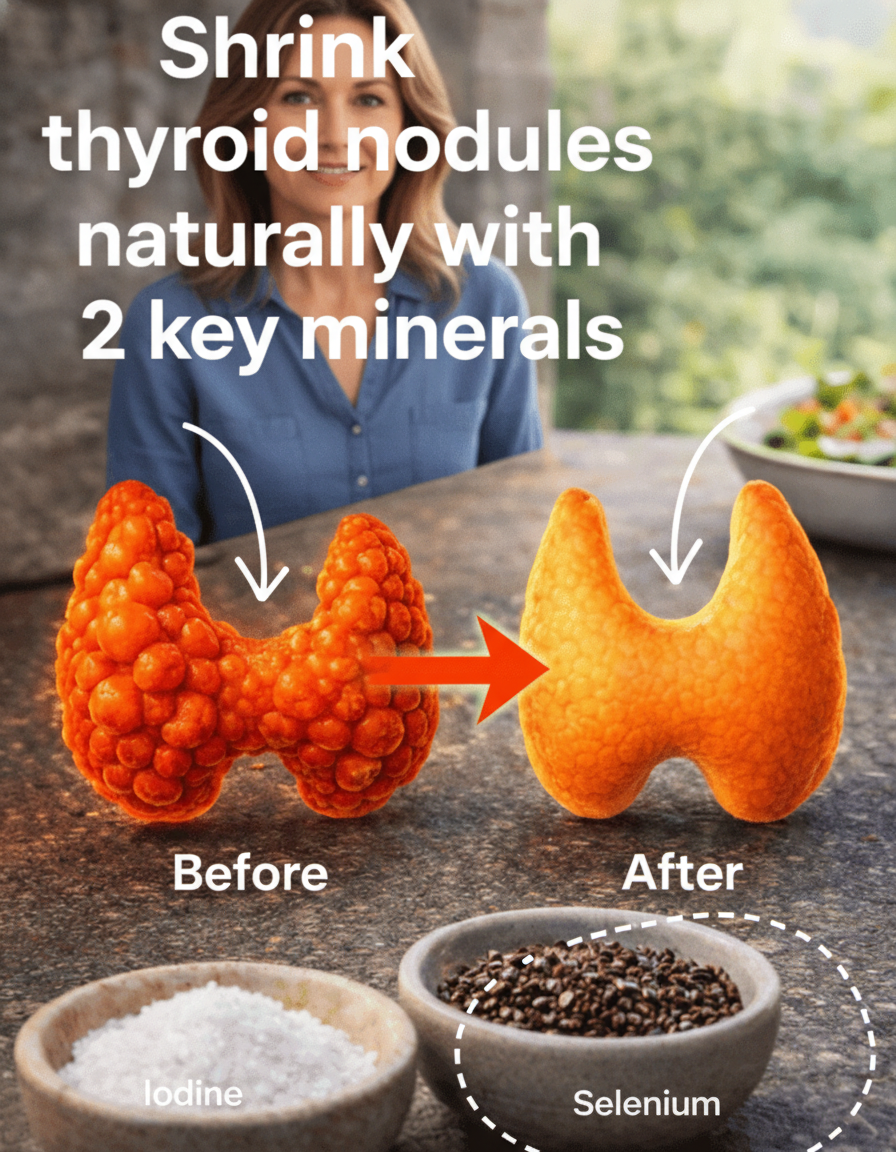
What frequently goes overlooked is the profound impact certain mineral deficiencies can have on overall thyroid wellness. Research consistently highlights two indispensable minerals—iodine and selenium—as key players in supporting optimal thyroid function. But there’s a fascinating dynamic that many miss: the intricate balance and synergy between these two minerals significantly influence thyroid health in ways that extend beyond basic nutritional intake. Keep reading to discover how they collaborate and practical strategies for thoughtfully incorporating them into your diet.
Why Minerals Are More Critical Than You Think for Thyroid Wellness
The thyroid gland, a vital endocrine organ, relies heavily on specific micronutrients to efficiently produce, convert, and regulate its hormones. When essential minerals are in short supply, the gland’s ability to function optimally can be compromised, potentially contributing to issues like nodule formation or enlargement. Numerous studies have established connections between an individual’s mineral status and various thyroid conditions.
- For example, research indicates a correlation between lower selenium levels and an elevated risk of thyroid enlargement and nodule development in certain populations.
- Similarly, iodine forms the fundamental building block for thyroid hormones (T3 and T4). Both insufficient intake and, in some cases, excessive iodine can adversely affect the gland’s structure and function.
Here’s the crucial insight: these two minerals do not operate in isolation; rather, they engage in a close and cooperative relationship. Selenium plays a vital role in safeguarding thyroid cells from oxidative stress and facilitating the conversion of inactive thyroid hormones into their active forms, while iodine provides the indispensable raw material for hormone synthesis. When both are present at optimal levels, the thyroid gland is better equipped to perform its functions smoothly and efficiently.
However, understanding their food sources and maintaining a proper balance is where true thyroid support begins.
The First Essential Mineral: Iodine and Its Foundational Role
Iodine is indispensable because the thyroid gland actively utilizes it to synthesize thyroxine (T4) and triiodothyronine (T3), the primary hormones responsible for regulating metabolism, energy production, and various other critical bodily functions. In geographical areas where soil iodine content is low, studies consistently link deficiency to higher incidences of goiter (enlarged thyroid) and the development of thyroid nodules. Adequate iodine intake is crucial for maintaining a healthy thyroid structure, as supported by extensive observational data.
Conversely, consuming too much iodine, particularly from unregulated supplements, can sometimes disrupt this delicate balance, especially for individuals with pre-existing thyroid concerns. Health authorities generally recommend aiming for approximately 150 mcg of iodine daily from dietary sources.
Excellent natural food sources rich in iodine include:
- Seafood: Cod, shrimp, and tuna are excellent choices.
- Dairy Products: Milk and yogurt provide a good amount.
- Eggs: A convenient source of iodine.
- Iodized Salt: When used in moderation, it’s a common way to ensure adequate intake.
- Seaweed: Varieties like nori or kelp are very high in iodine, but should be consumed sparingly to avoid excessive intake.
Many people achieve sufficient iodine levels through a balanced diet, especially if they incorporate iodized salt. If you have concerns about your iodine status, a discussion with your healthcare provider about testing can provide clarity and personalized guidance.
The Second Essential Mineral: Selenium and Its Protective Advantages
Selenium stands out because the thyroid gland boasts a higher concentration of this trace mineral per gram than almost any other tissue in the body. It functions as a powerful antioxidant, helping to shield thyroid cells from potential oxidative damage, and it is crucial for the activity of enzymes involved in the activation and metabolism of thyroid hormones. Research, including comprehensive reviews of clinical studies, suggests that adequate selenium levels are associated with improved thyroid ultrasound features and reduced antibody levels in cases of autoimmune thyroid conditions.
Furthermore, some data indicates a correlation between higher selenium intake and a decreased risk of thyroid volume enlargement or nodule formation in regions prone to selenium deficiency. The recommended daily intake for adults is typically around 55 mcg of selenium.
Top natural sources of selenium include:
- Brazil Nuts: Just 1–2 nuts can often meet your daily requirements, but moderation is key to avoid excess.
- Fish: Tuna and sardines are excellent sources.
- Poultry and Meats: Chicken, turkey, and beef contribute to selenium intake.
- Eggs: Another versatile source.
- Sunflower Seeds and Whole Grains: Offer plant-based selenium.
The convenient aspect is that many of these selenium-rich foods also overlap with iodine-rich options, making it simpler to support both minerals concurrently through dietary choices.
The Synergistic Relationship: How Iodine and Selenium Work Together
Consider iodine as the fundamental building material and selenium as the essential protector and efficient processor. Without adequate selenium, the presence of iodine, particularly in higher amounts, might inadvertently heighten oxidative stress within the thyroid gland. However, when selenium levels are balanced, iodine can be utilized much more effectively and safely for hormone production. Clinical studies exploring this powerful duo, particularly in the context of autoimmune thyroid conditions, have shown promising potential for improved gland appearance on imaging and enhanced overall thyroid function when both mineral levels are optimized through dietary strategies.
Ultimately, a holistic approach to thyroid health recognizes that these two minerals are not merely individual nutrients but interdependent partners in maintaining the delicate balance required for optimal thyroid performance. Consulting with a healthcare professional can help tailor dietary and supplementation strategies to your specific needs.