 By admin
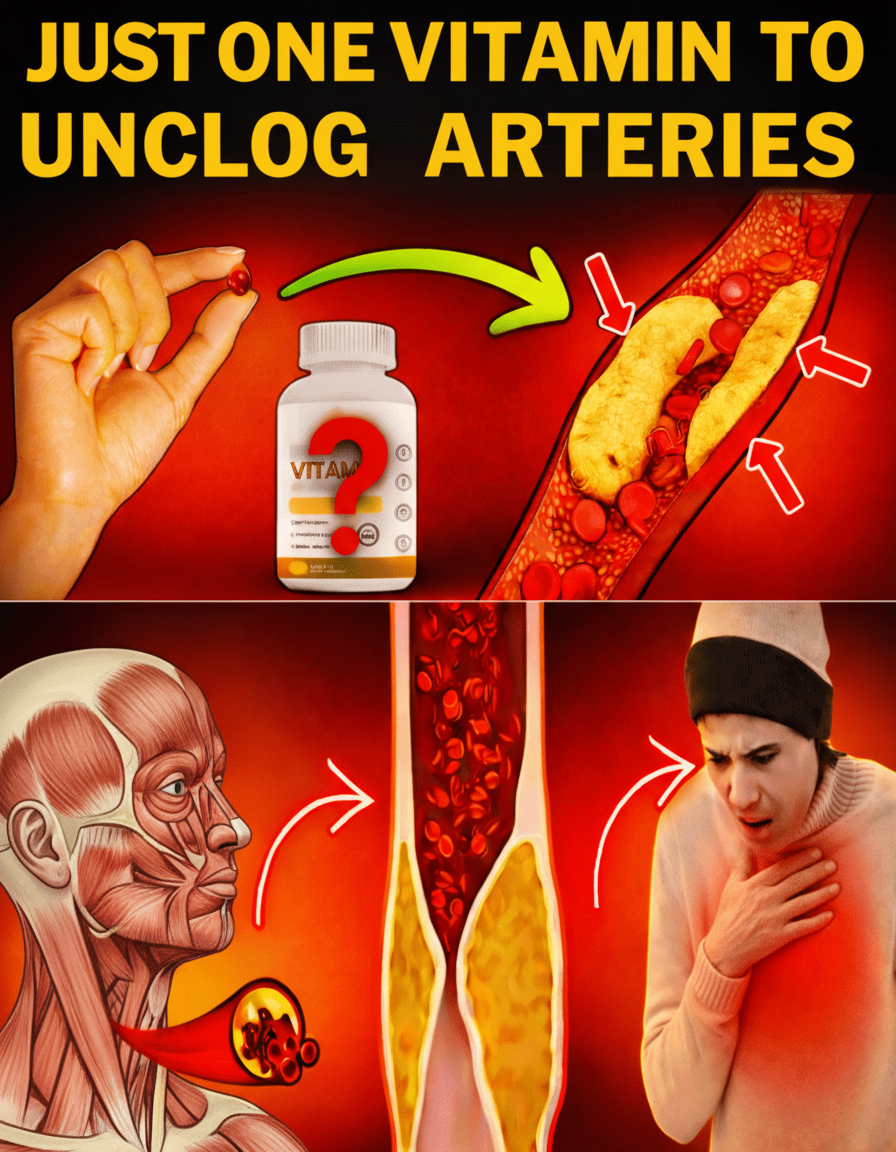
 7 Vital Nutrients to Optimize Blood Flow and Support Arterial Health
Do you sometimes experience unexplained fatigue, a feeling of heaviness in your legs, or find yourself a little breathless during everyday tasks? These common sensations might be subtle indicators of changes in your circulatory system, specifically how efficiently your blood flows and the health of your arteries. Maintaining robust blood circulation is fundamental for overall vitality, delivering oxygen and nutrients throughout your body. The good news is that your diet plays a significant role. Scientific research points to several key vitamins and essential nutrients that can naturally support vascular well-being and promote optimal blood flow. Let’s delve into seven such powerhouse compounds, highlighting their benefits and where you can find them in your daily meals.
🍊 7. Vitamin C – Essential for Arterial Elasticity and Antioxidant Defense
Often associated with immune support, Vitamin C is a potent antioxidant crucial for maintaining healthy blood vessels. It plays a vital role in collagen synthesis, a key component of strong, flexible artery walls. Studies highlight its contribution to endothelial function, which is the proper working of the inner lining of your blood vessels. Incorporating Vitamin C-rich foods, such as vibrant citrus fruits, berries, and bell peppers, can help protect your arteries from oxidative stress and support smooth blood circulation.
🥜 6. Vitamin E – Shielding Blood Lipids from Oxidative Damage
As a powerful fat-soluble antioxidant, Vitamin E is instrumental in safeguarding the delicate lipids within your blood from harmful oxidative stress. This protection is critical for maintaining the integrity of cell membranes, including those lining your blood vessels. Research indicates that sufficient Vitamin E intake is associated with enhanced vascular health and improved blood flow. You can easily boost your intake with wholesome sources like almonds, sunflower seeds, and spinach.
☀️ 5. Vitamin D – A Key Player in Blood Pressure Regulation
Often referred to as the “sunshine vitamin,” Vitamin D is frequently deficient in many adults, yet its role in cardiovascular health is profound. This essential nutrient contributes to the relaxation of blood vessels and plays a significant part in maintaining healthy blood pressure levels. Observational studies have linked lower Vitamin D levels to increased cardiovascular risks. Ensuring adequate Vitamin D, through safe sun exposure, fortified foods, or supplementation, is crucial for optimal circulatory function.
🥬 4. Vitamin K2 – Guiding Calcium Away from Arterial Walls
Distinct from Vitamin K1, Vitamin K2 is gaining recognition for its unique role in arterial health. This nutrient activates specific proteins that help direct calcium into bones and teeth, preventing its undesirable accumulation in soft tissues like artery walls. Emerging research suggests Vitamin K2 may be vital in preventing arterial calcification, thereby supporting arterial flexibility and efficient blood flow. Fermented foods, certain cheeses, and leafy green vegetables are excellent dietary sources.
🐟 3. Vitamin B3 (Niacin) – Supporting a Healthy Cholesterol Profile
Niacin, or Vitamin B3, is a B-vitamin known for its significant impact on lipid metabolism. While prescribed forms are used under medical supervision to raise beneficial HDL (high-density lipoprotein) cholesterol and lower triglycerides, dietary sources also contribute to overall cardiovascular wellness. Found in poultry, fish, and whole grains, adequate Niacin intake supports a healthy lipid profile, which is fundamental for maintaining clear arteries and unimpeded blood circulation.
🥦 2. Vitamin B9 (Folate) – Managing Homocysteine for Vascular Integrity
Folate, also known as Vitamin B9, is an indispensable B-vitamin crucial for numerous bodily functions, including red blood cell formation and DNA synthesis. Critically, folate plays a key role in the metabolism of homocysteine, an amino acid. Elevated homocysteine levels are strongly linked to increased risks for vascular issues. By helping to convert homocysteine into other beneficial compounds, folate directly contributes to maintaining the integrity of blood vessels and promoting healthy blood flow. Rich sources include legumes, dark leafy greens, and fortified cereals.
🐠 1. Omega-3 Fatty Acids – Potent Anti-Inflammatory Support for Vessels
While not strictly a vitamin, Omega-3 fatty acids (specifically EPA and DHA) are undeniably vital nutrients for cardiovascular health and warrant inclusion. These essential fats, abundantly found in fatty fish like salmon, mackerel, and sardines, are celebrated for their powerful anti-inflammatory properties. They play a significant role in reducing triglyceride levels and supporting optimal endothelial function, ensuring the smooth and flexible operation of blood vessel linings. Robust scientific evidence consistently highlights Omega-3s as critical for maintaining heart health and promoting excellent blood circulation.
Comparison of Key Nutrients for Blood Flow and Artery Health
| Nutrient | Main Potential Role | Common Food Sources |
|---|---|---|
| Vitamin C | Antioxidant, collagen support, endothelial function | Citrus fruits, berries, bell peppers |
| Vitamin E | Protects against oxidative stress, supports lipid integrity | Nuts (almonds), seeds (sunflower), spinach |
| Vitamin D | Blood pressure regulation, vessel relaxation | Sunlight exposure, fatty fish, fortified foods |
| Vitamin K2 | Directs calcium, prevents arterial calcification | Fermented foods, leafy greens (kale, spinach) |
| Vitamin B3 (Niacin) | Supports healthy cholesterol profile (HDL) | Fish, poultry, whole grains |
| Vitamin B9 (Folate) | Manages homocysteine levels, supports vascular integrity | Leafy greens, legumes (beans, lentils) |
| Omega-3 Fatty Acids | Reduces inflammation, lowers triglycerides, supports endothelial function | Fatty fish (salmon), walnuts, flaxseeds |
Practical Ways to Enhance Your Diet for Optimal Blood Flow
Incorporating these vital nutrients into your daily routine doesn’t have to be complicated. Here are some simple, actionable steps to naturally boost your intake and support healthy circulation:
- Kickstart Meals with Color: Begin your main meals with a vibrant salad packed with leafy greens, a variety of colorful vegetables, and a squeeze of citrus for a Vitamin C boost.
- Smart Snacking: Opt for a nutritious midday snack like a handful of almonds, walnuts, or sunflower seeds to provide beneficial Vitamin E and Omega-3s.
- Embrace Fatty Fish: Aim to include fatty fish such as salmon, mackerel, or sardines in your diet at least twice a week for a rich source of Omega-3 fatty acids.
- Safe Sun Exposure: Spend a reasonable amount of time outdoors safely in the sun to encourage natural Vitamin D synthesis.
- Legumes for Longevity: Integrate beans and lentils into your soups, stews, and side dishes to enhance your folate (Vitamin B9) intake.
- Professional Consultation: Always discuss your dietary changes, blood nutrient levels, and any potential supplementation with your healthcare provider to ensure a personalized and safe approach.
Safe Habits for Sustaining Your Circulatory Health Journey
To ensure long-term benefits and safety when integrating these blood flow-supporting nutrients, consider these habits:
- Prioritize Whole Foods: Always focus on obtaining nutrients from whole food sources first. They offer superior absorption and a synergy of beneficial compounds that supplements often lack.
- Vary Your Diet: Aim for a diverse range of fruits, vegetables, nuts, seeds, and lean proteins throughout the week to ensure a balanced intake of all essential vitamins and minerals.
- Listen to Your Body: Pay attention to how your body responds to dietary changes. Notice improvements in energy levels, reduced leg heaviness, or overall comfort as indicators of positive progress.
- Consult Your Doctor Before Supplementing: While dietary intake is generally safe, always speak with a healthcare professional before starting any new vitamin or nutrient supplements. They can assess your individual needs, check for potential interactions with medications, and recommend appropriate dosages to avoid excess.
- Consistency is Key: Small, consistent daily additions to your diet are more effective and sustainable than drastic, short-lived changes. Make healthy circulation a lifelong commitment.