 By admin
 Discovering a recall on a medication you rely on to manage your blood pressure can understandably trigger immediate concern, especially when the issue involves a potential health risk like chemical impurity. This apprehension often intensifies when headlines link such impurities to cancer, prompting you to question the safety of your daily capsule and whether immediate changes are necessary. Many individuals prescribed prazosin for stable blood flow and peace of mind are currently experiencing this unease.
The reassuring news is that official guidance from health authorities emphasizes calm, informed action over panic. Drawing insights from FDA announcements and comprehensive health reports, this article aims to clearly break down the recent prazosin hydrochloride recall. Our goal is to empower you to make well-informed decisions in consultation with your healthcare provider.
Understanding the Prazosin Recall 🛑
Prazosin hydrochloride is a widely prescribed medication known for its ability to relax blood vessels, thereby helping to maintain healthy blood pressure levels and mitigate risks associated with conditions like strokes or heart issues. Beyond cardiovascular health, it’s also prescribed for other concerns, including sleep disturbances often linked to PTSD.
Recently, a voluntary nationwide recall was initiated for specific lots of prazosin capsules. This action followed the detection of a nitrosamine impurity, specifically N-nitroso Prazosin impurity C, present at levels exceeding established acceptable limits. Nitrosamines are ubiquitous environmental compounds, found in various everyday items. However, prolonged exposure to elevated amounts through medications may raise health concerns, including a potential increased risk of cancer, according to current regulatory standards.
This recall underscores the ongoing commitment to maintaining stringent drug safety standards. It has been classified as Class II by the FDA, which generally indicates that any potential adverse effects are likely temporary or reversible, with a low probability of serious long-term harm.
Key Details of the Affected Medication
The recall specifically impacts prazosin hydrochloride capsules in the following strengths:
- 1 mg
- 2 mg
- 5 mg
These affected medications were distributed by Teva Pharmaceuticals and other manufacturers, encompassing multiple lots available in various bottle sizes, typically ranging from 100 to 1,000 capsules each. It’s crucial to note that not all prazosin is affected; only particular batches that underwent testing revealed the impurity concern. Consequently, many patients continue their prescriptions without issue from unaffected supplies, as the focus remains on robust quality control throughout the manufacturing process.
What Nitrosamine Impurities Mean for Health 🔬
Nitrosamines can form during the drug manufacturing process or under specific storage conditions. While they are found in trace amounts in common foods, water, and even air, regulatory agencies such as the FDA establish stringent limits for their presence in medications. These limits are designed to minimize the risks associated with long-term exposure. Research suggests that high levels of nitrosamines over extended periods could potentially contribute to various health issues, thereby necessitating vigilant testing and monitoring.
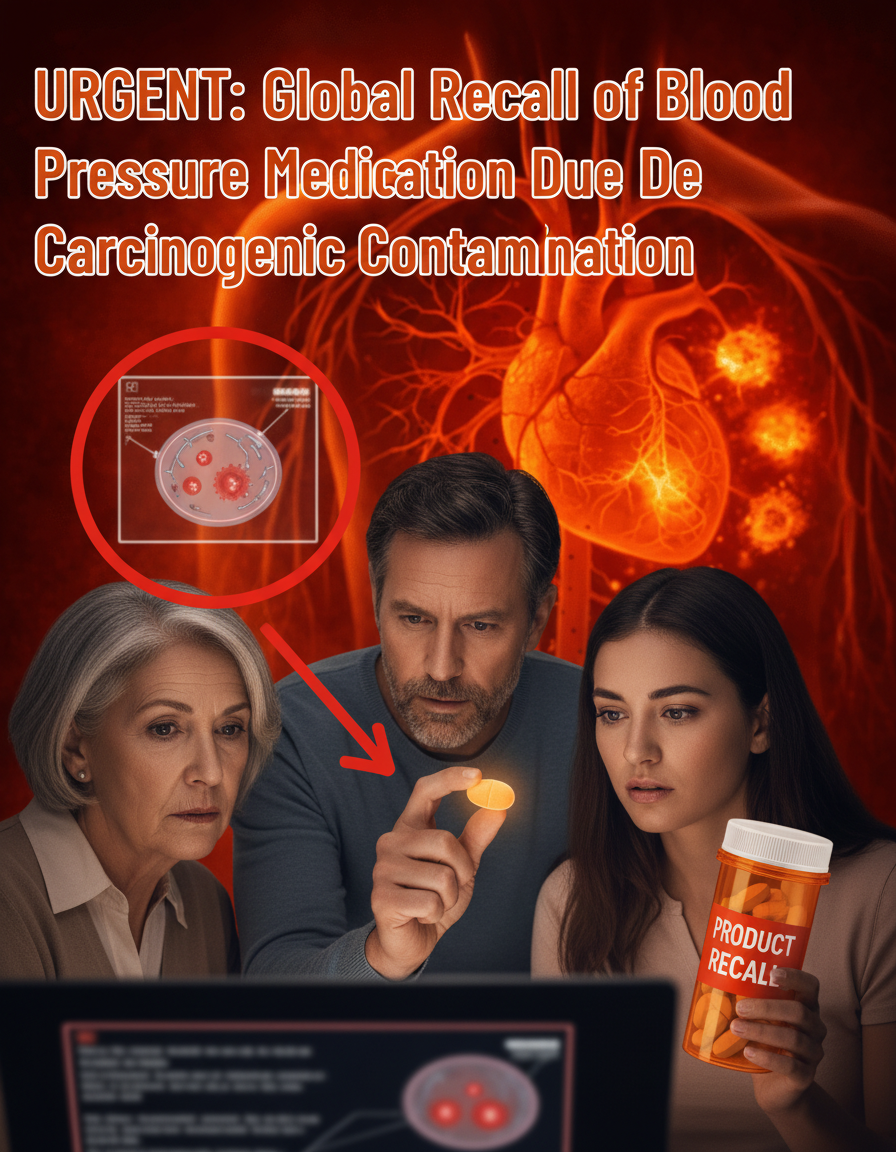
This isn’t an isolated incident; similar recalls have occurred with other medications in recent years. These actions reflect continuous improvements in detection methods and regulatory scrutiny rather than indicating widespread new dangers. The good news, as per the FDA’s classification, is that short-term use of the affected lots carries a remote risk of serious harm.
Steps to Take If You’re Taking Prazosin 💊
Feeling uncertain about your medication is a completely natural reaction. Here’s practical guidance to help you navigate this situation smoothly and confidently:
- Check your medication bottle: Carefully examine the label for the manufacturer’s name (e.g., Teva) and specific lot details. The FDA’s website or your pharmacy can provide resources to help identify if your batch is among those affected.
- Do not stop medication suddenly: Abruptly discontinuing blood pressure medication can lead to adverse rebound effects, such as a dangerous spike in blood pressure. Always continue taking your medication as prescribed until you receive explicit advice from your healthcare provider.
- Consult your healthcare provider or pharmacist: These professionals are your primary resource. They can verify if your specific supply is impacted, discuss suitable alternatives if necessary, and monitor your health to ensure your well-being.
- Return affected products: Follow the instructions provided by your pharmacy or the manufacturer for the safe and proper return of any recalled medication.
- Stay informed: Regularly check reliable sources, such as the official FDA website, for the latest updates on drug recalls and safety alerts.
By following these proactive steps, you can manage the situation effectively without unnecessary stress or anxiety.
Comparing This Recall to Broader Trends 📊
Concerns surrounding nitrosamine impurities have, over time, led to recalls involving various pharmaceutical products. Here’s a brief overview of how this prazosin recall fits into a wider context:
| Medication Type | Common Impurities Noted | Recall Frequency | Patient Advice |
|---|---|---|---|
| Blood Pressure Meds | Nitrosamines (various) | Occasional | Consult provider; don’t stop abruptly |
| Other Categories | Similar compounds | Past years | Check lots; seek alternatives if needed |
This table illustrates that prazosin joins a monitored group of medications, with an unwavering emphasis on patient safety achieved through transparency and regulatory action. However, prevention and proactive habits also play a crucial role in safeguarding your health.
Tips for Medication Safety Moving Forward
Beyond this specific recall, adopting simple habits can significantly enhance your confidence in your medication regimen:
- Always verify your prescription: When picking up medication, double-check that it’s the correct drug, dosage, and for the right patient.
- Use reputable pharmacies: Stick to licensed pharmacies that adhere to strict safety and quality standards.
- Adhere to storage instructions: Proper storage helps maintain the integrity and efficacy of your medication.
- Discuss all medications with your doctor: Inform your healthcare provider about all prescription drugs, over-the-counter medicines, and supplements you are taking to avoid potential interactions.
- Stay vigilant for alerts: Periodically check official health authority websites (like the FDA) for any new drug safety alerts or recalls.
By remaining informed and proactive, you can ensure your medication use is as safe and effective as possible.