 By admin
 Imagine experiencing persistent bad breath or a nagging feeling of discomfort in your throat, even after meticulous oral hygiene. Then, one day, you might cough up a tiny, strangely odorous lump, sparking confusion and perhaps a little alarm. These mysterious occurrences often point to tonsil stones, also known as tonsilloliths – small, calcified deposits that can form in the crevices of your tonsils. While their presence can be unsettling, the good news is that tonsil stones are generally benign and highly manageable. This comprehensive guide will demystify tonsil stones, covering everything from what they are and why they form, to their common symptoms, effective home remedies, and crucial preventive strategies.
🩺 What Exactly Are Tonsil Stones?
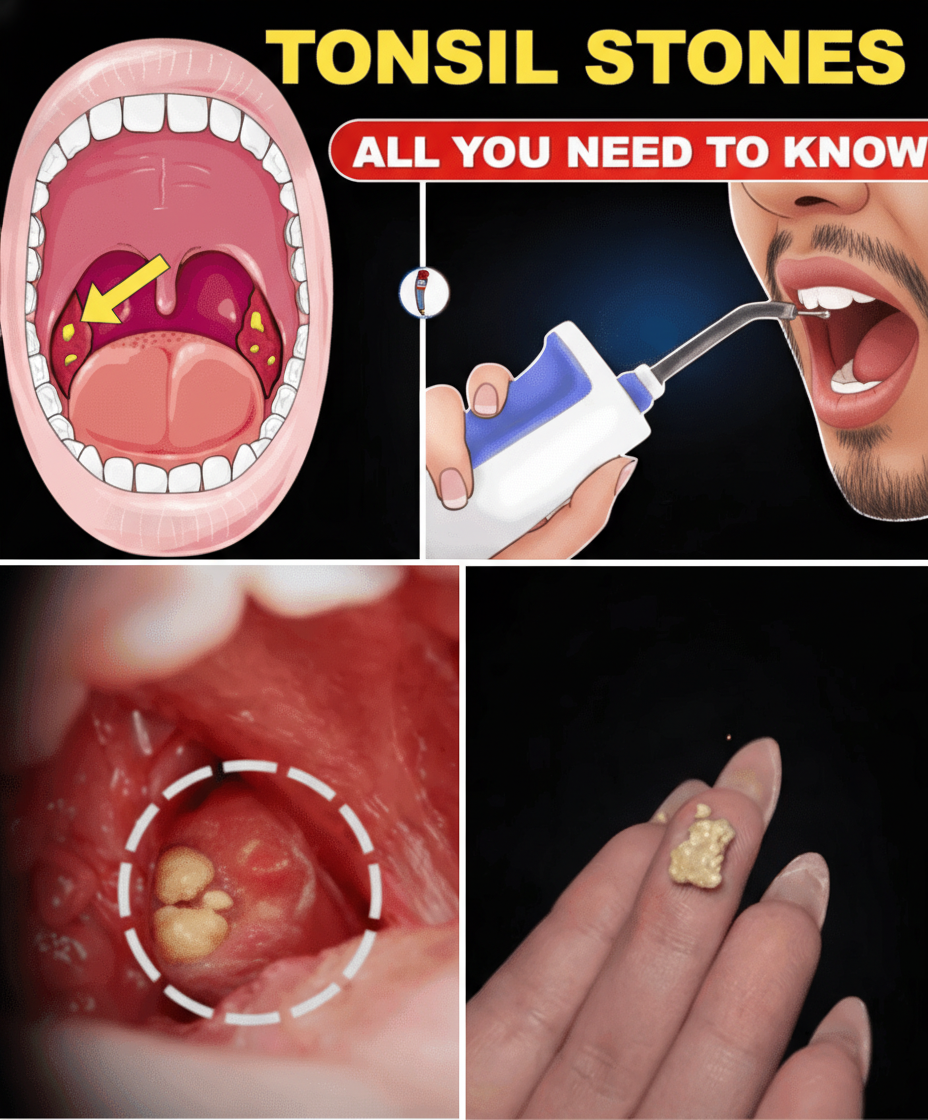
Tonsil stones, medically termed tonsilloliths, are small, hardened formations that develop within the nooks and crannies of your tonsils. These structures, known as tonsillar crypts, can trap various particles including food debris, bacteria, dead cells, and mucus. Over time, these trapped materials can calcify, solidifying into white or yellowish lumps. Their size can vary significantly, from minuscule grains barely visible to the naked eye, to larger, pebble-like formations. Often, tonsilloliths remain hidden deep within the tonsil crypts, making them easy to overlook. Despite their somewhat alarming appearance, they are quite common, particularly among adults with more pronounced tonsil crevices.
⚠️ Common Symptoms of Tonsil Stones to Notice
While many individuals with tonsil stones remain asymptomatic, their presence can manifest through a range of noticeable symptoms that affect comfort and social confidence. One of the most common and persistent indicators is halitosis, or chronic bad breath. This unpleasant odor results from bacteria thriving on the tonsil stones, releasing foul-smelling sulfur compounds.
Beyond bad breath, other symptoms may include:
- Sore Throat or Throat Irritation: A scratchy sensation, discomfort, or even pain when swallowing can occur, especially if the tonsil stones are larger and pressing against surrounding tissues.
- Feeling of Something Stuck: Many report a sensation of a foreign object lodged in the back of the throat, which can be particularly bothersome.
- Visible White or Yellow Spots: Upon inspection in a mirror, you might spot small, discolored flecks on your tonsils, which are the calcified tonsil stones themselves.
- Ear Pain: Referred pain to the ear, often without an apparent ear infection, can occur due to shared nerve pathways between the tonsils and ears.
- Persistent Cough or Tonsil Swelling: The irritation caused by tonsil stones can sometimes trigger a chronic cough or lead to mild inflammation and swelling of the tonsils.
It’s important to note that these symptoms can often be mistaken for other conditions, such as strep throat, allergies, or even common colds, making accurate identification of tonsil stones crucial.
| Symptom | What It Might Feel Like | Why It Happens with Tonsil Stones | Often Mistaken For |
|---|---|---|---|
| Persistent Bad Breath (Halitosis) | A noticeably foul odor that doesn’t improve with brushing or mouthwash. | Bacteria on the stones decompose, releasing volatile sulfur compounds. | Dietary factors, poor dental hygiene, gum disease. |
| Throat Discomfort or Soreness | A scratchy feeling, irritation, or pain, particularly when swallowing. | Larger stones can press against and irritate the delicate throat tissue. | Common cold, strep throat, allergies, acid reflux. |
| Sensation of a Foreign Object | A feeling like something is lodged in the back of your throat. | The physical presence of the tonsil stone itself. | Globus sensation, post-nasal drip. |
| Visible White/Yellow Debris | Small, discolored specks or lumps visible on the tonsils. | The calcified accumulation of food, bacteria, and dead cells. | Food particles, pus from infection, oral thrush. |
| Ear Pain | An ache or discomfort in the ear without a clear ear infection. | Nerves connecting the tonsils and ears can refer pain. | Ear infection, earwax buildup, TMJ disorder. |
| Chronic Cough or Tonsil Swelling | A recurring cough or noticeable inflammation of the tonsils. | Ongoing irritation can trigger a cough reflex or local inflammation. | Allergies, asthma, bronchitis, viral infections. |
❤️ Why Do Tonsil Stones Form?
The formation of tonsil stones is often linked to a combination of factors, ranging from individual anatomy to daily habits. Understanding these underlying causes is key to both management and prevention.
- Oral Hygiene Practices: Inadequate oral hygiene is a primary contributor. When brushing and flossing are not thorough, food particles, bacteria, and dead cells can linger in the mouth and easily become trapped within the tonsil crypts.
- Tonsil Anatomy: Individuals with larger tonsils or those possessing naturally deeper, more numerous tonsillar crypts are inherently more prone to developing tonsil stones. These deep pockets act as ideal traps for debris.
- Chronic Sinus Issues & Post-Nasal Drip: Conditions that lead to excessive mucus production, such as chronic sinusitis or allergies causing post-nasal drip, can significantly contribute. The constant flow of mucus down the throat provides additional material that can accumulate and calcify in the tonsils.
- History of Tonsillitis: People who have experienced recurring bouts of tonsillitis may have tonsils with more pronounced crypts, making them more susceptible to stone formation.
- Dietary Habits: Certain foods, particularly those that are sticky or easily fragmented, can leave behind residues that become trapped in the tonsils if not properly cleared.
Recognizing these contributing factors empowers you to take proactive steps to reduce the likelihood of tonsil stone recurrence.
🏠 Safe Ways to Remove Tonsil Stones at Home
Fortunately, many tonsil stones are small enough to dislodge naturally during everyday actions like coughing, eating, or swallowing. However, for those that cause discomfort or are visibly present, several safe and gentle home remedies can provide effective relief.
- Warm Salt Water Gargle: This is often the first line of defense. Vigorously gargling with warm salt water can help to loosen the tonsil stones and flush them out of the crypts. The salt also offers mild antiseptic properties.
- Low-Pressure Water Flosser: A water flosser (oral irrigator) set to its lowest pressure can be carefully directed at visible tonsil stones. The gentle stream of water can effectively dislodge them from their hiding spots without causing irritation. Extreme caution is advised to avoid injury.
- Gentle Coughing: A strong, deliberate cough can sometimes be enough to free a loose tonsil stone.
- Soft Cotton Swab: For easily accessible and visible stones, a soft, damp cotton swab can be used very gently to apply pressure and encourage the stone to come out. It is crucial to be extremely delicate to prevent trauma, bleeding, or pushing the stone further in.
Always prioritize gentleness and hygiene when attempting removal. If a stone is stubborn or causes pain, do not force it. These methods are generally effective for quick relief, but consistent preventive habits are key to long-term comfort.
📋 Everyday Habits to Help Prevent Tonsil Stones
Preventing the recurrence of tonsil stones largely relies on establishing and maintaining consistent daily habits that promote excellent oral hygiene and overall throat health.
| Habit | How It Helps Prevent Tonsil Stones | Practical Tip | How Often |
|---|---|---|---|
| Thorough Oral Hygiene | Removes food particles, bacteria, and dead cells before they can accumulate and calcify in tonsil crypts. | Brush your teeth and tongue thoroughly, and floss daily. Consider using an antibacterial mouthwash. | At least twice daily, ideally after every meal. |
| Regular Salt Water Gargles | Helps to flush out debris from tonsil crypts and maintain a cleaner oral environment, discouraging bacterial growth. | Gargle with warm salt water or a non-alcoholic mouthwash. | Daily, or whenever you feel a potential buildup. |
| Stay Well Hydrated | Drinking plenty of water helps to keep mucus thin and flowing, preventing it from becoming thick and sticky, which can contribute to stone formation. | Aim for at least 8 glasses of water throughout the day. | Continuously throughout the day. |
| Manage Post-Nasal Drip & Allergies | Reducing excess mucus production minimizes the material available for tonsil stone formation. | Treat underlying sinus issues or allergies effectively with medication or nasal rinses. | As needed, based on symptoms. |
| Consider Dietary Adjustments | While not a direct cause, some find that limiting dairy or highly processed foods reduces mucus production or debris. | Observe if certain foods seem to exacerbate your condition and adjust accordingly. | As an ongoing adjustment based on personal experience. |
| Avoid Smoking & Excessive Alcohol | These substances can irritate the throat lining and potentially contribute to chronic inflammation and mucus production. | Reduce or eliminate smoking and alcohol consumption. | Ongoing. |
| Regular Dental Check-ups | Professional cleanings and examinations can help identify and address oral health issues early, preventing secondary complications. | Schedule routine visits with your dentist. | Every 6-12 months, or as recommended. |
By integrating these simple yet effective habits into your daily routine, you can significantly reduce the incidence of tonsil stones and enjoy lasting oral comfort.