 By admin
 10 Critical Early Warning Signs of Pancreatic Cancer You Need to Know
Minor shifts in your body, such as persistent exhaustion, digestive discomfort, or a subtle yellowing of the skin, can often be easily dismissed as typical reactions to stress or the natural process of aging. However, when these symptoms linger without a clear cause, they can sometimes signal a more serious underlying issue, like pancreatic cancer. This aggressive disease is frequently diagnosed at an advanced stage because its initial indicators often mimic common ailments, making early detection a significant challenge. Understanding these crucial early warning signs can prompt timely medical consultation, which can dramatically improve treatment outcomes.
Continue reading to discover the 10 most frequently reported early warning signs of pancreatic cancer, compiled from reputable medical sources, including a specific combination that medical experts emphasize should never be overlooked.
🩺 Why Pancreatic Cancer Is So Difficult to Detect Early
The pancreas, an organ nestled deep within your abdomen behind the stomach, plays vital roles in digestion and blood sugar regulation. Its hidden location means that early-stage tumors often grow unnoticed, producing few or no obvious symptoms. This unfortunate reality is why many pancreatic cancer cases are diagnosed only after the disease has spread to other parts of the body.
According to the American Cancer Society’s 2026 projections, approximately 67,530 individuals in the U.S. will be diagnosed with pancreatic cancer this year, with an estimated 52,740 succumbing to the disease. While the overall five-year survival rate remains a challenging 13%, this figure dramatically increases to 44% when the cancer is detected early and confined to the pancreas. These statistics underscore the profound importance of recognizing potential warning signs of pancreatic cancer. Although many symptoms can overlap with less severe conditions, their persistence or occurrence in a cluster warrants immediate medical attention.
⚠️ The 10 Most Common Early Warning Signs of Pancreatic Cancer
Leading medical organizations such as the American Cancer Society and Mayo Clinic identify the following as key indicators. It’s important to remember that no single sign confirms pancreatic cancer, but the presence of several symptoms together should always prompt a discussion with your doctor.
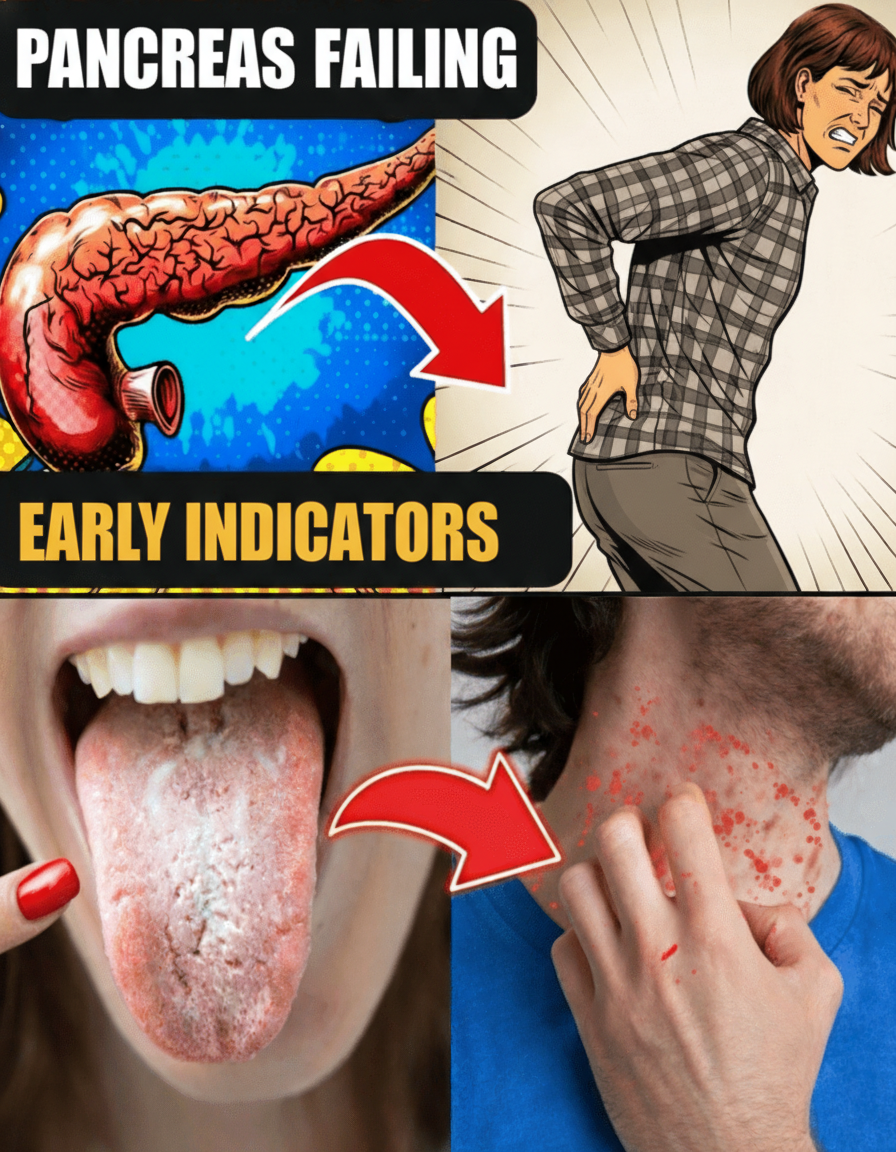
- Jaundice (Yellowing of Skin or Eyes)
A faint yellow tint to the skin or the whites of the eyes, sometimes accompanied by itchy skin, is often one of the earliest signs. This occurs when a tumor obstructs the bile ducts, preventing bile from flowing properly. Many initially mistake this for liver problems or allergies. - Persistent Abdominal or Back Pain
A dull, nagging ache in the upper abdomen that radiates to the back is a frequently reported symptom in pancreatic cancer patients. This discomfort often intensifies after eating or when lying down, as tumors can press on nearby nerves or organs. - Unexplained Weight Loss
Losing a significant amount of weight without any changes to diet or exercise, even while eating normally, can be a red flag. This can be attributed to poor nutrient absorption or shifts in appetite linked to pancreatic cancer. - Loss of Appetite or Feeling Full Quickly
Food may suddenly become unappealing, or you might experience a feeling of bloating and fullness after consuming only small amounts of food. This digestive disruption is often a direct result of the tumor’s impact. - New-Onset Diabetes
A sudden diagnosis of type 2 diabetes, particularly in older adults who lack typical risk factors, and sometimes accompanied by weight loss, can be concerning. Pancreatic tumors can impair the organ’s ability to produce insulin, as highlighted by experts at the Mayo Clinic. - Persistent Fatigue
Ongoing, overwhelming tiredness that isn’t relieved by rest and significantly impacts daily activities can be a symptom. This draining sensation can stem from the body’s battle against cancer or issues with nutrient absorption. - Itchy Skin Without Rash
Experiencing intense, widespread itching, often worse at night and unresponsive to common lotions, can indicate an issue. This is typically caused by the accumulation of bile salts under the skin. - Dark Urine or Pale Stools
Urine that appears unusually dark, or stools that become light-colored, greasy, or float in the toilet, are signs of altered waste processing due to blocked bile ducts. - Nausea or Indigestion
Chronic nausea, recurring vomiting, or persistent indigestion that doesn’t improve with standard remedies can be a symptom. Inflammation or blockages caused by a tumor can disrupt normal digestion. - Changes in Stool Habits
Ongoing issues like diarrhea, constipation, or stools that appear oily and are difficult to flush can signal pancreatic problems. A shortage of pancreatic enzymes leads to inefficient fat digestion.
📊 Common Warning Signs at a Glance
| Sign | Potential Cause | Common Misinterpretation |
|---|---|---|
| Jaundice & Itchy Skin | Obstructed bile ducts | Allergies or liver ailments |
| Abdominal/Back Pain | Tumor pressure on nerves/organs | Heartburn or muscle strain |
| Unexplained Weight Loss | Poor nutrient absorption | Stress or dietary changes |
| New Diabetes & Fatigue | Insulin production disruption | Aging or lifestyle factors |
🩹 When to Seek Medical Advice for Possible Pancreatic Cancer Signs
While many of these symptoms can indeed have benign causes, it’s crucial not to delay seeking professional medical advice if:
- Several signs emerge concurrently.
- Symptoms persist for more than two weeks without improvement.
- You possess known risk factors, such as a history of smoking, a family history of pancreatic cancer, or chronic pancreatitis.
- Any changes feel sudden, severe, or are progressively worsening.
Consider keeping a detailed journal to track your symptoms, noting specific foods consumed, activities performed, and the timing of any discomfort. Share this comprehensive information with your doctor. They may recommend blood tests, imaging scans, or further diagnostic evaluations. Initiating this conversation early can often provide peace of mind or ensure timely intervention and support if a serious condition is identified.
Final Thoughts: Your Health Is Your Priority
Being vigilant about your body’s signals and advocating for your health are paramount. Pancreatic cancer, though challenging, offers better prognoses with early detection. By recognizing these subtle yet critical warning signs and seeking prompt medical attention, you empower yourself to take control of your health journey. Don’t hesitate to discuss any persistent or concerning symptoms with your healthcare provider; your proactive approach could make all the difference.