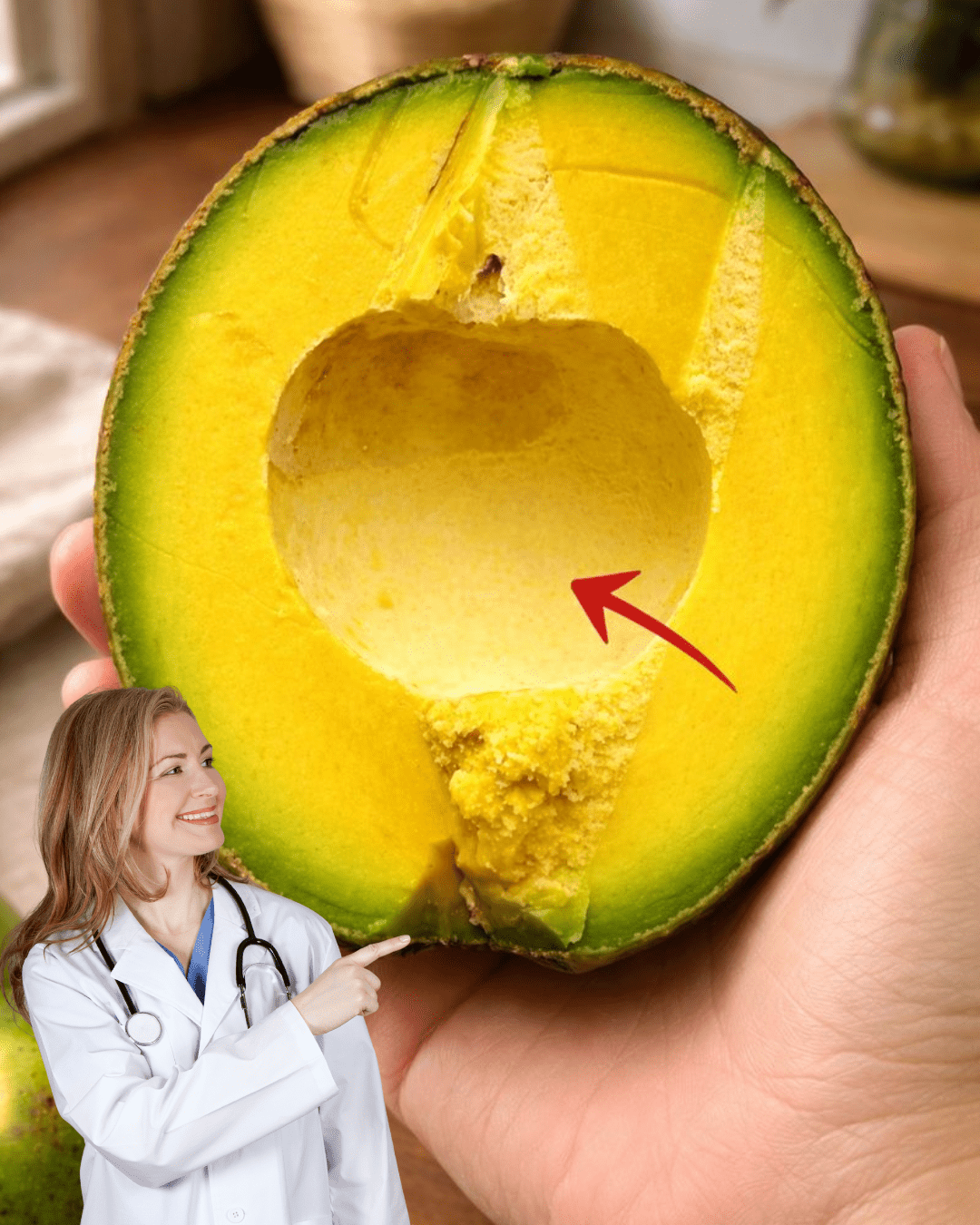
Avocados are often hailed as a superfood—creamy, versatile, and loaded with heart-healthy fats, fiber, and nutrients that promote glowing skin and steady energy. But even this popular fruit isn’t without potential downsides. Nutrition experts and doctors note that for some people, regular avocado consumption can lead to unexpected reactions or discomforts that might go unnoticed at first.
If you’ve added avocados to your daily routine thinking they’re always a healthy choice, you may be surprised by how they affect certain bodies. The good news? Most people enjoy them without issues, and understanding these lesser-known effects helps you savor them safely. Keep reading to discover the key side effects doctors highlight—and a simple way to enjoy avocados without the worry.
1. Potential Allergic Reactions in Sensitive People
One of the most surprising effects involves allergies. Some individuals experience reactions due to latex-fruit syndrome, where proteins in avocados resemble those in natural latex.
This cross-reactivity can trigger symptoms like:
Itchy mouth, lips, or throat
Swelling around the face or mouth
Skin rashes or hives
Mild stomach upset
Research shows this is more common in people allergic to latex or cross-reactive foods such as bananas, kiwi, or chestnuts. Studies from allergy organizations indicate that 30-50% of those with latex sensitivity may react to avocado.
But that’s not all… If these sound familiar after eating avocado, it’s worth paying attention.
2. Digestive Discomfort from High Fiber and Fat Content
Avocados pack plenty of fiber—about 10 grams per whole fruit—along with monounsaturated fats. While these support gut health for many, too much at once can overwhelm sensitive systems.
Common complaints include:
Bloating and gas
Abdominal cramping
Loose stools or diarrhea
People with conditions like irritable bowel syndrome (IBS) often report flare-ups even from moderate portions. One study on avocado intake noted shifts in gut bacteria and metabolites, but overdoing it can tip the balance toward discomfort.
The truth is, moderation makes a big difference here.
3. Calorie Density and Risk of Unintended Weight Gain
Yes, the fats in avocados are mostly the “good” kind that support heart health. But they’re also calorie-dense—a medium avocado delivers 250-300 calories, mostly from fat.
Without portion awareness, especially in calorie-surplus diets, this adds up quickly. Nutrition data confirms that while avocados don’t inherently cause weight gain (some research shows stable weight with daily intake), excess without balance can contribute over time.
Healthy doesn’t mean unlimited—portion control keeps the benefits without the extra pounds.
4. High Potassium Levels and Concerns for Specific Diets
Avocados shine as a potassium powerhouse, offering around 690 mg per fruit—more than many bananas. This supports blood pressure and muscle function for most.
However, for those on potassium-restricted diets—such as people with chronic kidney disease—high intake can pose risks. Kidney experts note that impaired kidneys struggle to filter excess potassium, potentially leading to elevated blood levels.
If you have kidney concerns, consulting your healthcare provider is essential before regular consumption.
5. Histamine Content and Reactions in Intolerant Individuals
Some people have histamine intolerance, where the body doesn’t break down histamine efficiently. Avocados contain moderate levels of histamine or related compounds (like other amines), which can trigger issues in sensitive folks.
Possible symptoms include:
Headaches or migraines
Skin flushing or hives
Digestive upset like nausea
This isn’t a true allergy but stems from impaired histamine processing. Sources like nutrition reviews list avocados among foods that may exacerbate symptoms in those with intolerance.
Here’s the interesting part: Freshness plays a role too.
6. Issues with Overripe or Spoiled Avocados
When avocados overripen—becoming very soft, brown inside, or developing mold—they can form irritating compounds or harbor bacteria.
Signs to watch for:
Strong sour or off smell
Fuzzy white/gray mold (discard entirely)
Gray streaks or excessive browning from oxidation
While mild browning from oxidation is safe (just unappealing), mold or rancidity can cause stomach irritation. Food safety guidelines recommend tossing any questionable avocado to avoid risks.
Actionable Tips: How to Enjoy Avocados Safely
Want to keep avocados in your diet without the downsides? Try these practical steps:
Start small—begin with 1/4 to 1/2 avocado per serving to test tolerance.
Pair wisely—combine with low-fiber foods if digestion is sensitive, or add to balanced meals for calorie control.
Choose fresh—pick firm, unblemished avocados and store properly (refrigerate cut ones with the pit in).
Monitor your body—track symptoms in a food journal for a week.
Consult pros—if you have allergies, kidney issues, or suspected intolerance, talk to a doctor or dietitian.
These tweaks let most people enjoy avocados’ perks—like better satiety and nutrient boosts—without trouble.
Final Thoughts
Avocados remain a nutrient-dense powerhouse for the majority, supporting heart health, skin vitality, and overall wellness. But as with any food, individual responses vary. From allergies and digestive tweaks to calorie awareness and specific dietary needs, being informed empowers smarter choices.
Moderation, freshness, and listening to your body are the smartest ways to keep enjoying this creamy favorite.
FAQ
Are avocados safe for everyone to eat daily? For most people, yes—daily avocado can fit a balanced diet without issues. However, those with latex allergies, histamine intolerance, IBS, or kidney restrictions should limit or avoid them.
Can avocados really cause weight gain? They’re calorie-dense, so overeating without adjusting other intake might contribute. But studies show no automatic weight gain when portions are reasonable and part of a healthy pattern.
What should I do if I suspect an avocado reaction? Stop eating them temporarily, note symptoms, and consult a healthcare provider. They can help rule out allergies or intolerances and suggest alternatives.
Disclaimer: This article is for informational purposes only and not a substitute for professional medical advice. Always consult your doctor or a qualified healthcare provider before making changes to your diet, especially if you have health conditions. Individual responses to foods vary, and this is not intended to diagnose or treat any condition.
 By admin