 By admin
 The Hidden Truths in Your Laundry Detergent: Opting for Non-Toxic Brands for a Healthier Home
Each day, we rely on laundry detergent to make our clothes feel fresh and clean. Yet, beneath the promise of cleanliness and appealing scents, many conventional laundry detergents harbor a cocktail of synthetic chemicals. These substances don’t always fully rinse away, leaving residues that can cling to fabrics long after the wash cycle. This means daily exposure: they can come into direct contact with your skin, release into the air when clothes dry indoors, and eventually wash down drains, impacting our precious water systems. That familiar ‘fresh’ scent, often perceived as a sign of cleanliness, frequently masks a blend of artificial ingredients that raise legitimate concerns for both human health and the environment. The encouraging news is that effective, safer alternatives are readily available. These eco-friendly options clean your garments thoroughly without the potential drawbacks of their chemical-laden counterparts. Below, we’ll delve into these issues in detail and highlight brands committed to transparency and stringent third-party certifications.
Unmasking the Concerns with Conventional Laundry Products
Modern laundry formulations are engineered to achieve impressive results: conquering stubborn stains, enhancing fabric brightness, and imparting a long-lasting fragrance. To deliver on these promises, many rely heavily on synthetic surfactants, artificial fragrances, and a host of other additives. The problem arises when these compounds don’t completely wash out, leaving behind residues on your clothing, towels, and bedding. This persistent presence leads to repeated daily exposure through skin absorption or inhalation, creating a cumulative effect over time.
Numerous studies and reports have drawn attention to how some of these ingredients may contribute to various forms of irritation or other health issues. For instance, certain aggressive surfactants can strip the skin of its natural protective oils, potentially leading to dryness, sensitivity, or allergic reactions. Furthermore, ‘fragrance’ blends, often vaguely listed as a single ingredient, can conceal dozens of undisclosed chemical compounds. Many of these are Volatile Organic Compounds (VOCs), which can significantly degrade indoor air quality and trigger respiratory sensitivities. Beyond personal health, the environmental impact is considerable; some of these chemicals are highly persistent, failing to break down easily and thereby contaminating waterways and ecosystems. However, one particular byproduct stands out as a significant concern:
1,4-Dioxane: The Unseen Contaminant
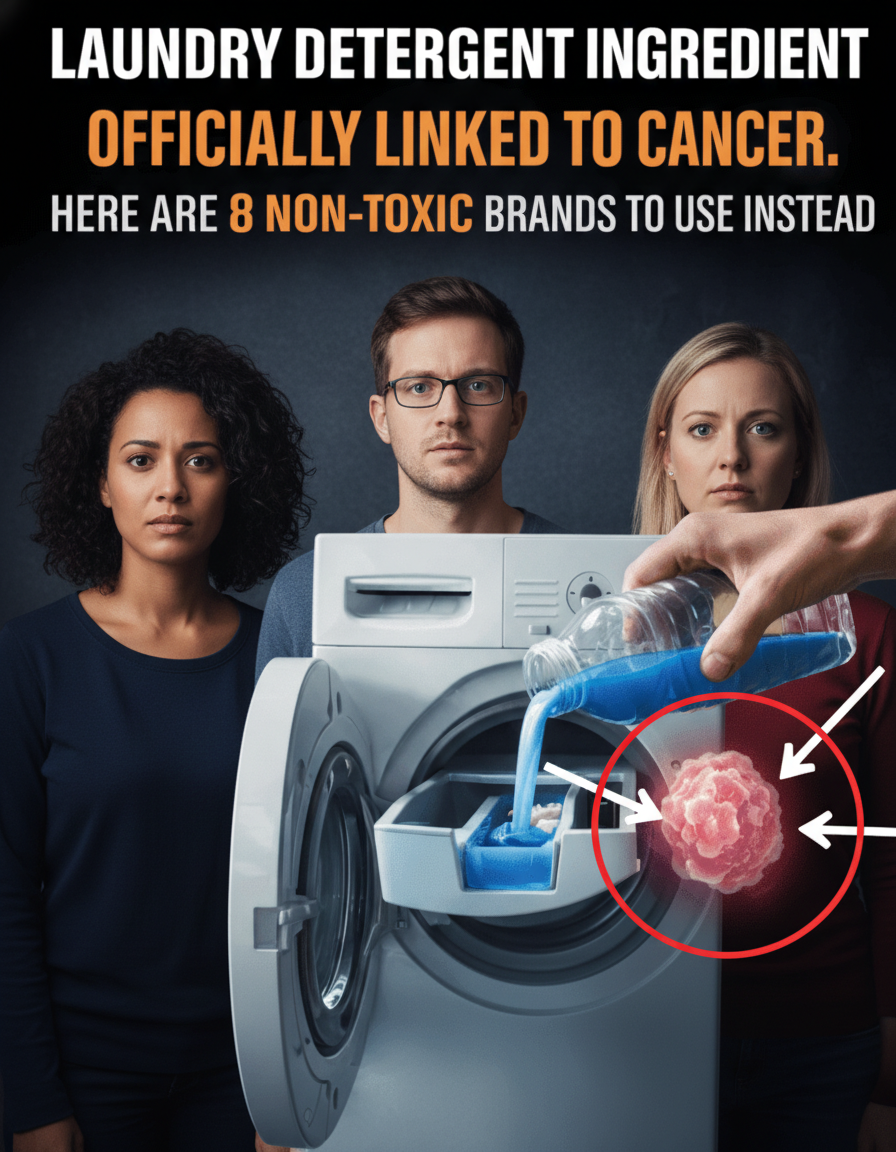
One of the most troubling substances found in conventional detergents is 1,4-Dioxane, an unintentional byproduct that rarely appears on ingredient labels. This compound forms during a manufacturing process known as ethoxylation, which is used to make harsh cleaning agents milder and less irritating. Because it’s a processing contaminant rather than an intentionally added ingredient, manufacturers are not required to list it. The U.S. Environmental Protection Agency (EPA) classifies 1,4-Dioxane as “likely carcinogenic to humans,” citing animal studies that demonstrate its adverse effects on the liver and other vital organs. Its persistence in the environment is another major concern, as it has been detected in drinking water sources across various regions.
Recent EPA risk evaluations (updated through 2024) acknowledge that while trace levels in consumer products might not be the primary driver of overall risk, the broader exposure concerns are significantly influenced by upstream manufacturing processes and wastewater contributions. Consumers can look out for specific ingredients that may indicate the potential presence of 1,4-Dioxane, including:
- Any ingredient ending in “-eth” (e.g., laureth, ceteareth, or myreth)
- PEG compounds (polyethylene glycol)
- Sodium laureth sulfate (SLES)
- Polyoxyethylene
While some mainstream brands have shown trace levels in independent laboratory testing, regulatory bodies in certain areas, such as New York, have begun implementing limits on 1,4-Dioxane concentrations in household products, pushing for greater safety and transparency.
Other Common Ingredients to Approach with Caution
Beyond 1,4-Dioxane, several other components frequently found in conventional detergents warrant close attention:
- Fragrance (or Parfum): This umbrella term can mask a complex mixture of dozens of undisclosed chemicals. Among these are phthalates, which some studies link to potential endocrine disruption, and other VOCs that can severely impact indoor air quality and trigger allergies or asthma.
- Optical Brighteners: These synthetic chemicals coat fabrics to make them appear whiter or brighter by converting UV light into visible blue light. However, they don’t actually clean clothes; instead, they can cause skin irritation, allergic reactions, and are often non-biodegradable, posing environmental risks.
- SLS/SLES (Sodium Lauryl Sulfate/Sodium Laureth Sulfate): While effective at creating foam and lifting dirt, these powerful surfactants are known skin and eye irritants. As mentioned, SLES is also directly implicated in the formation of 1,4-Dioxane during its manufacturing process.
- Bleach or Petroleum-Based Solvents: These harsh chemicals are effective at stain removal but can be highly irritating to the skin and respiratory system, particularly with frequent or prolonged exposure. Their environmental impact, especially on aquatic life, is also a concern.
The cumulative effect of daily, long-term contact with these chemicals — through clothes worn close to the body, bedding, or even towels — means exposure levels can significantly add up. Individuals with sensitive skin, children, or those with pre-existing respiratory conditions are often more susceptible to noticing adverse effects.
Navigating “Green” Claims: Beyond the Hype
The market is flooded with products boasting labels like “natural,” “plant-based,” or “free & clear.” While these terms sound appealing, they can often be misleading without genuine transparency or credible certifications. This phenomenon, known as “greenwashing,” uses vague claims, hidden fragrances, or a lack of detailed ingredient disclosure to make products seem eco-friendly or safe when they may not be.
To confidently choose products that align with your health and environmental values, look for robust third-party verifications. These independent certifications rigorously review ingredients for both safety and environmental impact, offering a level of assurance that self-proclaimed labels cannot:
These certifications signify that a product has met strict standards, often involving ingredient hazard assessments, manufacturing process reviews, and environmental criteria.
Simple Steps to a Safer Laundry Routine Today
Transitioning to a non-toxic laundry routine doesn’t have to be daunting. Even small changes can make a significant difference for your health and home:
- Examine Your Current Detergent: Take a moment to read the ingredient label of your existing laundry detergent. Familiarize yourself with the problematic chemicals discussed above.
- Start Fragrance-Free: If completely switching feels too much, try a fragrance-free version of your current brand or a new non-toxic option. This is often the easiest first step to reduce exposure to undisclosed VOCs and potential allergens.
- Research Non-Toxic Brands: Look for brands that clearly list all their ingredients and ideally carry one of the third-party certifications mentioned (EWG Verified, EPA Safer Choice, MADE SAFE).
- Consider DIY Options: For the adventurous, simple ingredients like baking soda, washing soda, and castile soap can be combined to create effective, truly non-toxic laundry solutions.
- Rinse Thoroughly: Regardless of your detergent choice, ensure your washing machine’s rinse cycle is adequate to minimize any lingering residues.
By making informed choices about your laundry detergent, you’re not just cleaning your clothes – you’re actively contributing to a healthier living environment for yourself and your loved ones, and a cleaner planet.