 By admin
 Discovering unexplained dark purple bruises on your arms can be unsettling, particularly when you can’t recall a specific injury. This concern often intensifies if your medical appointment is still some time away, leaving you anxious about potential underlying causes. The encouraging news is that many instances stem from common, manageable factors like thinning skin due to aging or daily habits. Moreover, there are safe, practical steps you can take right now to feel more in control and prepare effectively for your upcoming consultation. A small adjustment in how you document and safeguard these marks could significantly enhance the productivity of your doctor’s visit – a crucial insight we’ll explore further.
Why Do These Dark Purple Bruises Appear Without Warning?
Bruises form when tiny blood vessels beneath the skin rupture, allowing blood to seep into surrounding tissues and create those characteristic discolored marks. When these dark purple spots appear without a clear cause, especially on the arms, it’s frequently linked to the natural aging process. Over time, skin naturally thins, and blood vessels lose some of their elasticity and strength, often exacerbated by prolonged sun exposure. This makes them more susceptible to damage from even minor, unnoticed impacts.
A common explanation is a condition known as senile purpura (also referred to as actinic purpura). Studies indicate this condition affects many adults, typically over 50, presenting as larger, dark purple patches—often ranging from 1 to 4 cm wide—most commonly observed on the forearms, hands, or other exposed areas. These discolorations tend to fade slowly over several weeks, sometimes leaving a temporary brownish stain from residual blood pigments. However, this isn’t the only factor at play.
Could Your Medications or Supplements Be Playing a Role?
Many commonly used medications and dietary supplements can heighten your susceptibility to bruising by influencing blood clotting mechanisms or the integrity of your blood vessels. Key examples include:
- Prescription blood thinners (e.g., warfarin, apixaban)
- Over-the-counter pain relievers like Aspirin or NSAIDs (such as ibuprofen, naproxen)
- Herbal supplements like fish oil, ginkgo biloba, vitamin E, or turmeric
It is crucial not to discontinue any prescribed medications on your own, as this could lead to other serious health complications. Instead, meticulously document every medication and supplement you are currently taking. Sharing this comprehensive list with your healthcare provider can often reveal a straightforward adjustment that alleviates the bruising.
Red-Flag Symptoms: When to Seek Care Sooner
While most instances of unexplained bruising are not emergencies, certain accompanying signs warrant immediate medical attention. If you observe any of the following, contact a healthcare provider without delay or proceed to an urgent care facility:
- Bruises that are excessively large and spread rapidly
- Bruising coupled with frequent nosebleeds, bleeding gums, or blood in urine/stool
- Profound fatigue, unexplained fever, or sudden, unintentional weight loss
- Shortness of breath, chest pain, or dizziness occurring alongside the bruises
These symptoms could signal more serious underlying issues, such as blood clotting disorders or other medical conditions, so prompt evaluation is essential.
Practical Steps to Take Right Now While You Wait
Here are actionable strategies you can implement today to minimize the appearance of new bruises and gather valuable information for your doctor.
Maintain a Bruise Log – Your Personal Health Diary
Keeping a simple, consistent record can help you identify patterns and provide your doctor with crucial diagnostic clues:
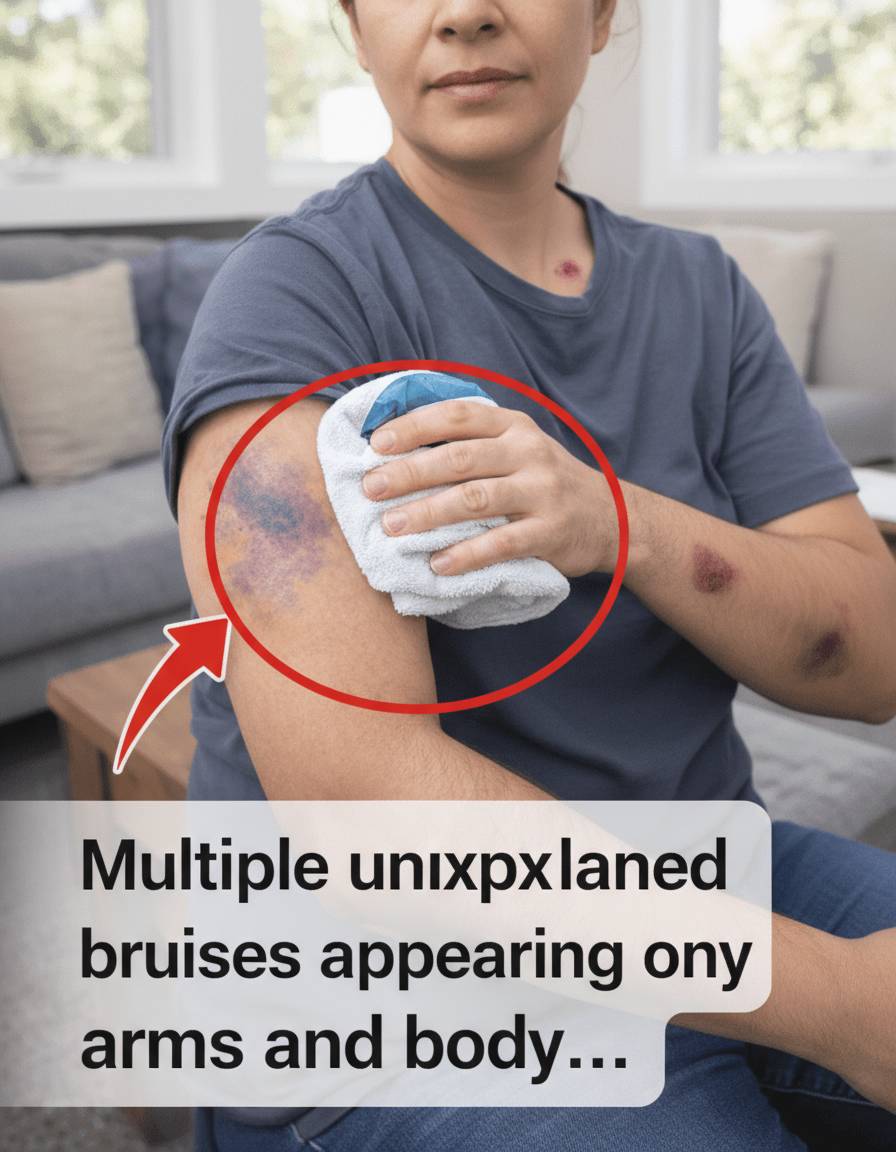
- Capture clear, well-lit photographs of each new bruise (include a coin or ruler for scale)
- Record the date of appearance, precise location, estimated size, color changes over time, and any associated tenderness
- Note if the bruises seem to appear after specific activities (e.g., gardening, reaching for objects)
This systematic approach transforms apprehension into actionable data.
Shield Your Skin from Everyday Impacts
Fragile skin can bruise from seemingly insignificant bumps. Implement these simple protective measures:
- Wear long sleeves during household chores, gardening, or yard work
- Install soft padding or corner guards on sharp furniture edges
- Move deliberately around door frames, cabinets, and vehicle interiors
- Use protective gloves when cleaning or handling rough materials
These minor adjustments can significantly reduce the incidence of new marks.
Gentle Care for Fresh Bruises
When a new bruise emerges, appropriate immediate care can help manage it:
- Apply a cold compress (wrapped in cloth) for 10–20 minutes, several times throughout the first day
- Elevate your arm when resting to help reduce swelling
- Avoid pressing or aggressively rubbing the affected area
After the initial 24 hours, gentle warmth can promote circulation, but ensure it remains mild.
Nourish Your Skin from Within
Supporting overall skin health and vessel integrity begins with your diet and hydration. Prioritize foods rich in:
- Vitamin C — found in citrus fruits, bell peppers, and strawberries (vital for collagen production, strengthening blood vessels)
- Vitamin K — abundant in leafy greens like spinach and kale (essential for normal blood clotting)
- Protein — lean meats, eggs, and beans (aids in tissue repair and regeneration)
- Plenty of water (maintains skin elasticity and overall health)
Additionally, consider limiting alcohol consumption, as it can potentially weaken blood vessels over time.
Everyday Habits for Proactive Skin Health
Beyond targeted nutrition, cultivating mindful daily routines can further bolster your skin’s resilience. Consistent, gentle moisturizing helps maintain skin barrier function, making it less prone to dryness and potential tearing. Always use a broad-spectrum sunscreen when outdoors to mitigate sun damage, a major contributor to skin thinning and vessel fragility. By integrating these habits, you not only support your skin’s overall health but also take an active role in preventing future unexplained bruises, fostering a sense of empowerment while awaiting professional medical guidance.