 By admin
 The liver is a remarkable organ, performing over 500 vital functions for our bodies, from detoxifying blood to aiding digestion. Yet, liver disease often progresses insidiously, with its early warning signs frequently overlooked or misattributed to less serious conditions. Many individuals experience subtle health shifts for months or even years before more overt symptoms like jaundice, severe abdominal swelling, or cognitive impairment become apparent. By this stage, significant hepatic damage may have already occurred.
Recognizing these nuanced indicators early is paramount. Timely detection offers the best opportunity to intervene, potentially slowing progression, reversing initial damage through targeted lifestyle adjustments, medication, and professional medical care. Below, we delve into 12 commonly missed early-to-mid-stage signs of compromised liver health, frequently highlighted in clinical research, patient testimonies, and hepatology guidelines.
1. Persistent, Unrelenting Fatigue
This is arguably the most prevalent initial symptom. Individuals report profound exhaustion, even after 8-10 hours of sleep, or an unusual need for naps despite minimal physical exertion. Why it’s often overlooked: This pervasive tiredness is easily dismissed as a consequence of stress, insufficient sleep, the natural aging process, or simply a demanding lifestyle.
2. Diminished Appetite or Premature Fullness
You may find food less appealing, leading to reduced intake, or experience a sensation of being uncomfortably full after consuming only a small amount. Why it’s often overlooked: These changes are frequently attributed to “getting older,” a lack of hunger, or minor digestive issues.
3. Unexplained, Generalized Itching
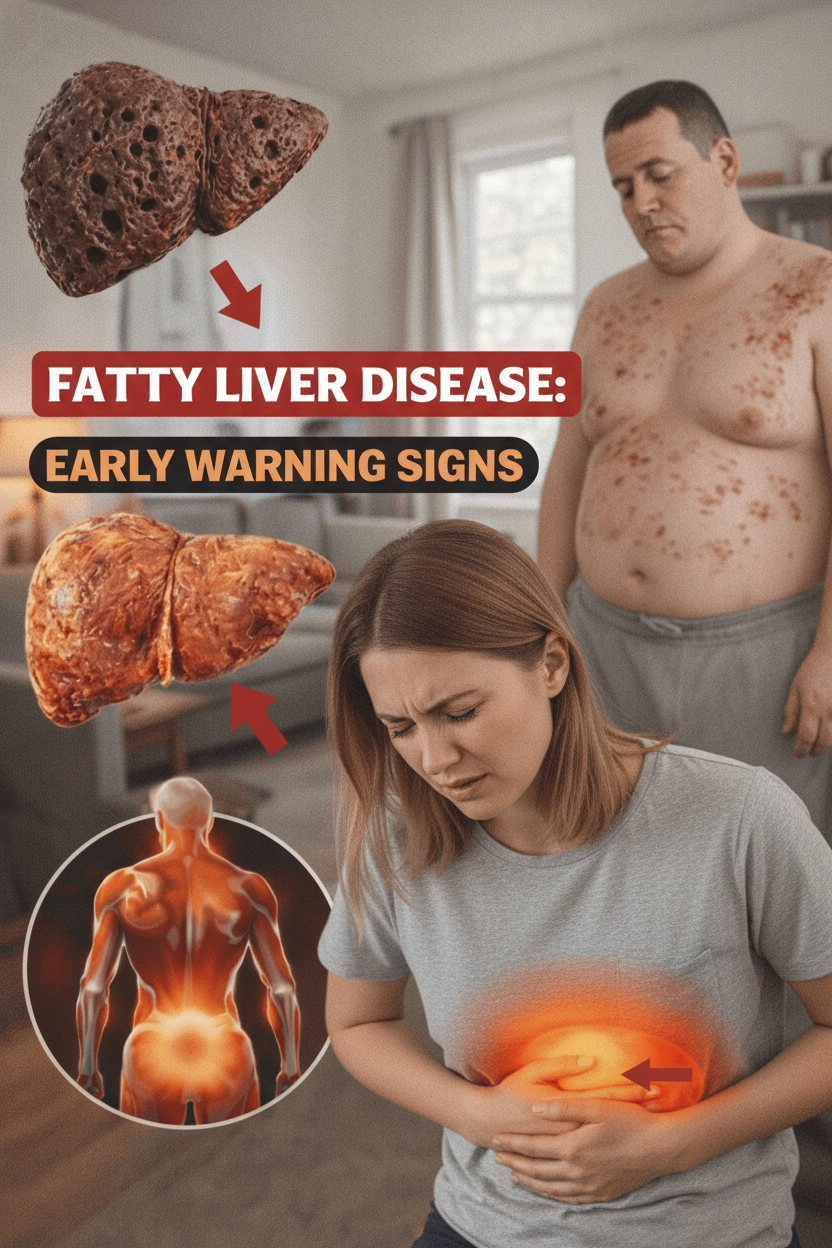
Experiencing intense, persistent itching across the body, particularly on the palms, soles, or back, without any visible rash. This discomfort often intensifies at night. It’s caused by the accumulation of bile salts beneath the skin, a direct result of the liver’s impaired processing ability. Why it’s often overlooked: People might associate it with dry skin, allergies, or insect bites.
4. Spider Angiomas and Reddened Palms
These manifest as small, red, spider-web-like blood vessels (spider nevi) primarily on the chest, face, and upper arms. Additionally, the palms of the hands may appear unusually flushed or red (palmar erythema). Why it’s often overlooked: Many individuals mistakenly believe these marks have always been present or attribute them to sun exposure or general skin sensitivity.
5. Noticeable Changes in Urine and Stool Color
Your urine may darken significantly, resembling strong tea or cola, while stools become unusually pale, grayish, or clay-colored. Why it’s often overlooked: These color shifts tend to occur gradually, making them easy to disregard or rationalize away.
6. Discomfort or Heaviness in the Upper Right Abdomen
A subtle, persistent ache, a feeling of pressure, or a dull heaviness beneath the right rib cage. This sensation is often mild and intermittent. Why it’s often overlooked: It’s commonly dismissed as simple indigestion, gas, muscle strain, or minor stomach upset.
7. Easy Bruising or Prolonged Bleeding
You might notice that even minor bumps result in unusually large bruises, or cuts take considerably longer than normal to stop bleeding. Why it’s often overlooked: Many people fail to connect these bleeding tendencies to the liver, which is responsible for producing essential clotting factors.
8. Swelling in Extremities and Abdomen (Edema & Ascites)
This involves fluid retention, leading to noticeable swelling in the lower legs and ankles (pitting edema) or a distended, bloated appearance of the abdomen (ascites). Why it’s often overlooked in early stages: It begins subtly, and individuals often attribute it to minor weight gain, prolonged standing, or the effects of aging.
9. Cognitive Changes: Brain Fog, Confusion, Personality Shifts
Early signs of hepatic encephalopathy can include difficulty concentrating, memory lapses, increased irritability, and disrupted sleep patterns (such as daytime sleepiness and nighttime wakefulness). Why it’s often overlooked: These cognitive symptoms are frequently blamed on stress, poor sleep, hormonal changes like menopause, or simply “senior moments.”
10. Subtle Yellowing of Skin or Eyes (Mild Jaundice)
A faint yellow tint in the whites of the eyes or the skin, which often develops gradually and is most discernible under natural light. Why it’s often overlooked: Individuals may not notice these subtle changes themselves until family members or close friends point them out.
11. Unexplained Weight Fluctuations
This can manifest as unintentional weight loss (due to poor appetite or malabsorption of nutrients) or a sudden, unexplained weight gain (often a result of fluid retention, particularly ascites). Why it’s often overlooked: Weight changes are often linked to diet, exercise, or other health conditions, masking the underlying liver issue.
12. Frequent Nosebleeds or Bleeding Gums
Minor bleeding episodes, such as recurrent nosebleeds or bleeding gums during brushing, that take longer than usual to cease. This is a direct consequence of the liver’s reduced capacity to produce critical clotting factors. Why it’s often overlooked: These are often considered minor annoyances or attributed to local factors, rather than a systemic issue.
Quick Urgency Guide – When to Seek Medical Attention
Understanding when to act is crucial. Here’s a guide to help you determine the appropriate level of urgency:
Emergency (Seek Immediate Hospital Care)
- Sudden onset of severe jaundice accompanied by confusion or significant bleeding.
- Rapidly worsening abdominal swelling combined with shortness of breath.
- Vomiting blood or passing black, tarry stools (melena).
- Intense pain in the upper right abdomen along with a fever.
Urgent (Consult a Doctor Within the Same or Next Day)
- Any noticeable jaundice, even if mild.
- Persistent, unexplained itching alongside dark urine or pale stools.
- New or worsening confusion, personality changes, or a reversal of sleep patterns.
- Rapidly developing swelling in the abdomen or legs.
Prompt (Schedule a Doctor’s Visit Within 1–2 Weeks)
- Chronic, unexplained fatigue coupled with loss of appetite and discomfort on the right side.
- The appearance of spider angiomas or reddened palms, especially when combined with easy bruising.
- Unexplained changes in weight or persistent digestive issues.
The Bottom Line on Liver Health
Liver disease frequently remains undetected until its advanced stages. However, the 12 symptoms detailed above are recurring indicators observed in individuals subsequently diagnosed with conditions such as fatty liver disease, hepatitis, cirrhosis, or outright liver failure. If you experience multiple of these signs persistently over several weeks or months—especially a combination of fatigue, appetite changes, unexplained itching, and shifts in urine/stool color—it’s imperative not to dismiss them as merely “aging” or everyday ailments. They warrant an urgent medical evaluation.
Early identification of liver stress, often through simple blood tests like ALT, AST, GGT, bilirubin, and albumin levels, significantly improves the prognosis. The sooner issues are identified, the greater the potential to mitigate damage through lifestyle modifications, appropriate medication, and addressing underlying causes. You are the best advocate for your own health. If several of these warning signs resonate with your experience and do not resolve spontaneously, do not wait for the “classic” symptoms of severe jaundice or intense pain to appear. A basic liver panel is a straightforward and inexpensive diagnostic tool that can provide crucial insights into your liver’s health.