 By admin
 Diet and Disease: 5 Foods Science Suggests You Limit to Reduce Cancer Risk
As we navigate our 40s, 50s, and beyond, many of us begin to notice the cumulative effects of years of dietary patterns. Persistent low energy, occasional digestive upset, or a gradual increase in abdominal fat are common signs. These changes often stem from everyday eating habits that can foster chronic inflammation, contribute to insulin resistance, and encourage excess body fat accumulation.
Compelling research from leading health organizations, such as the World Health Organization (WHO) and the American Cancer Society, highlights a critical connection: modifiable lifestyle factors, including our diet, may influence a significant portion—up to 30–50%—of cancer cases. Specific widely consumed foods have been consistently linked to elevated risks for various cancers, including colorectal, breast, and pancreatic types.
The encouraging news is that even minor, evidence-based dietary adjustments can profoundly shift our internal environment, making it less conducive to disease development. In this article, we’ll delve into five key food categories that major health bodies and scientific studies identify as potential risk factors. We’ll explore the underlying biological mechanisms and provide practical, healthier alternatives to support your long-term well-being.
The Silent Influence: How Everyday Eating Shapes Cancer Risk
With age, certain physiological conditions, such as chronically elevated insulin levels, persistent low-grade inflammation, and an accumulation of excess body fat, tend to become more prevalent. Extensive reviews by prominent cancer research organizations confirm that these elements are strongly associated with an increased susceptibility to several forms of cancer.
Many typical meals—think convenient processed sandwiches, deep-fried snacks, or sugary desserts—can trigger rapid spikes in blood sugar and, over time, perpetuate these detrimental conditions. However, by strategically focusing on our body’s insulin response, monitoring inflammation markers, and prioritizing nutrient density, we can forge a clearer path toward enhanced health and reduced risk.
Fundamental Warnings: Top Food Categories to Reconsider
Here are five food categories consistently flagged by authoritative sources like the International Agency for Research on Cancer (IARC) and extensive cohort studies for their potential links to increased cancer risk:
1. Processed Meats – A Confirmed Carcinogen
The International Agency for Research on Cancer (IARC), a division of the World Health Organization (WHO), has classified processed meats—including popular items like bacon, ham, sausages, hot dogs, and various deli slices—as Group 1 carcinogens. This designation means there is sufficient and compelling evidence that these foods cause cancer in humans, particularly colorectal cancer.
Even a modest intake, such as 50 grams per day (equivalent to about two slices of bacon), has been linked in meta-analyses to an 18% higher risk of colorectal cancer. The mechanisms behind this include the formation of harmful nitrosamines from nitrates and nitrites (especially when cooked at high temperatures), the promotion of cellular damage by high salt content, and the contribution of heme iron to inflammation and oxidative stress within the body.
2. Industrial Seed Oils and Ultra-Processed Fats
Commonly found in fried foods, many salad dressings, and a wide array of packaged snacks, industrial seed oils like soybean, corn, and sunflower oils are notably high in omega-6 polyunsaturated fatty acids. Contemporary Western diets often exhibit highly imbalanced omega-6 to omega-3 ratios, frequently exceeding 15:1. Some studies suggest that such skewed ratios are associated with chronic inflammation and potentially elevated risks for breast, prostate, and colon cancers.
While the evidence for direct causation remains complex and debated, an excessive intake of omega-6 fats within an unbalanced dietary context may indeed fuel pro-inflammatory pathways in the body. A helpful tip: always check ingredient labels, as many products marketed as “healthy” can still contain these oils. Opting for alternatives can help restore a healthier fatty acid balance.
3. Added Sugars – Fueling Cellular Growth
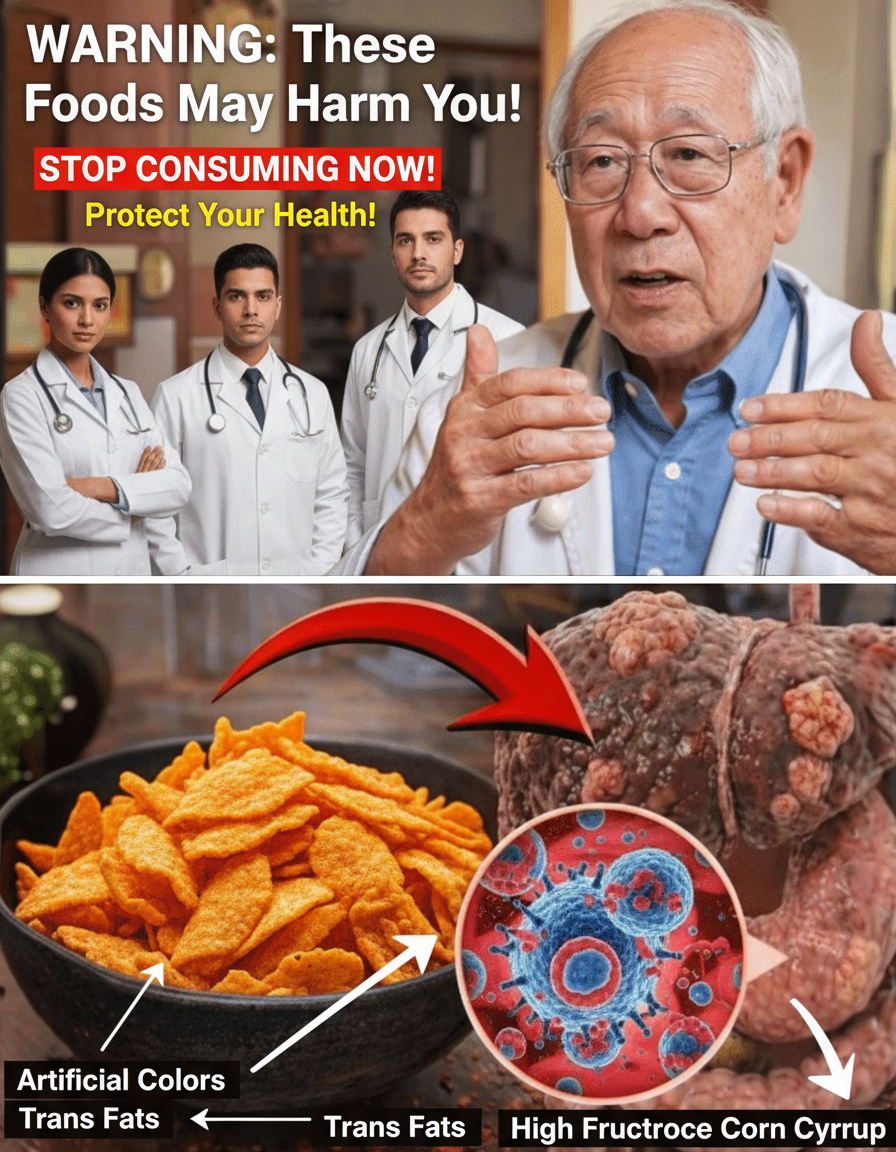
The consumption of sugary beverages, desserts, and even hidden sugars in many everyday products leads to rapid glucose spikes and subsequent surges in insulin. Cancer cells are known to often exhibit a high reliance on glucose for energy (a phenomenon described as the Warburg effect). Moreover, consistently high sugar intake is strongly linked to insulin resistance, a significant factor implicated in higher risks for breast, colorectal, and pancreatic cancers in large-scale studies.
Extensive cohort data consistently demonstrates a correlation between high consumption of added sugars and obesity-related cancers, largely due to the metabolic disruptions these sugars can induce.
4. Refined and High-Glycemic Carbohydrates
Foods such as white bread, pastries, sugary breakfast cereals, and other refined grains undergo processing that strips away beneficial fiber and essential nutrients. Consequently, they cause rapid increases in blood sugar levels. Diets rich in these types of carbohydrates are frequently correlated with obesity and associated cancers, as the consistent demand for rapid insulin responses may foster cellular changes over many years.
Evidence from prospective studies indicates clear links to increased cancer risks, especially when combined with a sedentary lifestyle and insufficient physical activity.
The Cumulative Impact: A “Perfect Storm” Scenario
Consider a typical breakfast featuring bacon, a bowl of sugary cereal, and white toast. This combination represents a potent cocktail that simultaneously amplifies insulin spikes, promotes systemic inflammation, and increases oxidative stress. Furthermore, many ultra-processed convenience foods are ingeniously engineered to bundle together refined carbohydrates, added sugars, processed fats, and often processed meats, creating a synergistic and cumulative negative effect on health.
It’s also crucial to be aware of hidden sugars that often lurk in seemingly innocuous “healthy” items, such as certain yogurts, granola bars, and various sauces, where they can contribute 10–20 grams or more per single serving.
Empowering Strategies & Smarter Nutritional Choices
Making a conscious shift towards a diet rich in whole, unprocessed foods can yield profound benefits for your health and significantly reduce your cancer risk. Here’s how you can begin:
- Whole-Food Proteins: Replace processed meats with lean, high-quality alternatives such as grass-fed beef, wild-caught fish (like salmon or mackerel), organic poultry, pasture-raised eggs, or plant-based proteins like legumes (beans, lentils) and tofu.
- Anti-Inflammatory Fats: Prioritize healthy fats from sources like extra-virgin olive oil, avocados, nuts, and seeds. These provide beneficial monounsaturated and omega-3 fatty acids that support cellular health and reduce inflammation.
- Complex Carbohydrates: Opt for whole grains such as oats, quinoa, brown rice, and 100% whole wheat bread. Incorporate plenty of fiber-rich vegetables and fruits, which provide sustained energy and essential nutrients without the rapid blood sugar spikes.
- Natural Sweeteners (in moderation): Reduce your reliance on added sugars. Instead, enjoy the natural sweetness of fruits, or use small amounts of natural sweeteners like stevia or monk fruit extract if needed.
By consciously choosing nutrient-dense whole foods and minimizing highly processed items, you actively contribute to creating a healthier internal environment, bolstering your body’s natural defenses, and supporting long-term disease prevention.