 By admin
 Revitalize Your Flow: 5 Early Signs of Poor Circulation & Natural Strategies for Healthier Blood Flow
Have you ever experienced that peculiar tingling sensation in your limbs after sitting for too long, or found your feet surprisingly cold even on a warm day? These subtle bodily cues often go unnoticed, yet they can gradually diminish your daily energy, clarity of mind, and overall comfort. While many might dismiss these initial signals as mere signs of aging or stress, recognizing them early can profoundly impact your vitality and well-being. The good news is that enhancing your blood flow doesn’t require drastic measures; simple, natural habits can make a significant difference – and one often-overlooked daily adjustment might just be the key to unlocking better circulation.
Understanding the Everyday Impact of Suboptimal Circulation
Your circulatory system is a complex network, tirelessly working to transport oxygen and vital nutrients to every cell while efficiently removing waste products. When this intricate flow falters, particularly in the extremities like your legs and feet, it can lead to noticeable changes in how your body feels and functions. Medical experts, including those at the Cleveland Clinic, often point out that the lower body is frequently the first to show signs of compromised circulation, largely due to the effects of gravity and its distance from the heart. However, these symptoms rarely manifest dramatically at first; they tend to develop gradually, which is why connecting the dots early can be challenging for many.
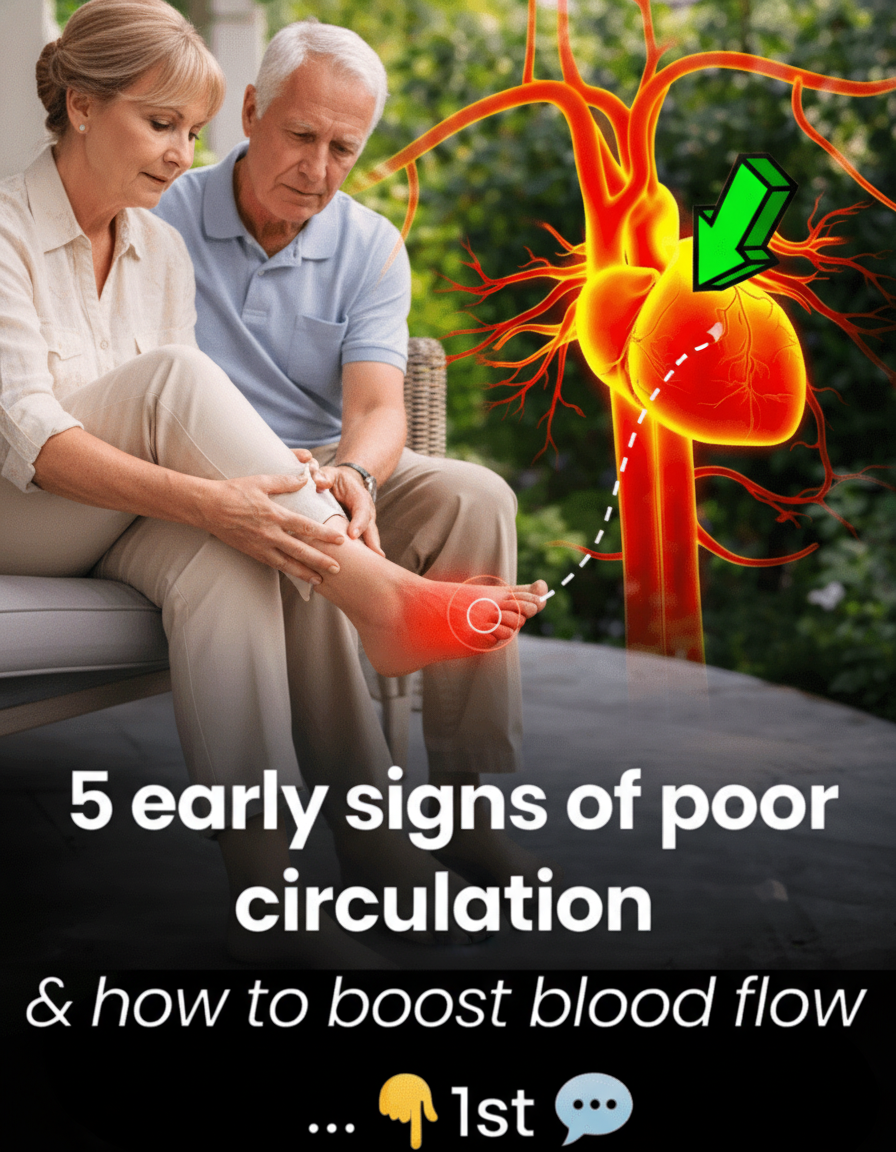
5 Early Indicators of Reduced Blood Flow You Shouldn’t Ignore
Being aware of these subtle clues can give you a significant advantage in proactively supporting your body’s natural ability to circulate blood efficiently.
- Tingling or “Pins and Needles” in Limbs: That familiar numb, prickling, or “pins and needles” sensation, especially when you’re at rest or after maintaining a certain posture (like crossing your legs), is a common early sign. It often occurs when nerves aren’t receiving a consistent and adequate supply of oxygenated blood, leading to temporary discomfort or altered sensation.
- Persistent Cold Hands and Feet: If your fingers and toes frequently feel chilled, even in comfortable room temperatures, it could signal that blood isn’t reaching these peripheral areas as effectively as it should. Research consistently highlights this as one of the most frequently reported symptoms among individuals concerned about their circulation.
- Leg Discomfort or Cramping During Activity: Experiencing aching, cramping, or a feeling of fatigue in your calf muscles after walking relatively short distances, which then subsides with rest, is a classic symptom. While sometimes medically termed as intermittent claudication, many people first encounter it as a mild, recurring discomfort.
- Swelling in Legs, Ankles, or Feet: The accumulation of fluid (known as edema) can arise when your veins struggle to efficiently return blood upwards towards the heart. You might notice your shoes feeling tighter by evening or socks leaving pronounced indentations on your skin.
- Brain Fog, Unexplained Fatigue, or Slow Wound Healing: Diminished blood flow can restrict oxygen delivery to the brain and other tissues, potentially resulting in feelings of mental fogginess, persistent tiredness, or wounds that take an unusually long time to heal. These are subtle but can collectively impact your daily functioning over time.
Beyond these specific signs, it’s important to remember that many circulatory issues are influenced by lifestyle factors. The encouraging news is that even small, consistent changes can empower your body to respond positively and enhance its natural blood flow.
Why Optimizing Circulation is Crucial for Everyday Energy and Comfort
When blood moves freely and robustly throughout your system, the benefits are far-reaching: muscles remain well-oxygenated, skin appears healthier, cognitive focus sharpens, and your overall vitality improves. Impaired blood flow doesn’t just affect your legs; it can diminish your entire sense of well-being. The excellent news is that you don’t need radical overhauls to see improvements. Health experts, drawing on evidence-based practices (like those cited by Healthline and Cleveland Clinic), emphasize that consistent movement, adequate hydration, and thoughtful nutrition are powerful, natural allies in fostering better circulation.
7 Practical Ways to Naturally Support Healthy Blood Circulation Daily
Here are actionable steps you can integrate into your routine, many of which are supported by research for their positive impact on vascular health:
- Incorporate More Movement Throughout Your Day: Regular physical activity is one of the most effective ways to boost circulation. Aim for at least 30 minutes of moderate-intensity exercise, such as brisk walking, swimming, or cycling, on most days of the week. Even short breaks to walk around every hour can prevent blood from pooling in your lower limbs.
- Prioritize Hydration: Blood is primarily composed of water, so dehydration can cause it to thicken and slow its flow. Ensure you drink plenty of fluids – targeting around eight glasses of water daily – and moderate your intake of excessive caffeine or alcohol, which can contribute to dehydration.
- Elevate Your Legs When Resting: Take a few moments several times a day to prop your feet above heart level for 15-20 minutes. This simple technique utilizes gravity to assist the upward return of blood, which can significantly reduce swelling and alleviate pressure on your veins.
- Nourish Your Body with Vessel-Supporting Foods: Focus your diet on options rich in nitrates and antioxidants. These include:
- Leafy green vegetables (spinach, kale)
- Beets
- Berries
- Citrus fruits
- Garlic and onions
According to nutritional studies, these foods help promote the relaxation and healthy function of blood vessels, leading to improved flow.
- Integrate Gentle Stretching or Yoga: Poses like “legs-up-the-wall” (Viparita Karani) or “downward-facing dog” (Adho Mukha Svanasana) are excellent for encouraging blood movement without high impact. Even 10 minutes of gentle stretching can stimulate circulation and flexibility.
- Avoid Prolonged Periods of Sitting or Standing: Whether at work or home, staying in one position for extended durations can impede blood flow, especially to your lower extremities. Make an effort to change positions frequently, take short walks, or perform simple ankle rotations and calf raises every 30-60 minutes.
- Consider Gentle Self-Massage: A light massage, particularly on your legs and feet, can stimulate local blood flow and lymphatic drainage. Using upward strokes towards the heart can be particularly beneficial for encouraging venous return.