 By admin
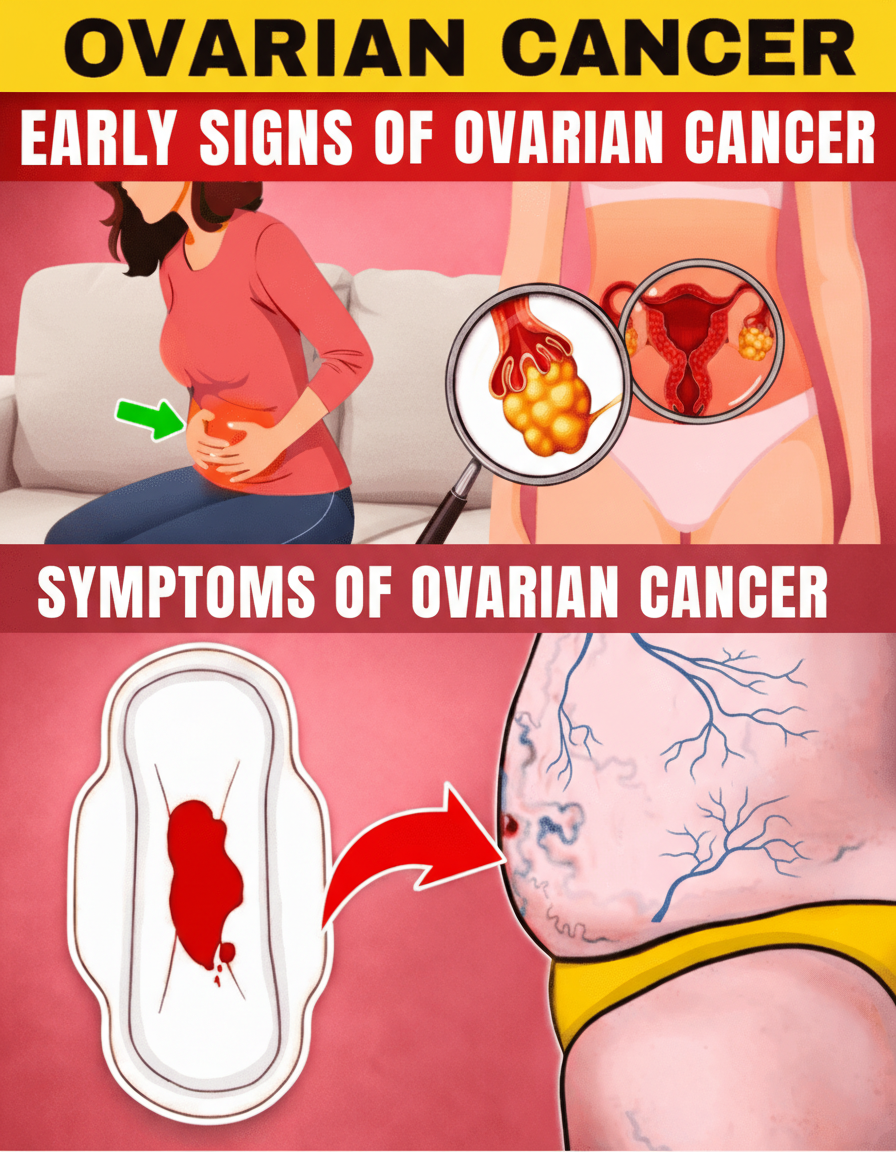
 Many women frequently experience common discomforts such as occasional bloating, persistent fatigue, or mild pelvic pressure, often dismissing them as typical digestive issues, everyday stress, or even natural signs of aging. However, these seemingly innocuous symptoms can, in some cases, be subtle indicators of ovarian cancer. Because these early signs of ovarian cancer often mirror routine health concerns, they frequently go unnoticed, allowing the condition to advance silently. Prompt recognition of these critical ovarian cancer symptoms is vital; it empowers women to seek timely medical evaluation, significantly enhancing the potential for improved treatment outcomes when swift action is taken.
Understanding these symptoms clearly is the first step towards early detection. Let’s delve into the eight most common signs of ovarian cancer, starting with those that are often the least obvious but no less important.
- 8. Persistent Changes in Bowel Habits
Experiencing ongoing constipation, recurrent diarrhea, or a persistent sensation that your bowels haven’t fully emptied can be among the subtle signs of ovarian cancer. While many women attribute these changes to dietary factors, irritable bowel syndrome (IBS), or stress, a growing mass in the pelvic region can exert pressure on the intestines, intensifying these issues. If you observe unexplained and lasting alterations in your bowel patterns over several weeks, it’s a symptom that warrants a conversation with your healthcare provider.
- 7. Increased Frequency or Urgency to Urinate
A sudden and noticeable increase in the need to urinate, or experiencing a strong sense of urgency even when your bladder isn’t completely full, can be quite disruptive. This specific ovarian cancer symptom is frequently misidentified as a common urinary tract infection (UTI). However, in the absence of typical infection indicators like pain or burning, persistent alterations in urinary habits could signal pressure from growths in the vicinity of the bladder, making it a crucial, yet often overlooked, sign of ovarian cancer.
- 6. Ongoing Pelvic or Abdominal Discomfort
A persistent dull ache, a feeling of pressure, or cramping sensations in the lower abdominal or pelvic area can easily be confused with menstrual cramps or ordinary digestive gas. Many women tend to disregard such discomfort, attributing it to normal hormonal shifts. Nevertheless, when this sensation becomes a new and recurring pattern that doesn’t subside, it elevates its importance as one of the significant ovarian cancer signs demanding professional evaluation.
- 5. Feeling Full Quickly or Loss of Appetite
Experiencing early satiety – feeling uncomfortably full after consuming only a small amount of food – can be disheartening and may contribute to unintentional weight fluctuations. This rapid onset of fullness is a commonly reported symptom of ovarian cancer. It often results from fluid accumulation (ascites) or direct pressure on the stomach from an ovarian mass, which can make mealtimes less enjoyable and is frequently one of the initial ovarian cancer symptoms women notice.
- 4. Persistent Bloating or Abdominal Swelling
A continuous sensation of abdominal fullness or swelling, often described as clothes feeling unexpectedly tight even without any weight gain, is a widespread concern among women. Persistent bloating is, in fact, one of the most prevalent and recognizable signs of ovarian cancer. It can lead to a noticeable puffy feeling or a visibly distended abdomen, making it a key indicator to monitor closely.
- 3. Unexplained and Persistent Fatigue
Profound exhaustion that lingers regardless of how much rest you get can significantly deplete your energy reserves, impacting daily life. This deep, unremitting tiredness is a common, though non-specific, symptom of ovarian cancer. It frequently arises from the body’s systemic response to cancerous cells or associated conditions like anemia. If this level of fatigue becomes your persistent ‘new normal,’ it should be considered a potential sign of ovarian cancer.
- 2. Lower Back Pain That Doesn’t Go Away
A new or worsening ache in the lower back that persists despite typical remedies like stretching, massage, or changes in posture can be a cause for concern. While often attributed to musculoskeletal issues or aging, ovarian tumors can press on adjacent nerves and structures, causing referred pain that manifests in the lower back. This makes it an indirect, yet important, symptom of ovarian cancer that some women experience.
- 1. Increased Abdominal Girth or General Abdominal Discomfort
An expanding waistline that occurs independently of dietary changes or weight gain, often coupled with a persistent sensation of fullness or pressure in the abdomen, frequently ranks as one of the most significant and earliest noticeable indicators. Visible abdominal swelling or a continuous feeling of unease within the belly area are potent signs of ovarian cancer that often compel women to finally consult a medical professional.
When to Seek Medical Advice for Ovarian Cancer Symptoms
It’s crucial to remember that while these symptoms are associated with ovarian cancer, they are far more commonly caused by benign conditions such as uterine fibroids, endometriosis, or routine digestive problems. Ovarian cancer, thankfully, remains a relatively rare diagnosis. The critical distinction lies in the persistence and pattern of these symptoms.
You should consider seeking medical advice if these symptoms:
- Are new to you and not typical for your body.
- Persist for more than a few weeks without improvement.
- Occur frequently, specifically more than 12 times within a month.
- Appear in combination or cluster, rather than as isolated incidents.
Leading health organizations consistently highlight that women who proactively recognize these persistent patterns and seek prompt medical evaluation significantly increase their chances for a wider range of effective management and treatment options. Early detection is paramount for improving outcomes in ovarian cancer.