 By admin
Why Do Hives Suddenly Appear? Uncovering Unexpected Triggers of Itchy Skin Welts
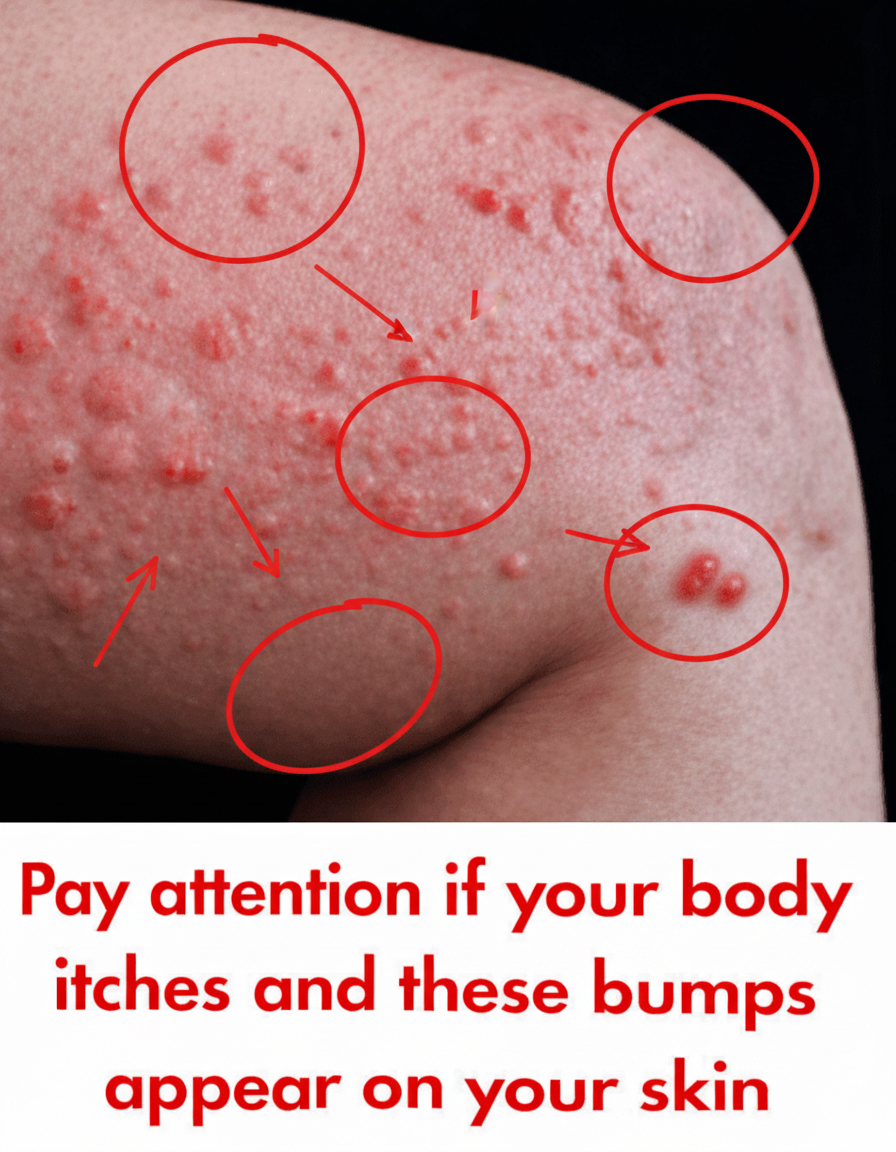
Picture this: you wake up to an unwelcome surprise – red, intensely itchy welts sprawling across your skin. These elevated patches, commonly known as hives or urticaria, can sting, burn, and make even the softest fabric feel like sandpaper. These vexing skin lesions can swell dramatically, migrate across your body, and leave you scratching relentlessly, severely disrupting your sleep and daily routines.
The sheer frustration of a sudden hives outbreak, seemingly without cause, can transform ordinary moments into constant discomfort and self-consciousness. Yet, by understanding the often-hidden catalysts behind these itchy eruptions, you can gain greater control over them. Surprisingly, there’s one significant factor many individuals completely overlook that could be intensifying their flare-ups more than they realize. 😩
What Exactly Are Hives and What Happens Beneath Your Skin?
At their core, hives are your body’s immediate distress signal when it encounters an irritant. This reaction is orchestrated by specialized immune cells in your skin called mast cells. Upon activation, these mast cells release histamine and other chemicals, leading to a cascade of events: blood vessels dilate, and fluid leaks into the surrounding dermal tissues. This process manifests as those characteristic red, swollen welts we identify as hives – often profoundly itchy and notoriously unpredictable.
The intense discomfort from a hives outbreak can be utterly overwhelming, making concentration difficult and social interactions awkward. Research consistently shows that this physiological response remains remarkably similar across various triggers, underscoring why identifying specific patterns is paramount for effective management. However, it’s crucial to recognize that not all cases of urticaria behave in the same manner.
🩺 Acute vs. Chronic Hives: Understanding the Key Distinction
Acute hives are generally short-lived, typically resolving within six weeks. They often have a clear, identifiable cause, appearing suddenly but usually fading quickly once the trigger is removed. In contrast, chronic hives persist for longer than six weeks and can recur for months or even years. In a significant number of chronic cases, no obvious external cause is ever found – a condition medical experts term chronic spontaneous urticaria.
Studies, including those conducted at reputable institutions like the Mayo Clinic, suggest that autoimmune factors may contribute to up to half of all chronic urticaria cases. Here, the immune system mistakenly keeps mast cells on high alert, perpetuating the cycle of outbreaks. Living with chronic hives adds immense ongoing stress and uncertainty, as flare-ups often seem random and relentless. Nevertheless, diligently tracking potential patterns can still provide valuable clues, even for those battling chronic forms of hives.
🍤 Common Triggers for Hives Most People Recognize
Many episodes of urticaria originate from familiar sources that are relatively straightforward to identify and avoid:
- Specific foods such as shellfish, nuts, eggs, or dairy products
- Certain medications, particularly NSAIDs (non-steroidal anti-inflammatory drugs) or antibiotics
- Insect bites or stings
- Viral infections, including common colds or influenza
These classic triggers frequently lead to acute hives that typically subside once exposure ends. According to health resources like WebMD, food reactions and medications are among the leading causes of short-term hives outbreaks. Yet, for numerous sufferers, simply avoiding these obvious culprits doesn’t prevent recurrent hives. This is where lesser-known, unexpected triggers come into play.
😲 Surprising Triggers for Hives You Might Be Overlooking
The truly surprising aspect of hives is how everyday physical and emotional factors can ignite outbreaks without any direct allergic involvement. Here are some common yet frequently missed hives triggers:
- Stress and anxiety: Emotional tension can sensitize mast cells, amplifying histamine release and intensifying hives.
- Pressure on the skin: Tight clothing, backpack straps, or even prolonged sitting on a hard surface can provoke welts (known as pressure urticaria).
- Temperature changes: Extremes of heat or cold, excessive sweating, or hot showers can trigger temperature-induced hives.
- Friction or scratching: This condition, called dermatographism, causes raised welts to appear within minutes of light stroking.
- Sun exposure: Intense sunlight can provoke solar urticaria in sensitive individuals.
- Exercise: Physical exertion sometimes triggers cholinergic urticaria, often associated with sweating.
The American Academy of Dermatology highlights that physical stimuli like these account for a significant portion of inducible hives cases. Dermatographism alone affects 2-5% of the population and is one of the most under-recognized forms of urticaria. Furthermore, in rare instances, even water contact (aquagenic urticaria) or vibrations can trigger specific types of hives.
🧘 The Hidden Role Stress Plays in Fueling Hives
While stress rarely causes hives entirely on its own, it acts as an incredibly powerful amplifier. When you’re feeling anxious, overwhelmed, or under significant pressure, your body releases a cascade of stress hormones and chemicals. These substances make your mast cells far more reactive to other potential triggers, both internal and external. Research consistently links elevated stress levels to an increased frequency and severity of hives outbreaks.
For those living with chronic hives, the daily pressures of life can perpetuate a relentless cycle, transforming occasional flares into ongoing battles. The emotional toll of constant stress only compounds the physical itching and discomfort, leaving individuals feeling trapped in their own skin during stressful periods. Integrating simple relaxation practices into your routine can be a crucial step towards breaking this loop and potentially reducing the incidence and intensity of hives episodes.
🩹 Practical Steps to Calm Hives and Regain Control
Managing hives effectively often involves a multi-pronged approach. Here are some practical steps you can take to soothe symptoms and reduce future outbreaks:
- Identify and Avoid Triggers: Keep a detailed diary of when hives appear, what you ate, medications taken, activities, and stress levels. This can help pinpoint your specific triggers.
- Over-the-Counter Relief: Non-drowsy antihistamines (like loratadine or cetirizine) can help block histamine and reduce itching and swelling.
- Soothe Your Skin: Apply cool compresses, take lukewarm baths with colloidal oatmeal, or use anti-itch creams containing menthol or pramoxine. Avoid hot showers, which can worsen itching.
- Wear Loose Clothing: Opt for loose-fitting, breathable fabrics like cotton to minimize friction and pressure on your skin.
- Manage Stress: Incorporate stress-reduction techniques into your daily life, such as meditation, yoga, deep breathing exercises, or spending time in nature.
- Consult a Healthcare Professional: If hives are severe, persistent, or accompanied by symptoms like difficulty breathing or swelling of the face/throat (which could indicate anaphylaxis), seek immediate medical attention. A dermatologist or allergist can offer diagnosis, prescription medications, and long-term management strategies.
Understanding the full spectrum of hives triggers – from the obvious to the unexpected – is the first step toward regaining comfort and control over your skin. By paying close attention to your body’s signals and making informed lifestyle adjustments, you can significantly reduce the impact of these frustrating skin welts.