 By admin
 Widely celebrated for its distinctive flavor and numerous health benefits, garlic is a culinary cornerstone in kitchens worldwide. However, while often revered, this potent ingredient can occasionally trigger unexpected adverse reactions that many consumers are unaware of. You might regularly incorporate garlic into your meals without a second thought, but excessive consumption can potentially lead to digestive upset or other unwelcome issues that disrupt your daily comfort. The good news is that by understanding these potential pitfalls, you can continue to enjoy garlic safely. Join us as we explore the lesser-known aspects of garlic consumption, including practical strategies to minimize these effects.
Understanding How Garlic Affects Your Body
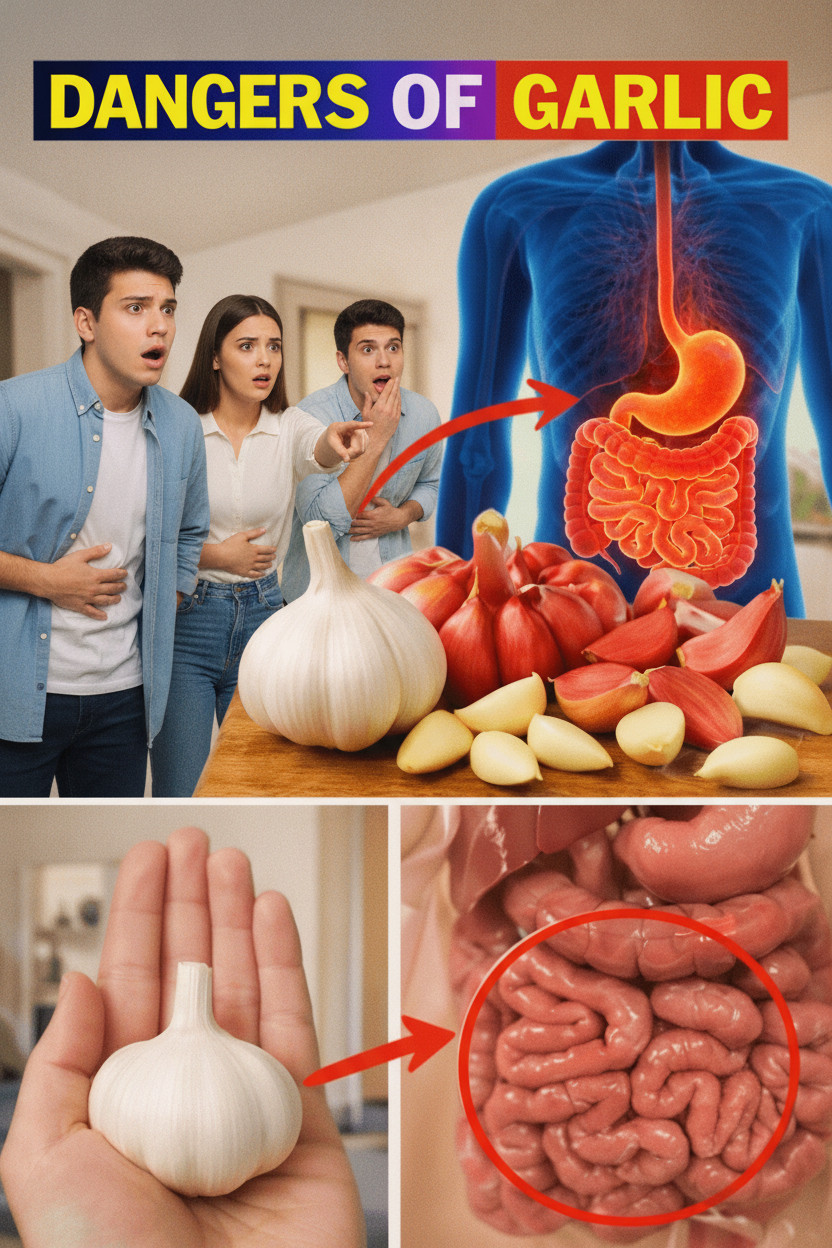
Understanding how garlic interacts with your body is key to managing its potential side effects. The distinct aroma and robust flavor of garlic come from potent organosulfur compounds, notably allicin. While beneficial in many respects, these compounds can interact with your gastrointestinal system in ways that may not always be comfortable. Specifically, consuming large quantities of garlic, particularly in its raw form, can irritate the delicate lining of the stomach and intestines. This irritation often manifests as uncomfortable bloating, excessive gas, or a general feeling of unease after meals. Research indicates that for sensitive individuals, these sulfur compounds can also stimulate an increase in stomach acid production, further contributing to digestive distress. Ultimately, viewing garlic as a powerful ingredient that requires mindful consumption is a good approach.
Common Digestive Issues Linked to Garlic Consumption
Among the most frequently reported garlic side effects are various digestive complaints. One prevalent issue is heartburn or acid reflux. If you’ve ever experienced that familiar burning sensation in your chest after a meal rich in garlic, you’re certainly not alone. The truth is, raw garlic, especially when consumed on an empty stomach, can significantly exacerbate these symptoms, potentially leading to more severe and persistent discomfort over time. Beyond this, many individuals report indigestion following garlic consumption. For some, garlic might slow down the digestive process, resulting in uncomfortable bloating or even mild abdominal cramps. Furthermore, excessive intake could contribute to diarrhea or loose stools, particularly if your gut is unaccustomed to such potency. Studies consistently show that these gastrointestinal effects are often dose-dependent, meaning smaller amounts are generally well-tolerated.
Garlic and Its Impact on Blood Health
Another critical area where garlic can have a significant impact is blood health. Garlic possesses natural blood-thinning properties, which, while beneficial in certain contexts, can pose risks in others. For instance, if you are currently taking anticoagulant medications like warfarin, combining them with high doses of garlic could markedly increase your risk of bleeding. This is a serious interaction that should not be overlooked. Symptoms such as unexplained nosebleeds or easy bruising could signal such an interaction. Moreover, it’s crucial to understand that even without prescribed medication, a high intake of garlic might interfere with the blood clotting process, especially before or during surgical procedures. Always have an open discussion with your doctor or healthcare provider if you have any concerns regarding garlic’s effect on your blood or if you are scheduled for surgery.
Potential Allergic Reactions and Skin Issues
It’s important to recognize that not everyone reacts to garlic in the same manner. Some individuals may experience genuine allergic reactions to garlic, presenting as skin rashes or generalized itching. Contact dermatitis is a common issue among those who frequently handle raw garlic, such as professional chefs, leading to skin irritation or blisters. But these are just the initial manifestations. In rare instances, exposure to garlic might trigger respiratory problems like rhinitis (nasal inflammation). If you observe symptoms such as hives, swelling, or difficulty breathing after consuming or handling garlic, it is prudent to stop use immediately and seek medical advice. Research indicates that these adverse reactions are often attributable to specific proteins found within the garlic bulb.
How Garlic Might Interact with Medications
Garlic’s potent compounds can also influence how your body metabolizes and responds to certain pharmaceuticals. For example, if you are on medication for diabetes, high garlic intake might cause your blood sugar levels to drop too significantly, leading to symptoms like dizziness or unexpected fatigue. Similarly, when combined with blood pressure pills, garlic’s effects could be amplified, potentially resulting in dangerously low blood pressure. Intriguingly, research from reputable sources consistently highlights the necessity for careful monitoring when garlic is consumed alongside various medications. It is always vital to inform your healthcare provider about your regular garlic intake, including supplements, to prevent potential adverse drug interactions.
Breath and Body Odor: The Social Side Effect
Let’s address the elephant in the room: garlic breath. This infamous social side effect is caused by the sulfur compounds that linger not only in your mouth but also in your lungs. Beyond bad breath, these compounds can eventually exit through your pores, leading to noticeable body odor. However, there’s no need to despair. Simple habits can effectively mitigate these effects. Chewing on fresh parsley or using a high-quality mouthwash frequently can often do the trick. Studies confirm that while often embarrassing, this is a common and generally harmless side effect of garlic consumption.
Who Should Be Cautious with Garlic?
Certain demographic groups and individuals with specific health conditions should exercise greater caution or limit their garlic intake. Pregnant women, for instance, may experience heartburn more intensely due to hormonal changes, and garlic can exacerbate this. Those diagnosed with Irritable Bowel Syndrome (IBS) or individuals with generally sensitive stomachs should introduce garlic in very small amounts and monitor their reactions closely. Young children might find its strong flavor and potential for digestive upset too overwhelming. Furthermore, for individuals with pre-existing bleeding disorders, moderation is absolutely key due to garlic’s blood-thinning properties. Professional research consistently advises consulting healthcare professionals for personalized dietary advice, especially concerning garlic intolerance or specific health concerns.
Practical Tips to Enjoy Garlic Safely
Want to continue enjoying garlic’s flavor and benefits without the associated discomforts? Here are some actionable strategies to incorporate garlic safely into your diet:
- Cook Your Garlic: Opt for cooked garlic instead of raw; heat significantly reduces some of the irritating compounds responsible for digestive issues.
- Mind Your Portions: Limit your intake to 1-2 cloves per day to avoid an overload on your digestive system and mitigate potential side effects.
- Pair with Other Foods: Always consume garlic with other foods to buffer its effects on the stomach lining. Avoid eating large amounts on an empty stomach.
- Listen to Your Body: Pay close attention to how your body responds to garlic and adjust your consumption accordingly. If you notice discomfort, reduce your intake.
- Choose Reputable Supplements: If you opt for garlic supplements, select brands that are third-party tested and always adhere to the recommended dosages.